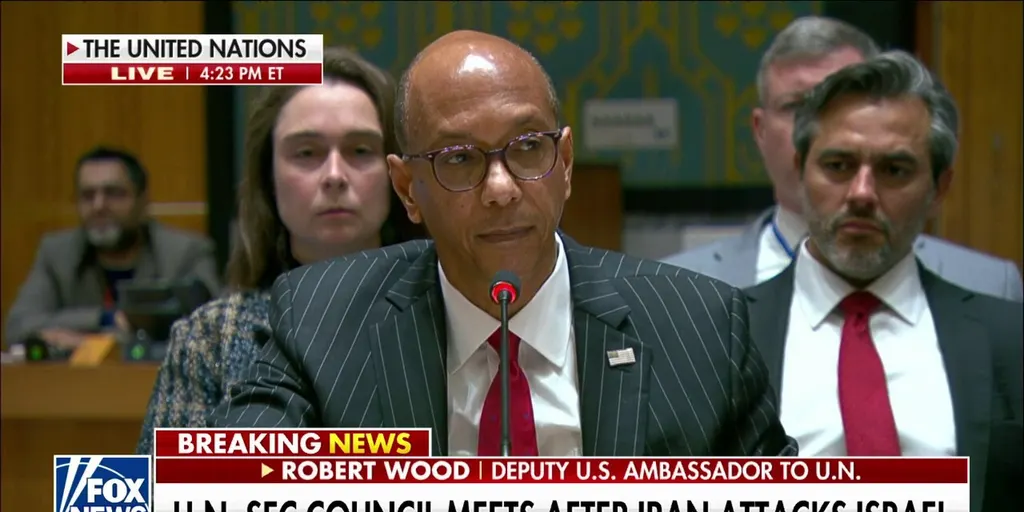
Ahmed Aboul Gheit, the Secretary-General of the Arab League, warned that Iran's repeated aggressions represent a serious threat to regional stability during his speech at the United Nations Security Council. Aboul Gheit emphasized the need for a decisive international role to confront these challenges, pointing out that Iran's actions negatively affect regional security and peace.
He noted that Iranian activities, including support for armed groups in the region, have exacerbated current crises, complicating the security situation in countries such as Iraq, Syria, and Lebanon. He urged the international community to take effective steps to curb these activities that threaten the stability of Arab states.
Details of the Event
Aboul Gheit's statements came at a sensitive time, as tensions in the region escalate due to increasing Iranian interventions. He indicated that these interventions are not limited to supporting armed groups but also include the development of ballistic missile programs, raising concerns among neighboring countries.
In his speech, Aboul Gheit also addressed the humanitarian dimensions of the crisis, noting that the continuation of these aggressions directly impacts civilians' lives and increases their suffering. He called for the necessity of providing humanitarian support to those affected by these crises.
Background & Context
Historically, relations between Iran and Arab states have been tense, with the region witnessing numerous conflicts in which Iran played a role. Since 2011, crises in the Middle East have escalated, leading to Iranian interventions in several countries, which have provoked strong reactions from Arab nations.
Iran is considered one of the major regional powers and has significant influence over events in Iraq, Syria, and Lebanon. These activities have increased divisions among Arab states, making it difficult to achieve stability in the region.
Impact & Consequences
Aboul Gheit's statements underscore the importance of coordination among Arab states to confront the challenges posed by Iran. Iranian interventions could exacerbate current crises, necessitating a collective response from Arab countries and the international community.
Moreover, the escalation of tensions could impact the regional economy, potentially leading to increased oil prices and threatening trade movement. This, in turn, affects economic development in Arab states, making it essential to take urgent steps to address these challenges.
Regional Significance
Aboul Gheit's remarks reflect the growing concern among Arab states regarding Iran's actions. Regional security is closely linked to stability in Arab countries, and any escalation in tensions could have negative repercussions for all nations in the region.
In light of these circumstances, it is crucial for Arab states to adopt effective strategies for cooperation and coordination to address security challenges. There must also be international support to enhance security and peace in the region.
In conclusion, Aboul Gheit's statements represent an urgent call for the international community to intervene effectively to confront Iranian threats and work towards achieving stability in the Arab region.