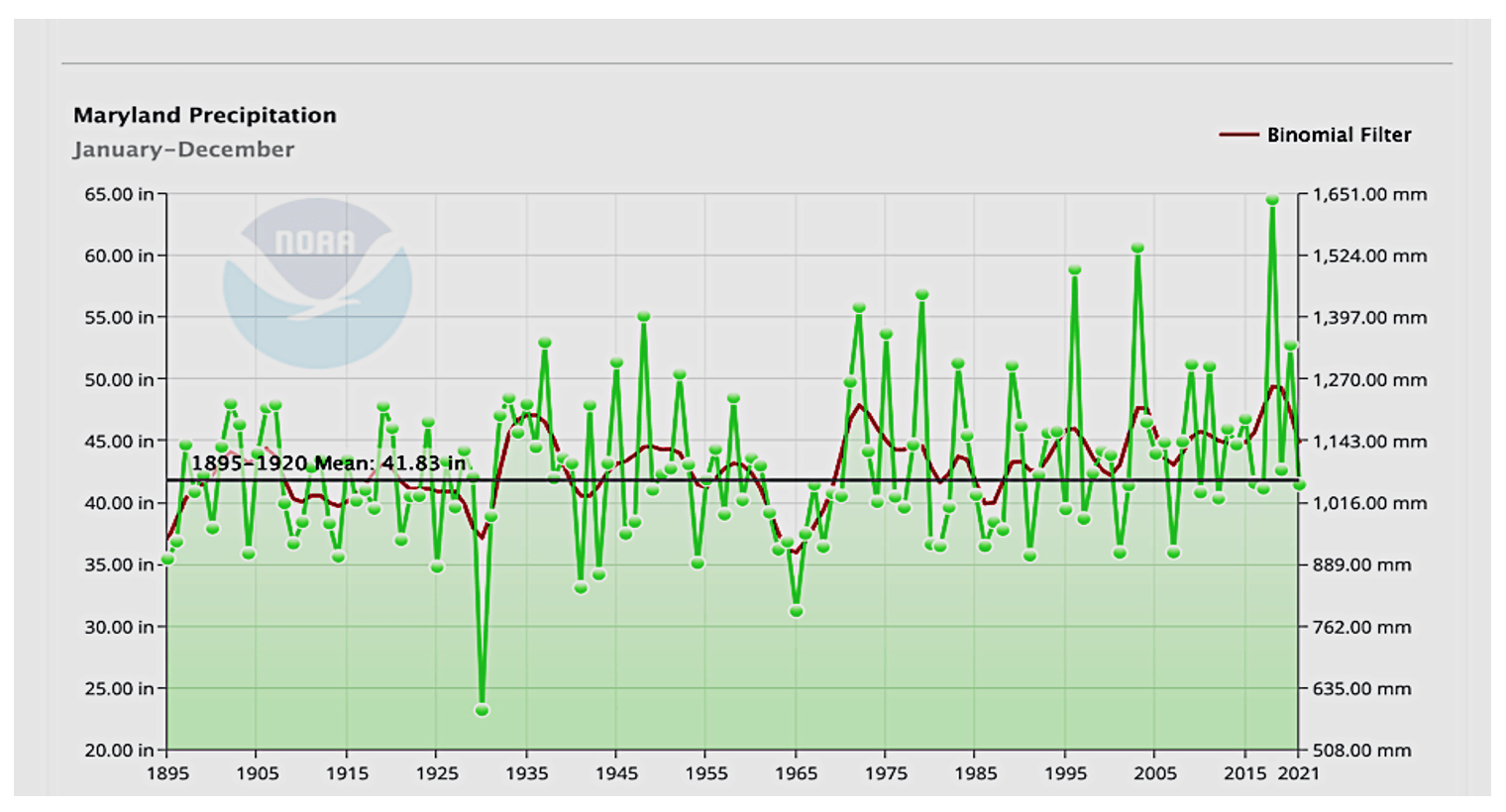
Maryland is experiencing a notable escalation in the impacts of climate change, which is causing concern among residents and local authorities. Recent reports have shown that the state is facing rising temperatures and an increase in severe weather phenomena, such as floods and storms, prompting the need for urgent measures to address these challenges.
According to climate studies, Maryland has seen an increase in temperatures by more than 1.5 degrees Celsius over the past decades. Experts have indicated that this rise directly affects the daily lives of residents, contributing to worsening public health issues and impacting agriculture and water resources.
Details of the Event
In recent years, Maryland has witnessed a recurrence of severe weather phenomena, including sudden floods and intense storms. Reports have shown that these phenomena have become more common, threatening infrastructure and increasing maintenance and repair costs. Officials have also noted that these climate changes are affecting biodiversity in the region, putting local species at risk.
The local government is seeking to take effective measures to tackle these challenges, including improving sewage systems and enhancing sustainability in agriculture. Additional budgets have been allocated for infrastructure projects aimed at reducing flood impacts and improving community resilience to climate changes.
Background & Context
Climate change is one of the most pressing challenges facing the world today, and studies have shown that coastal areas, such as Maryland, are the most vulnerable to negative impacts. Historically, Maryland has relied on agriculture and fishing as primary sources of livelihood, but climate changes threaten these traditional activities.
In recent years, the United States has seen a general increase in awareness regarding climate issues, with numerous campaigns and initiatives organized to reduce carbon emissions and promote renewable energy. However, challenges remain, requiring cooperation between local and federal governments and civil society.
Impact & Consequences
The impacts of climate change in Maryland affect various aspects of life, including the economy and public health. Studies have shown that rising temperatures increase cases of heat-related illnesses, such as heat strokes and dehydration. Additionally, recurring floods affect properties and raise insurance costs.
Moreover, climate change threatens food security in the region, impacting crop production and increasing agricultural costs. Consequently, these challenges require a swift and effective response from all stakeholders involved.
Regional Significance
Climate change issues are global concerns that affect all countries, including Arab nations. Many Arab countries face similar challenges, such as rising temperatures and water scarcity. Therefore, the experiences and lessons learned from Maryland can be beneficial for Arab countries in addressing these challenges.
In conclusion, climate change requires a collective response from all nations, and Maryland should serve as a model for how to address this issue. Cooperation between governments and local communities can contribute to achieving positive outcomes in the face of climate change.