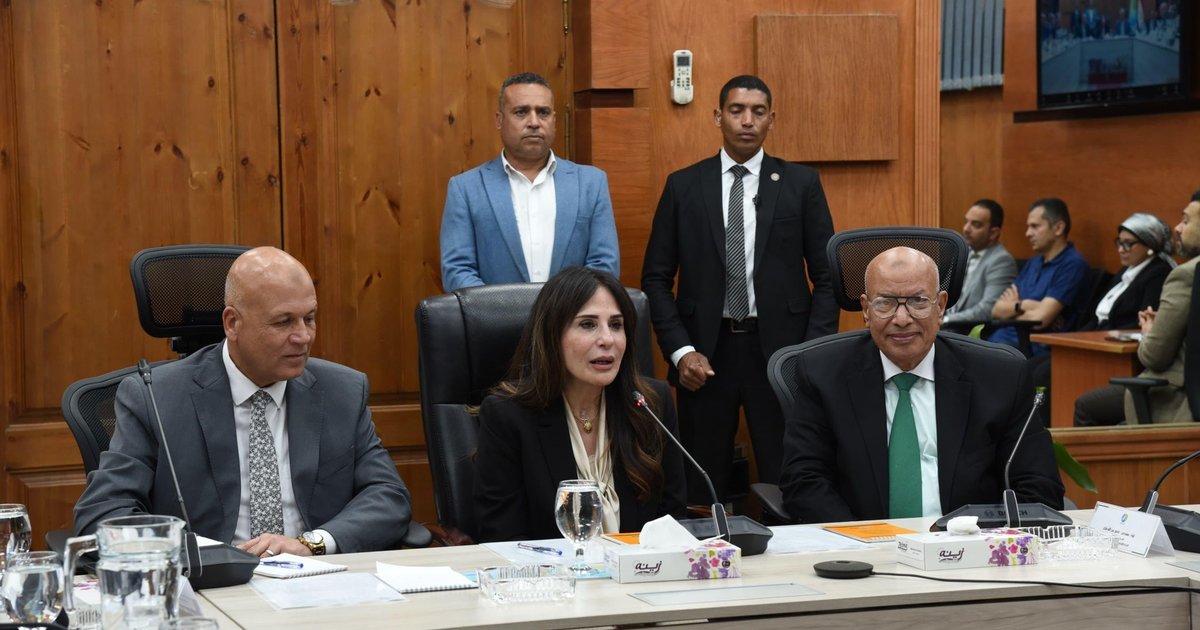
Engineer Randa El-Manshawi, Minister of Housing, Utilities, and Urban Communities, chaired the meeting of the Supreme Coordinating Committee for Drinking Water and Sanitation Companies at the headquarters of the Holding Company, attended by ministry leaders, the holding company, and heads of affiliated companies. During the meeting, the minister stressed the importance of completing projects under the presidential initiative 'Decent Life' within the specified timelines, with full adherence to schedules.
She emphasized the necessity of accelerating execution rates and ensuring the immediate handover of projects in preparation for their operational launch, benefiting citizens. Additionally, she directed preparations for the second phase of the initiative by developing studies, engineering drawings, and coordinating with relevant authorities.
Event Details
The minister pointed out the importance of efficiently implementing the investment plan to ensure optimal service returns. She also highlighted the need to enhance operational and maintenance efficiency at stations, reduce water loss, and increase collection rates to ensure service sustainability. She explained that expanding partnerships with the private sector is vital, especially in desalination and sanitation projects, to support sector development and improve service levels.
The minister praised the efforts of the holding company and its teams, expressing confidence in their ability to manage this vital facility efficiently and achieve the state's objectives in the water and sanitation sector.
Background & Context
These statements come at a time when Egypt is witnessing increased efforts to improve infrastructure and provide water and sanitation services to citizens. The presidential initiative 'Decent Life' aims to enhance living standards in villages and remote areas and is considered one of the most prominent national projects receiving significant government support.
The Egyptian government seeks to achieve sustainable development goals by providing essential services such as clean water and sanitation, reflecting its commitment to improving citizens' quality of life.
Impact & Consequences
Accelerating the implementation of 'Decent Life' projects will lead to improved basic services in many areas, contributing to raising living standards and enhancing community stability. Furthermore, expanding partnerships with the private sector may open new investment horizons and improve the efficiency of services provided.
These efforts are expected to reduce water loss and improve collection rates, contributing to service sustainability and enhancing the government's ability to meet citizens' needs in the future.
Regional Significance
Egypt's experience in implementing 'Decent Life' projects serves as a model in the Arab region, where many countries face similar challenges in providing water and sanitation services. This initiative can contribute to enhancing regional cooperation and exchanging experiences among Arab countries in sustainable development.
In conclusion, the success of this initiative will strengthen the Egyptian government's capacity to achieve its developmental goals and reflect its commitment to improving citizens' quality of life, potentially leading to positive impacts on social and economic stability in the country.