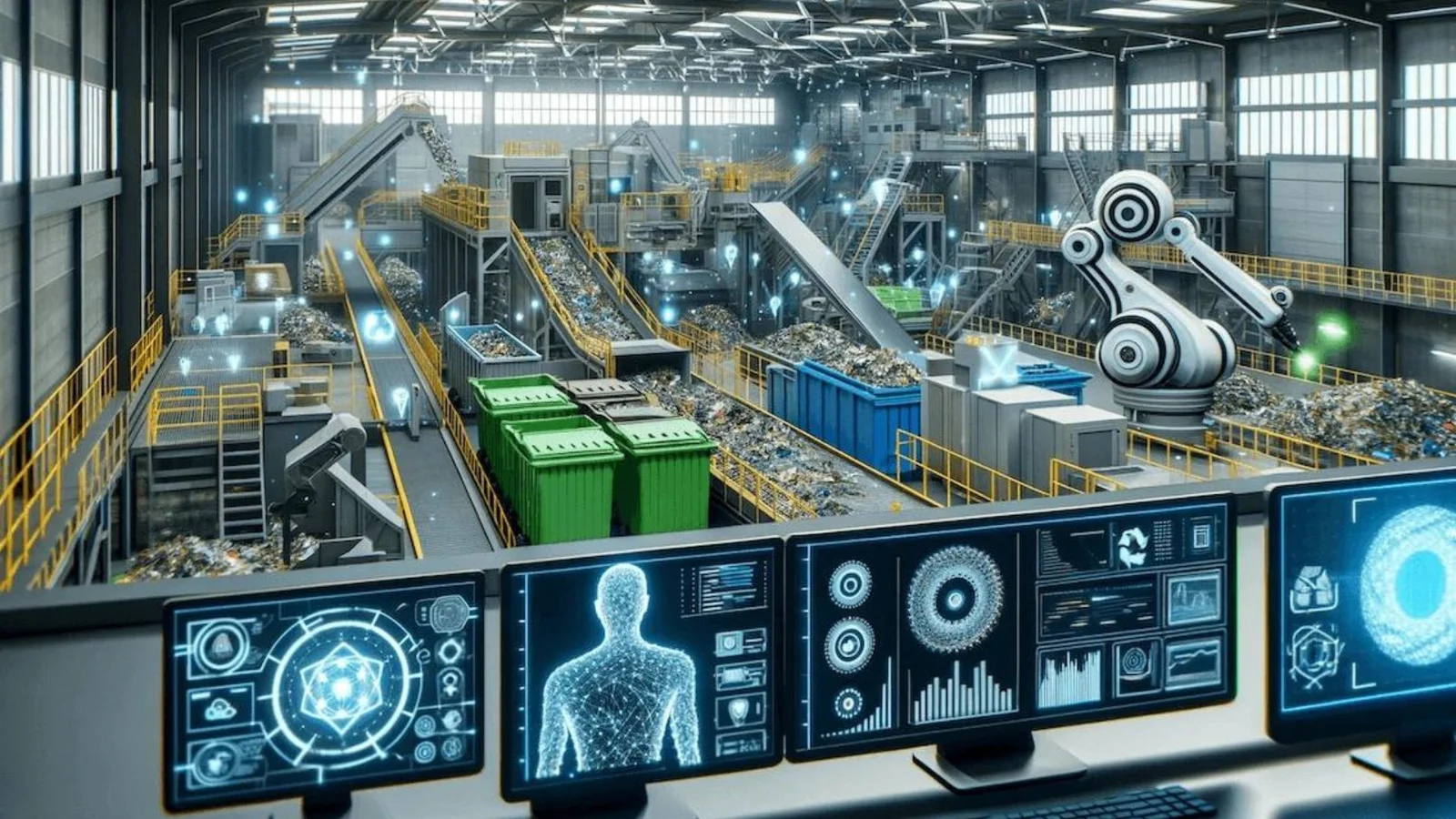
The head of Jakarta's Environmental Committee, Yuke Yuriki, highlighted the importance of accelerating the use of modern technologies such as intermediate processing facilities and waste-derived fuel as part of efforts to tackle the escalating waste crisis in the Indonesian capital. This statement comes at a time when Jakarta is facing significant challenges related to waste management, negatively impacting the environment and the health of its residents.
Yuke Yuriki pointed out that utilizing these technologies could significantly improve the city's waste management system, as waste volumes continue to rise, necessitating innovative and effective solutions. She stressed that delaying the implementation of these technologies would exacerbate the problem, calling for urgent action.
Event Details
Jakarta is one of the largest cities in Southeast Asia, with a population exceeding 10 million people. With the growing population and rapid urbanization, waste management issues have become increasingly complex. According to reports, approximately 7.5 million tons of waste are produced annually in the city, requiring effective strategies to manage it.
In a related context, data from Jakarta's Central Statistics Office showed a notable increase in public transport users in February 2026, reflecting improvements in the public transport system; however, the biggest challenge remains how to handle the waste generated from this growth.
Background & Context
Historically, Jakarta has faced multiple environmental issues, including air and water pollution, alongside the waste crisis. The local government has attempted to implement several strategies to improve the situation, but challenges persist. In recent years, there has been a focus on using technology as a primary solution to waste management problems.
It is worth noting that many major cities around the world face similar challenges, striving to enhance their waste management systems through technological innovation. Some cities have successfully navigated this area, providing a model that Jakarta could benefit from.
Impact & Consequences
If these technologies are effectively implemented, it could lead to significant improvements in the quality of life in Jakarta. Better waste management would reduce pollution and enhance public health, positively impacting the local economy. Furthermore, improving the public transport system could help alleviate traffic congestion, thereby reducing carbon emissions.
However, substantial investments and collaboration between the government, private sector, and civil society are required to ensure the success of these initiatives. There must also be community awareness regarding the importance of waste management and reduction.
Regional Significance
Many Arab cities also face similar challenges in waste management, with increasing waste volumes due to population growth and urban expansion. Jakarta's experiences in utilizing modern technology could serve as a model for the region. Cooperation among Arab countries in exchanging experiences and technologies could contribute to improving waste management in Arab cities.
In conclusion, addressing the waste crisis in Jakarta requires integrated efforts and collaboration among various stakeholders. The use of modern technology may be the key to solving this problem, contributing to a better environment and improved public health.