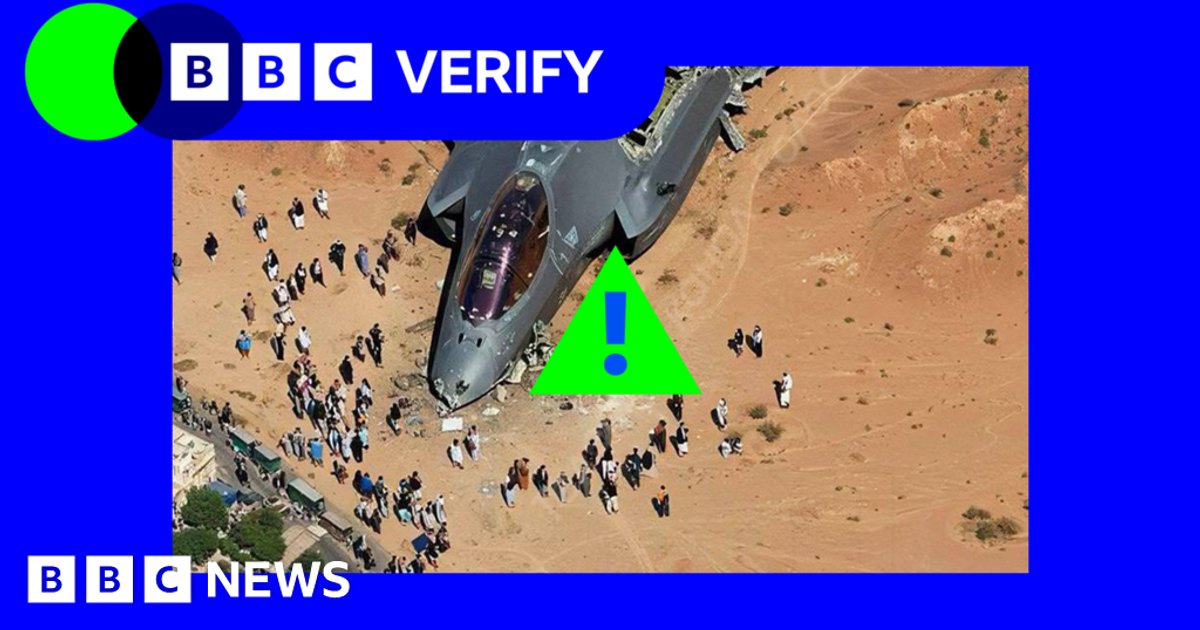
The Israeli war against Iran has intensified with the increasing use of artificial intelligence to produce conflicting narratives. This development has led to a widespread dissemination of fake content, reflecting a shift in psychological warfare methods.
In recent years, the region has witnessed escalating tensions between Iran and Israel, as both countries exchange accusations while enhancing their military and media capabilities. With technological advancements, artificial intelligence has become a key tool in this war, being used to generate misleading media content aimed at influencing public opinion.
Details of the Event
Israel employs advanced artificial intelligence techniques to develop narratives concerning Iranian threats, thereby strengthening its position on the international stage. Conversely, Iran also benefits from these technologies to produce content that supports its narrative and bolsters its stance against external pressures.
This increasing use of artificial intelligence in media warfare raises significant concerns among experts, who point out that these technologies can lead to widespread deception and the proliferation of misinformation. Studies have shown that fake content can significantly influence public opinions and pose a threat to democracy.
Background & Context
Historically, psychological warfare has been an integral part of military conflicts, but with the emergence of artificial intelligence, these wars have become more complex. In recent years, the region has seen a rise in the use of technology in conflicts, leading to radical changes in how wars are conducted.
Iran, facing increasing international pressures, seeks to utilize all available means to enhance its position. In turn, Israel aims to exploit these tensions to strengthen its regional and international standing, escalating the conflict between the two parties.
Impact & Consequences
The effects resulting from the use of artificial intelligence in this war could be far-reaching. The spread of fake content may exacerbate tensions between nations and increase distrust among peoples. Additionally, this phenomenon could lead to the erosion of democratic values, making it difficult for the public to distinguish between truth and fiction.
Moreover, this narrative war could impact regional security, as misleading information may escalate military conflicts. In this context, nations and communities must be more aware of the risks of misinformation and adopt strategies to combat it.
Regional Significance
The Arab region is part of this dynamic, where conflicting narratives can affect regional stability. Amid ongoing tensions, Arab countries may find themselves in a difficult position, needing to address the impacts arising from this narrative war.
It is crucial for Arab nations to recognize the importance of enhancing media literacy among their populations and developing strategies to counter misinformation. Governments and civil societies must work together to promote democratic values and human rights in the face of these challenges.
In conclusion, the use of artificial intelligence in the Israeli-Iranian war represents a significant shift in psychological warfare methods. This situation requires an effective response from all parties involved to ensure that misinformation does not proliferate and negatively impact regional stability.