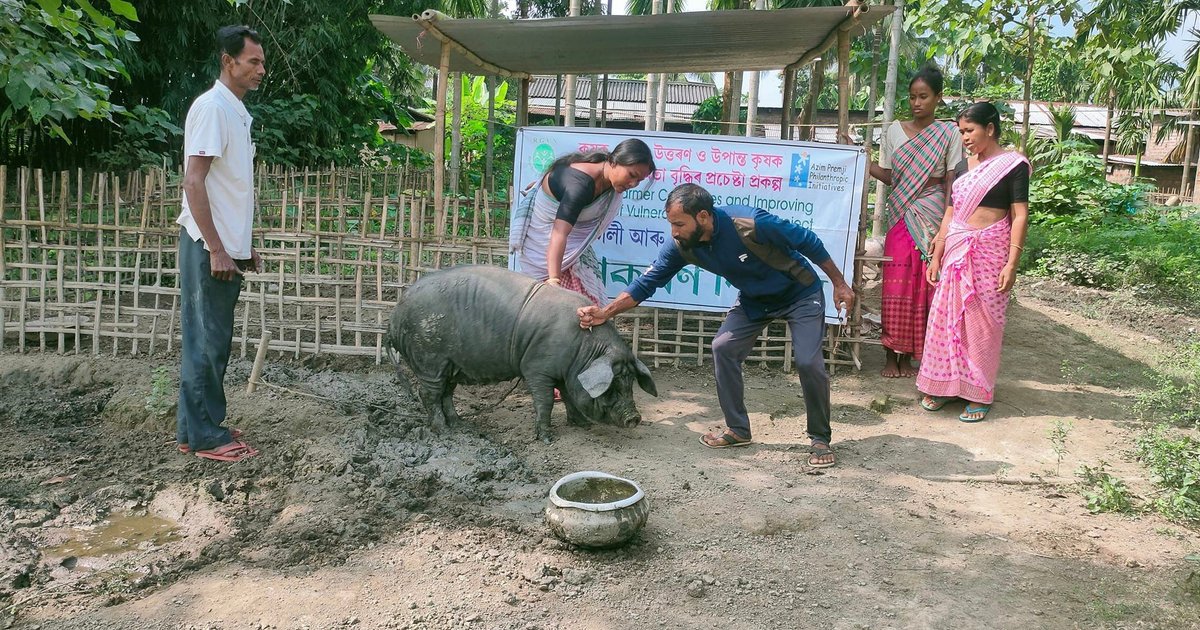
The government of Parigi Moutong in Indonesia continues its vigorous efforts to enhance the vaccination campaign against foot-and-mouth disease (FMD) in livestock, announcing the allocation of 1,000 doses of vaccine to combat this disease that threatens livestock. This announcement was made during statements by agricultural sector officials in the region, emphasizing the importance of vaccination as an effective means to reduce the spread of the disease.
Wayan Borna, the acting head of the Livestock and Animal Health Directorate in Parigi Moutong, stated, "Livestock must receive the foot-and-mouth disease vaccine, as the disease spreads rapidly if swift and preventive measures are not taken." He pointed out that vaccination enhances the animals' immunity, making them less susceptible to the virus, especially under the current circumstances.
Details of the Campaign
The campaign began with the distribution of vaccines to three animal health areas in Parigi Moutong, where 1,000 doses of the vaccine were prepared and distributed gradually. The targeted areas include Moutong, Boyantong, and Balenggi, where a structured plan has been established to implement the campaign in an organized manner.
Nerlina, head of the Animal Health and Veterinary Public Health Department, explained that the program aims not only to protect livestock health but also to prevent the spread of foot-and-mouth disease, which could cause significant economic losses for farmers. The first vaccination operations were conducted in Duston 1 and 2 in the village of Libo, with 15 technicians involved in each area to ensure the campaign's success.
Background & Context
Historically, foot-and-mouth disease is a viral disease affecting livestock and has caused severe damage to livestock in many countries. In recent years, Indonesia has witnessed a notable outbreak of the disease, prompting the government to take urgent measures to protect farmers and their livestock. This campaign is part of the government's efforts to enhance food security in the country.
Concerns are growing regarding the disease's impact on agricultural production, especially with the approach of Eid al-Adha, which requires ensuring the health of animals designated for slaughter. Therefore, vaccination is a vital step to ensure the safety of livestock and meet market demands.
Impact & Consequences
The current vaccination campaign against foot-and-mouth disease is a strategic step aimed at enhancing livestock immunity and reducing health risks. If the campaign succeeds, it could lead to stability in meat prices in the market, benefiting both farmers and consumers. Additionally, protection from the disease will help boost confidence in local animal products.
Moreover, improving livestock health will contribute to strengthening the local economy, as many farmers rely on livestock as a primary source of income. Thus, the success of this campaign could help improve the standard of living in the region.
Regional Significance
The experience of Parigi Moutong in combating foot-and-mouth disease serves as a model for Arab countries facing similar challenges in livestock management. Arab nations can benefit from these efforts by exchanging knowledge and experiences in animal health. Furthermore, enhancing food security through livestock protection is vital in light of current economic challenges.
In conclusion, the vaccination campaign against foot-and-mouth disease in Parigi Moutong represents an important step towards enhancing livestock health and protecting the local economy. The success of this campaign could have widespread positive effects on food security and the economy in the region.