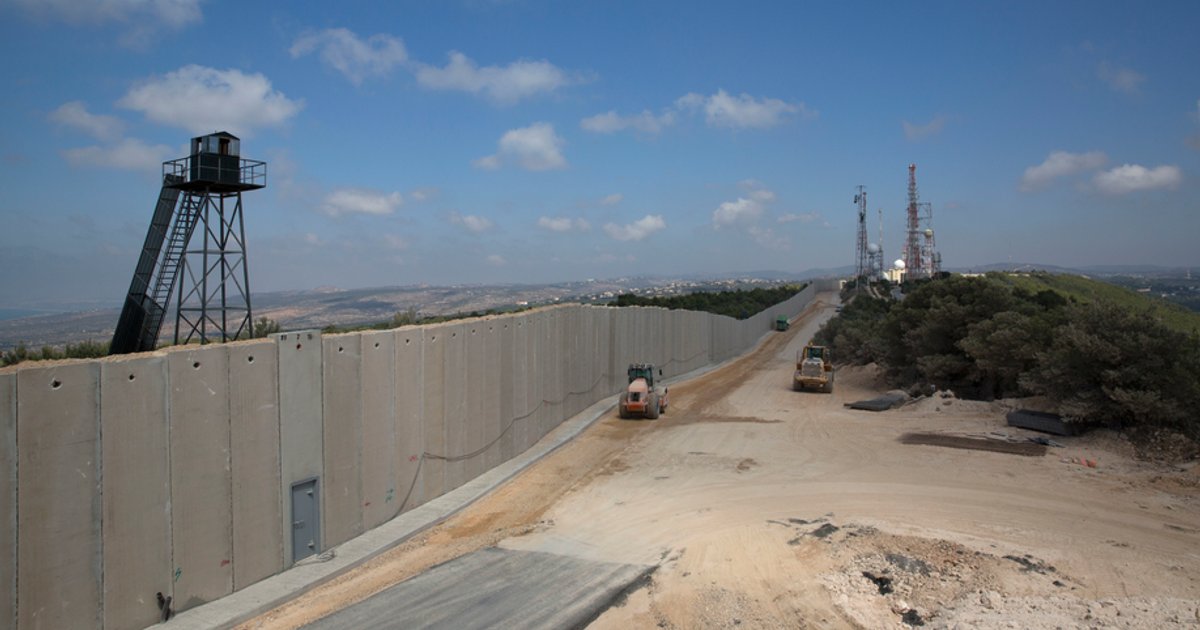
The United Nations Interim Force in Lebanon (UNIFIL) has sparked controversy by accusing the Israeli army of constructing a wall within Lebanese territory, which constitutes a violation of the Blue Line that separates Lebanon from Israel. In response, the Israeli army denied these accusations, emphasizing that its actions are part of a security plan aimed at enhancing protection in the area.
These statements come at a sensitive time, as tensions along the Lebanese-Israeli border are increasing, raising fears of a potential escalation in the region. UNIFIL sources confirmed that the proposed wall threatens regional stability and constitutes a violation of Lebanese sovereignty.
Details of the Incident
In an official statement, UNIFIL reported that it has observed construction activities for a wall extending into Lebanese territory, which contradicts Israel's commitments under UN Security Council Resolution 1701. Reports indicate that these activities could exacerbate tensions between the two sides, especially given the fragile security situation in the area.
On the other hand, the Israeli army responded to these allegations, asserting that the construction activities are aimed at improving security along the border and do not cross the Blue Line. A spokesperson for the army clarified that these measures are intended to protect Israeli citizens from potential threats.
Background & Context
The roots of the conflict between Lebanon and Israel date back decades, with the region witnessing multiple wars, the most recent being the 2006 war. Since then, UNIFIL has continued its work in monitoring the border and supporting efforts aimed at achieving stability. However, tensions remain high, with both sides exchanging accusations of violations.
The Lebanese-Israeli border is considered one of the most tense areas in the Middle East, where armed groups such as Hezbollah operate, which Israel views as a direct threat. This complex situation complicates efforts to reach lasting solutions to the conflict.
Impact & Consequences
These developments could lead to an escalation of tensions between Lebanon and Israel, threatening security and stability in the region. If Israeli activities continue, there is a risk of a new military confrontation, which many fear given the difficult economic and social conditions in Lebanon.
Any escalation in this context could also negatively impact relations between Lebanon and the international community, as the Lebanese government seeks support to address the multiple crises facing the country. Furthermore, any escalation could adversely affect peace efforts in the region.
Regional Significance
The developments along the Lebanese-Israeli border are of great importance to Arab countries, as neighboring nations closely monitor any escalation that could affect regional stability. The continuation of tensions could undermine efforts to achieve peace in the Middle East and deepen divisions among Arab states.
Ultimately, hope remains pinned on the international community to exert pressure for de-escalation and to avoid any military escalation that could lead to dire consequences for the entire region.