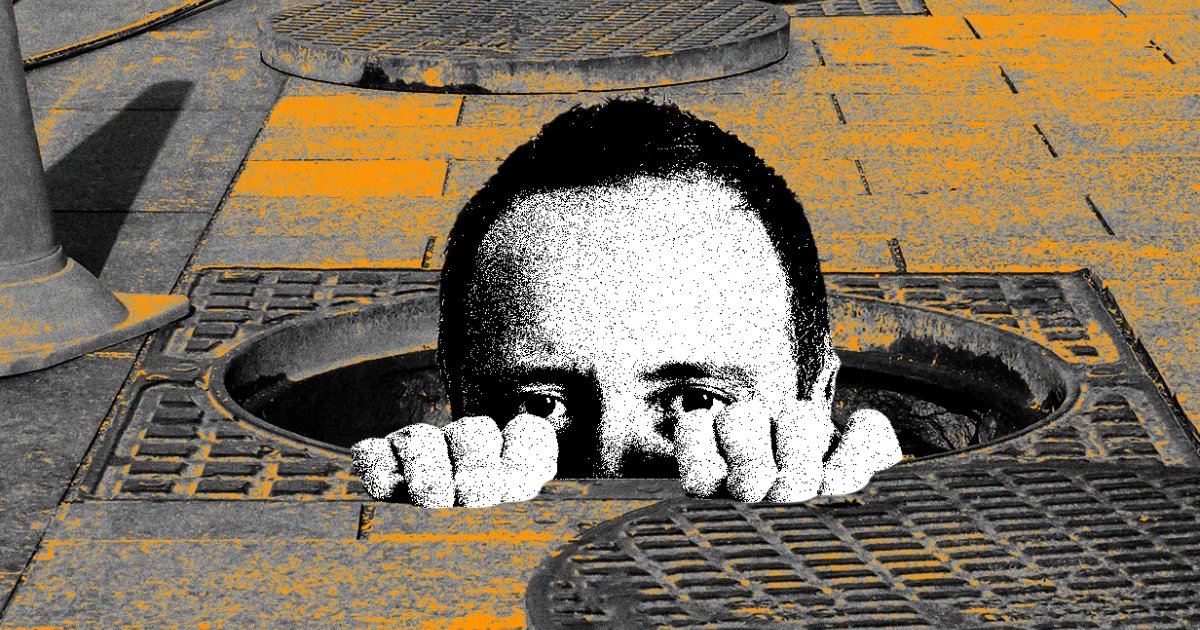
New York residents are monitoring developments with a mixture of anxiety and curiosity as mysterious videos circulate showing groups of people infiltrating underground spaces through sewer openings scattered across the city. The footage reveals unidentified individuals descending into the subterranean infrastructure without clear indication of their identities or the true objectives behind these clandestine movements.
Surveillance cameras captured on May 5 three individuals wearing high rubber boots and protective gear entering a drainage opening in the Queens neighborhood, while another recording on May 29 documented a separate group emerging from a nearby sewer entrance in Brooklyn. Some members of this second group were observed carrying digging equipment and headlamps, raising urgent questions about the nature of their covert activities and whether they represent coordinated criminal operations or reckless adventure seekers.
Conflicting Theories: Treasure Hunters or Urban Explorers?
The New York Police Department (NYPD) has speculated that these individuals might be treasure hunters searching for jewelry, weapons, or valuable collectibles lost within the city's historic sewage system. However, this explanation has been met with skepticism from the urban exploration community, whose members regularly infiltrate abandoned buildings and derelict facilities but maintain strict safety and ethical protocols.
In interviews conducted by Wired magazine with content creators specializing in urban exploration on platforms such as TikTok and YouTube, veteran explorers denied any connection to the individuals appearing in the surveillance footage. They emphasized that the activity appears more sophisticated than typical recreational exploration, noting that the infiltrators changed their clothing upon exiting the sewers—suggesting an organized operation requiring advance planning rather than spontaneous adventure.
Historical Context and Urban Infrastructure
The exploration of New York's hidden infrastructure dates back decades, with the city's sewer network representing one of the oldest drainage systems in the United States, extending for miles beneath Manhattan, Brooklyn, and Queens neighborhoods. In 2010, the New York Times published a photographic report documenting exploratory tours through these systems, describing the waters as brown liquid carrying paper waste and bottles—a reality far removed from romanticized adventure narratives.
Internationally, urban exploration (Urbex) typically involves entering abandoned zones such as derelict factories, decaying mansions, and decommissioned subway stations. However, active sewer systems remain forbidden territories even among experienced adventurers due to severe health hazards, absence of cellular communications, and risks of toxic gas exposure or sudden flooding during rain events.
Security Risks and Official Response
New York City's Department of Environmental Protection has confirmed that unauthorized activity within drainage systems constitutes a serious threat to personal safety, warning of potential suffocation or drowning in sewage waters. Meanwhile, police officials have emphasized that the situation currently poses no direct threat to public security, though they declined to disclose specific details regarding ongoing investigations into the infiltrators' identities and motives.
The mystery surrounding these incidents has generated fears regarding the exploitation of civil infrastructure for criminal purposes, including concealing weapons or narcotics, or utilizing tunnels as clandestine transit routes between city neighborhoods beyond surveillance reach. These concerns are amplified by the absence of recent social media documentation suggesting legitimate exploration of these hazardous areas.
Lessons for Global Urban Security
These events offer critical lessons for major metropolitan areas in the Arab world that share similarities with New York regarding aging and complex infrastructure systems, including Cairo, Tunis, and Casablanca. Historical sewer networks and drainage tunnels form integral components of the urban fabric in these cities, which have witnessed similar incidents of unauthorized entry into sewage systems or abandoned stations—necessitating enhanced smart surveillance systems and coordination between security services and municipal authorities to protect public facilities.
Furthermore, the incidents highlight the urgent need for clear legislation criminalizing infiltration of sensitive infrastructure while providing legal alternatives for enthusiasts and researchers seeking urban adventures. Municipalities could organize guided tours of historically significant closed areas, thereby preserving public safety while satisfying the curiosity of legitimate explorers and researchers interested in subterranean history.
As investigations continue in New York, the fundamental question persists: Does this mystery involve an organized theft operation, a dangerous adventure by thrill-seeking hobbyists, or something more sinister? Until coming days reveal the truth, the sewer openings remain silent witnesses to questions lacking clear answers, leaving residents to wonder what lies beneath their streets.