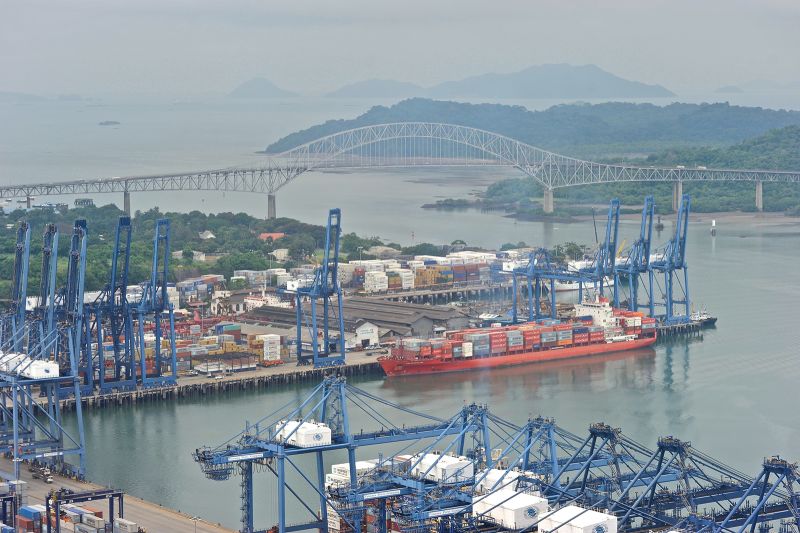
U.S. Senator Marco Rubio has accused China of engaging in 'bullying' tactics following the detention of ships flying the Panama flag in the wake of escalating tensions in the Panama Canal. The incident has sparked widespread concern among political and economic circles, with Rubio asserting that China's actions reflect an aggressive stance that threatens freedom of navigation in vital maritime corridors.
These accusations come after the Panama Canal, one of the most important waterways in the world, has witnessed increasing tensions between China and the United States. These events have impacted global trade, as the Panama Canal serves as a major transit point for commercial vessels between the Atlantic and Pacific Oceans.
Details of the Incident
In recent days, Chinese authorities detained several ships flying the Panama flag, provoking angry reactions from U.S. officials. Rubio, who serves as a senator from Florida, described this action as 'bullying,' indicating that such acts could escalate tensions in the region.
Rubio also noted that this incident is not the first of its kind, as relations between China and the United States have seen increasing strains in recent years, particularly concerning trade and political issues. This incident occurs at a sensitive time as the United States seeks to bolster its alliances in the region to counter China's growing influence.
Background & Context
Historically, the Panama Canal has been a focal point of global trade since its opening in 1914. It has played a vital role in facilitating the movement of goods between the continents. However, control over this canal has become a subject of contention among major powers, with both China and the United States vying to enhance their influence in the region.
In recent years, China has increased its investments in Panama, raising concerns in the United States. Washington views these investments as a threat to its strategic interests in the region, leading to heightened tensions between the two countries.
Impact & Consequences
The detention of the ships serves as a reminder that geopolitical tensions can significantly affect global trade. This incident may heighten concerns among businesses and investors regarding the stability of maritime routes, potentially impacting prices and supply chains.
Moreover, this escalation could provoke political reactions in the United States, where some lawmakers may call for stricter measures against China. Additionally, this incident could strengthen the position of political factions advocating for an increased U.S. military presence in the region.
Regional Significance
For the Arab region, any escalation in tensions between China and the United States could impact Arab trade with both countries. Arab nations are among the largest importers of goods from China, and any disruption in trade flow could lead to negative repercussions for the Arab economy.
Furthermore, Arab relations with China may be affected, as many Arab countries seek to enhance cooperation with Beijing in various fields. Therefore, the current tensions could influence these relationships and reshape them in the future.
In conclusion, the situation in the Panama Canal remains under close observation, as current events may lead to significant changes in international relations and global trade. It is crucial for Arab countries to monitor these developments closely, as their impact may extend to their economic and political interests.