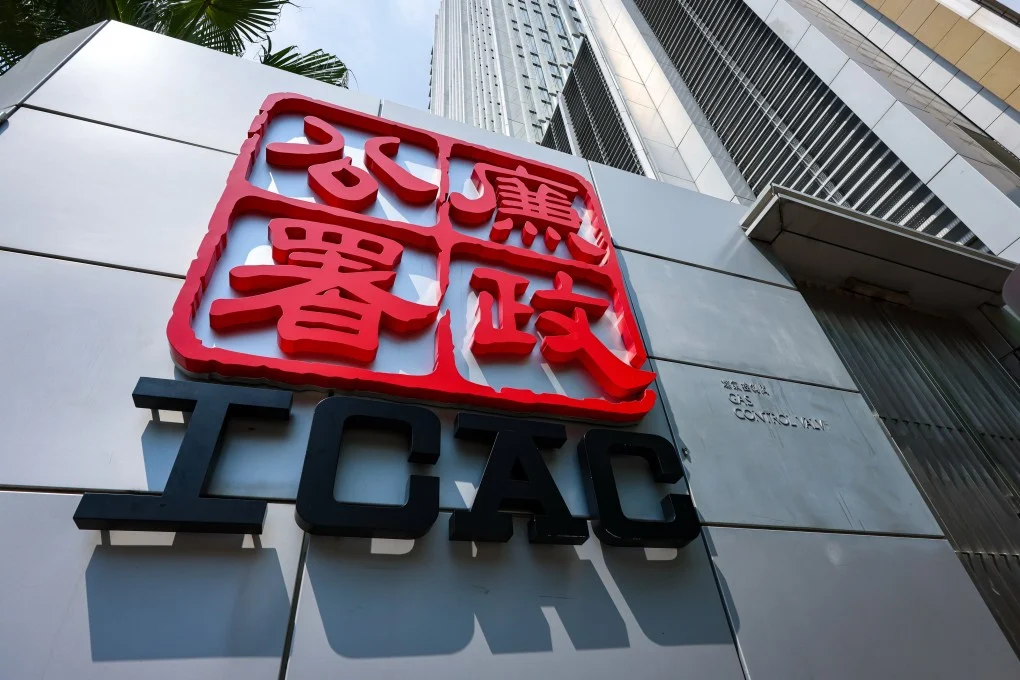
The Independent Commission Against Corruption (ICAC) in Hong Kong has brought charges against a senior police officer for accepting a bribe of HK$1 million (approximately US$127,599) from a businessman. The officer, identified as Leo Ka Man, aged 52, is also accused of leaking internal information and orchestrating matters so that his younger brother would bear the responsibility for speeding offenses.
The ICAC announced these charges on Tuesday, indicating that Leo is not alone in this case, as charges have also been filed against his girlfriend and younger brother. The allegations include four main points, encompassing conspiracy to commit an illegal act and accepting bribes.
Details of the Incident
This case is considered one of the largest scandals facing the police force in Hong Kong, demonstrating the extent of corruption that can infiltrate government institutions. Reports suggest that Officer Leo exploited his position for personal gain, raising questions about the integrity of the police in the city.
This case is expected to have significant repercussions on the reputation of the police in Hong Kong, as corruption is a sensitive issue that affects public trust in government institutions. Additionally, the investigations may uncover further corruption within the police force.
Background & Context
Historically, Hong Kong has faced significant challenges in combating corruption, with the ICAC established in 1974 to tackle this phenomenon. Since then, the agency has achieved notable successes in reducing corruption in public institutions, but incidents like this indicate that challenges remain.
This case serves as a reminder that corruption can manifest anywhere, even in institutions that are supposed to be the most honest. Furthermore, this incident comes at a sensitive time as Hong Kong seeks to rebuild public trust in its institutions following a series of protests in recent years.
Impact & Consequences
This case could lead to changes in how the police operate in Hong Kong, potentially requiring greater transparency and accountability. It may also affect the relationship between the police and the community, as citizens may feel distrustful of the police's ability to protect their rights.
Moreover, this case could prompt calls for reforms in the legal system in Hong Kong, as corruption is seen as an obstacle to social and economic development. It is crucial for the government to take effective steps to address this issue and restore public confidence.
Regional Significance
This case highlights the importance of combating corruption as a global issue, as many Arab countries face similar challenges. Corruption can hinder economic and social development, necessitating effective strategies to combat it.
Arab nations can learn from global experiences in fighting corruption, including establishing independent bodies to monitor corruption and enhancing transparency in government institutions. Strengthening integrity and accountability can contribute to building public trust in governments.