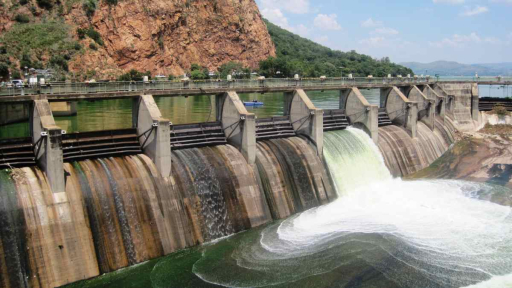
The Jinilata Dam project in Indonesia has made significant progress, reaching a completion rate of 25%. Located in the Manuju area of Central Java, this initiative is part of the national strategic projects aimed at enhancing water infrastructure in the country.
The current construction activities include the building of dams and reservoirs, as well as improvements to the irrigation system in the region. This project is expected to contribute to providing necessary water for agriculture and generating electricity, thereby boosting economic development in the area.
Project Details
The Jinilata Dam is considered one of the vital projects launched by the Indonesian government as part of its efforts to improve water resource management. The dam is designed to store large quantities of water, which will help address the dry periods that the country often faces.
The construction is being supervised by the Ministry of Public Works and Housing, which has allocated a substantial budget to ensure the project is completed on time. Modern construction techniques have been employed to ensure the safety and efficiency of the structure.
Background & Context
Indonesia is one of the countries facing significant challenges in managing its water resources, experiencing both floods and droughts simultaneously. Therefore, the government is striving to implement strategic projects like the Jinilata Dam to improve the water situation in the country.
These efforts are crucial as they align with Indonesia's broader goals of sustainable development and resource management. The Jinilata Dam is expected to play a key role in addressing these challenges by enhancing water availability and reliability.
Impact & Consequences
The Jinilata Dam is anticipated to have a substantial impact on the local economy, as it will provide the necessary water for agriculture, thereby enhancing farmers' productivity. Additionally, it will help in supplying electricity, contributing to improving the living standards of the residents.
Furthermore, the project is expected to create job opportunities during the construction phase, which will benefit the local community economically. The long-term benefits of the dam will extend beyond immediate employment, fostering a more resilient agricultural sector.
Regional Significance
This project is a strategic step towards improving water resource management in Indonesia, reflecting the importance of investment in water infrastructure. The Jinilata Dam not only addresses immediate water needs but also sets a precedent for future projects aimed at sustainable development.
In conclusion, the Jinilata Dam project represents a significant advancement in Indonesia's efforts to manage its water resources effectively. As the project progresses, it is expected to yield considerable benefits for both the local economy and the broader national landscape.