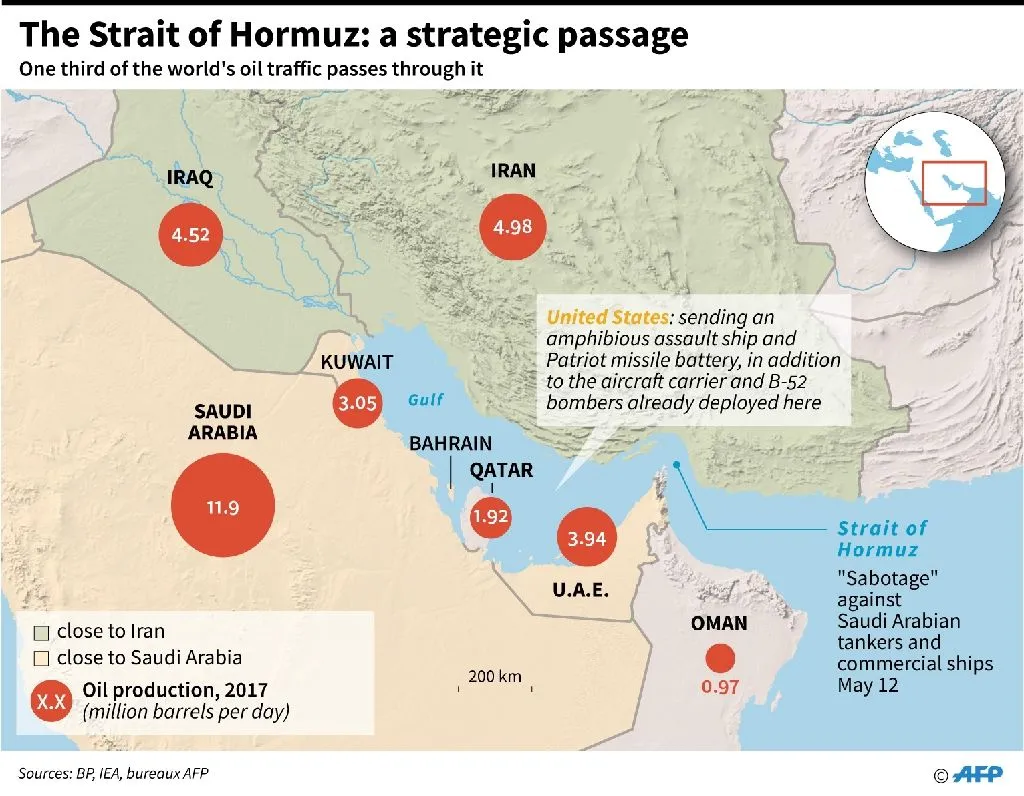
The Qatari Foreign Ministry announced that Arab nations have reached a unified stance regarding the Strait of Hormuz, emphasizing that there will be no individual agreements with Iran. This announcement comes at a sensitive time as the region experiences increasing tensions, reflecting the importance of Arab coordination in facing security challenges.
The Qatari Foreign Ministry confirmed that the meeting of Arab foreign ministers in Doha resulted in a consensus on the necessity of maintaining navigation security in the Strait of Hormuz, which is a vital artery for global oil trade. It pointed out that any future actions must be within a comprehensive Arab framework, rather than through bilateral or individual agreements with Tehran.
Details of the Meeting
During the meeting held in Doha, a range of security and economic issues relevant to Arab nations were discussed, where the importance of cooperation and coordination among Arab countries to face common challenges was emphasized. The ministers focused on the need to enhance security in the Strait of Hormuz, through which approximately 20% of the world's total oil passes.
The potential threats to maritime navigation in the region were also discussed, including Iranian military activities. The ministers stressed the importance of collective action in addressing these threats, emphasizing that any moves must be consistent with shared Arab interests.
Background & Context
The Strait of Hormuz is one of the most strategically important maritime passages in the world, connecting the Arabian Gulf to the Gulf of Oman. Historically, this strait has witnessed numerous crises and tensions, especially amid regional conflicts and tensions between Iran and Western countries. These tensions have led to an increased military presence in the region, raising concerns among neighboring Arab nations.
In recent years, Iran has intensified its military activities in the region, prompting Arab nations to seek ways to enhance their security. This unified Arab stance comes at a critical time, as fears of escalating military tensions in the Gulf are on the rise.
Impact & Consequences
This unified Arab stance could have significant implications for security and stability in the region. This coordination reflects the desire of Arab nations to collectively confront challenges, which may contribute to enhancing regional security. It could also help reduce risks associated with maritime navigation, benefiting the global economy.
Furthermore, this position may strengthen relations among Arab countries, potentially leading to further cooperation in other areas, such as the economy and security. At the same time, this stance may provoke reactions from Iran, which may view it as a threat to its interests in the region.
Regional Significance
The Arab nations' position regarding the Strait of Hormuz is an important step towards enhancing regional security. This coordination reflects the desire of Arab countries to work together to face common challenges. Moreover, enhancing security in the Strait of Hormuz could contribute to the stability of global oil markets, benefiting the Arab economy.
Ultimately, the question remains about how Iran will respond to this unified Arab stance and whether it will seek to enhance dialogue or escalate tensions. Strengthening security in the Strait of Hormuz is not only in the interest of Arab nations but also in the interest of the entire international community.