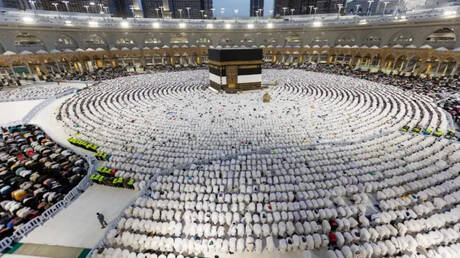
The Saudi Ministry of Hajj and Umrah has announced the activation of a specialized operations room in collaboration with the Civil Aviation Authority, aimed at overcoming obstacles and providing necessary services for pilgrims. This initiative is part of the Kingdom's ongoing efforts to improve the experience of pilgrims and facilitate travel procedures, especially with the approaching Umrah season.
The ministry aims to provide technical and logistical support to pilgrims through this operations room, in addition to coordinating with various relevant authorities to ensure smooth operations. This includes coordination with airlines, security agencies, and health services, reflecting the Kingdom's commitment to providing the best services to the guests of Allah.
Details of the Initiative
The activation of the operations room comes at a time when the Umrah sector is witnessing a noticeable revival, with increasing numbers of pilgrims from various countries around the world. The ministry has confirmed that the room will operate around the clock to meet the needs of pilgrims and provide the necessary support during their stay in the Kingdom.
The room will also monitor the movement of pilgrims at airports and provide them with necessary information regarding flights and required procedures, which contributes to reducing congestion and facilitating the entry and exit process.
Background & Context
Historically, the Kingdom of Saudi Arabia has hosted millions of pilgrims annually; however, the COVID-19 pandemic significantly impacted this sector. With the easing of health restrictions, the Kingdom has begun reopening its doors to pilgrims, necessitating improvements in the services provided to them.
Umrah is one of the important rituals for Muslims, and the Kingdom is keen to provide a safe and comfortable environment for pilgrims. By activating the operations room, the ministry seeks to enhance the trust of pilgrims and ensure their safety while performing their rituals.
Impact & Consequences
The activation of the operations room has positive implications for the religious tourism sector in the Kingdom. This measure is expected to contribute to an increase in the number of pilgrims, thereby boosting the local economy through increased spending in tourism-related sectors.
Moreover, improving the services provided to pilgrims enhances the Kingdom's reputation as a religious tourism destination, which may attract more visitors from around the world. This, in turn, reflects the Kingdom's commitment to developing its tourism infrastructure and providing distinguished services.
Regional Significance
Saudi Arabia is considered a key center for religious tourism in the Arab and Islamic world. Therefore, improving Umrah services will have a positive impact on neighboring countries that rely on religious tourism.
Additionally, the Kingdom's success in managing Umrah services can serve as a model for other countries in the region, enhancing cooperation among Arab nations in the field of religious tourism.
In conclusion, the activation of the operations room to serve pilgrims represents an important step towards improving the visitor experience in the Kingdom and reflects the government's commitment to providing the best services to the guests of Allah. This initiative not only aims to enhance tourism but also to strengthen cultural and religious ties between peoples.