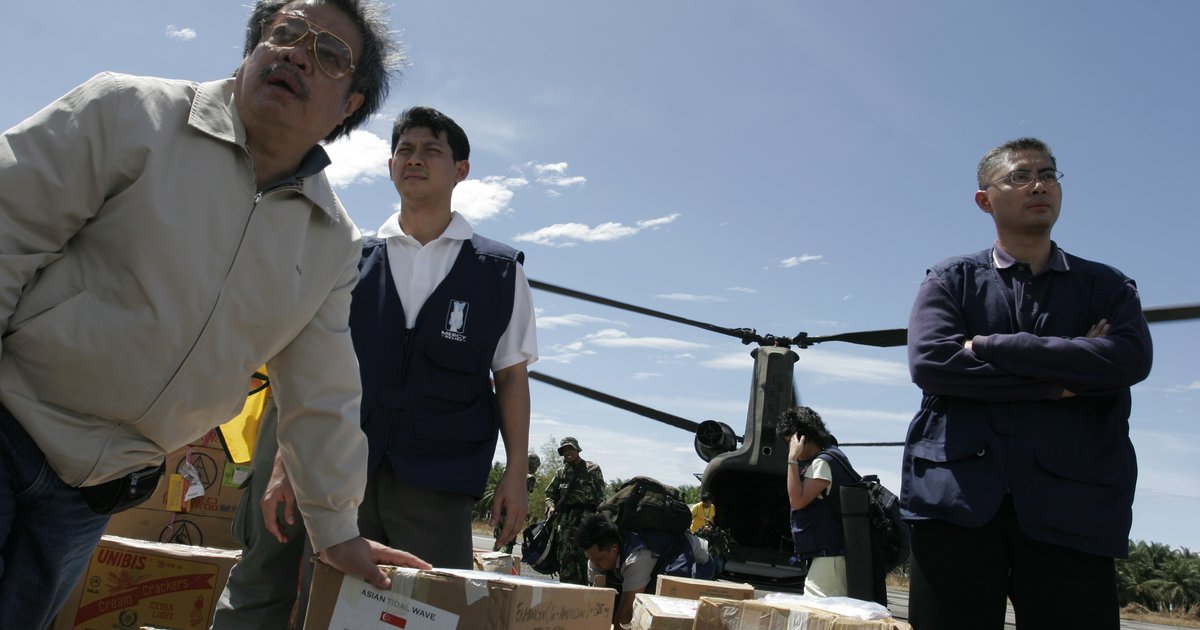
The Deputy Governor of Aceh, Fadhillah, has called for the urgent reactivation of relief centers in areas affected by floods, aiming to expedite the data collection process necessary for constructing permanent housing for the victims. This statement was made during his meeting with officials from the Antara News Agency in Banda Aceh.
Fadhillah, known by the nickname “Dik Fad”, emphasized the pressing need to activate these centers, noting that only 10 out of 18 affected areas have completed the necessary data collection for housing construction.
Details of the Event
In his remarks, the Deputy Governor highlighted the importance of this data in determining the locations for the victims' residences. He referred to a previous experience in North Aceh, where 104 permanent housing units were built. However, after the construction was completed, several beneficiaries opted out of accepting communal housing and requested to return to their original sites.
Fadhillah clarified that the government is working diligently to provide support to the affected individuals, indicating that the state aims to meet the needs of citizens impacted by the floods, allowing each family to designate their own housing location.
Background & Context
Historically, Aceh has experienced numerous natural disasters, including earthquakes and floods, which have resulted in significant loss of life and property destruction. Following the major catastrophe in 2004, relief and reconstruction efforts in the region were intensified, but challenges remain.
The recent floods that swept through Aceh serve as a stark reminder of the environmental vulnerability of the area, necessitating a swift and effective response from both the government and the local community.
Impact & Consequences
Accelerating the construction of permanent housing is a vital step in supporting flood victims. Delays in providing housing can exacerbate humanitarian conditions and increase the suffering of affected families.
Moreover, reactivating relief centers will aid in improving coordination between government entities and civil society, ensuring that aid reaches those in need more quickly and effectively.
Regional Significance
Aceh's experiences in dealing with natural disasters can provide valuable lessons for Arab countries facing similar challenges, such as floods and earthquakes. Effective coordination between government agencies and civil society can enhance emergency response in any region.
Ultimately, strengthening communities' capacity to cope with natural disasters requires investment in infrastructure and strategic planning, which should be a focal point for Arab nations moving forward.