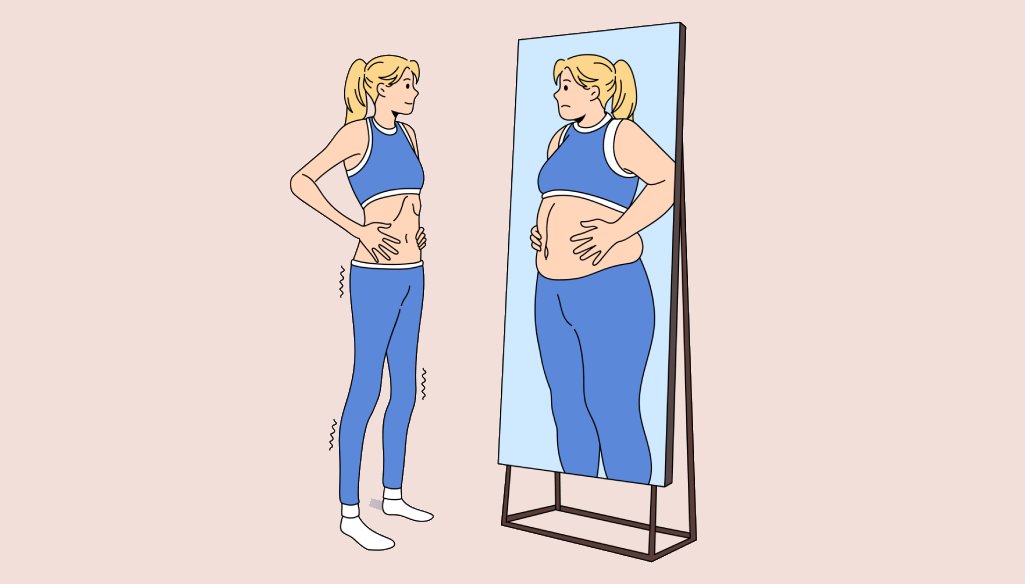
Many young people today suffer from Body Dysmorphic Disorder, a psychological condition that negatively impacts self-esteem. Studies indicate that this disorder leads to serious health and psychological issues, including anxiety and depression. This disorder is increasingly recognized in modern societies, where individuals face social and cultural pressures that affect their self-perception.
The symptoms of Body Dysmorphic Disorder manifest as a persistent dissatisfaction with one’s appearance, which can lead to unhealthy behaviors such as excessive exercise or following strict diets. In some cases, this can escalate into eating disorders such as anorexia nervosa or bulimia.
Event Details
Reports indicate that Body Dysmorphic Disorder affects a significant proportion of young people, with studies showing that nearly 30% of adolescents experience this disorder. This percentage is even higher among girls, who face greater pressures from media and society to meet certain beauty standards.
The causes of this disorder are varied, ranging from genetic factors to social and psychological influences. Social media also plays a crucial role in exacerbating these feelings, as it showcases edited and idealized images that impact young people's self-perception.
Background & Context
Body Dysmorphic Disorder is part of a broader range of psychological disorders that require special attention. In recent years, awareness of this issue has increased, leading to the emergence of awareness programs aimed at helping young people cope with these negative feelings.
Many health institutions strive to provide psychological support and treatment for individuals suffering from this disorder. Awareness campaigns have also been launched to promote a positive body image and encourage young people to accept themselves as they are.
Impact & Consequences
The impact of Body Dysmorphic Disorder extends to multiple areas, including mental and physical health. This disorder can lead to serious health problems, such as cardiovascular disorders, resulting from strict diets or excessive exercise.
Moreover, this disorder affects social relationships, as individuals may avoid social activities due to dissatisfaction with their appearance. This can lead to social isolation and increased levels of anxiety and depression.
Regional Significance
In the Arab region, cases of Body Dysmorphic Disorder are on the rise, especially among young people. This phenomenon reflects the influence of Western culture and media on beauty perceptions. With the increasing use of social media, it has become essential to raise awareness about this issue in Arab communities.
Many non-governmental organizations and health centers are working to provide support and assistance to individuals suffering from this disorder. Workshops and awareness campaigns are being organized to promote a positive body image and encourage young people to accept themselves.
In conclusion, Body Dysmorphic Disorder represents an important issue that requires special attention from society. By raising awareness and providing support, we can contribute to improving the mental health of young people and helping them build a positive self-image.