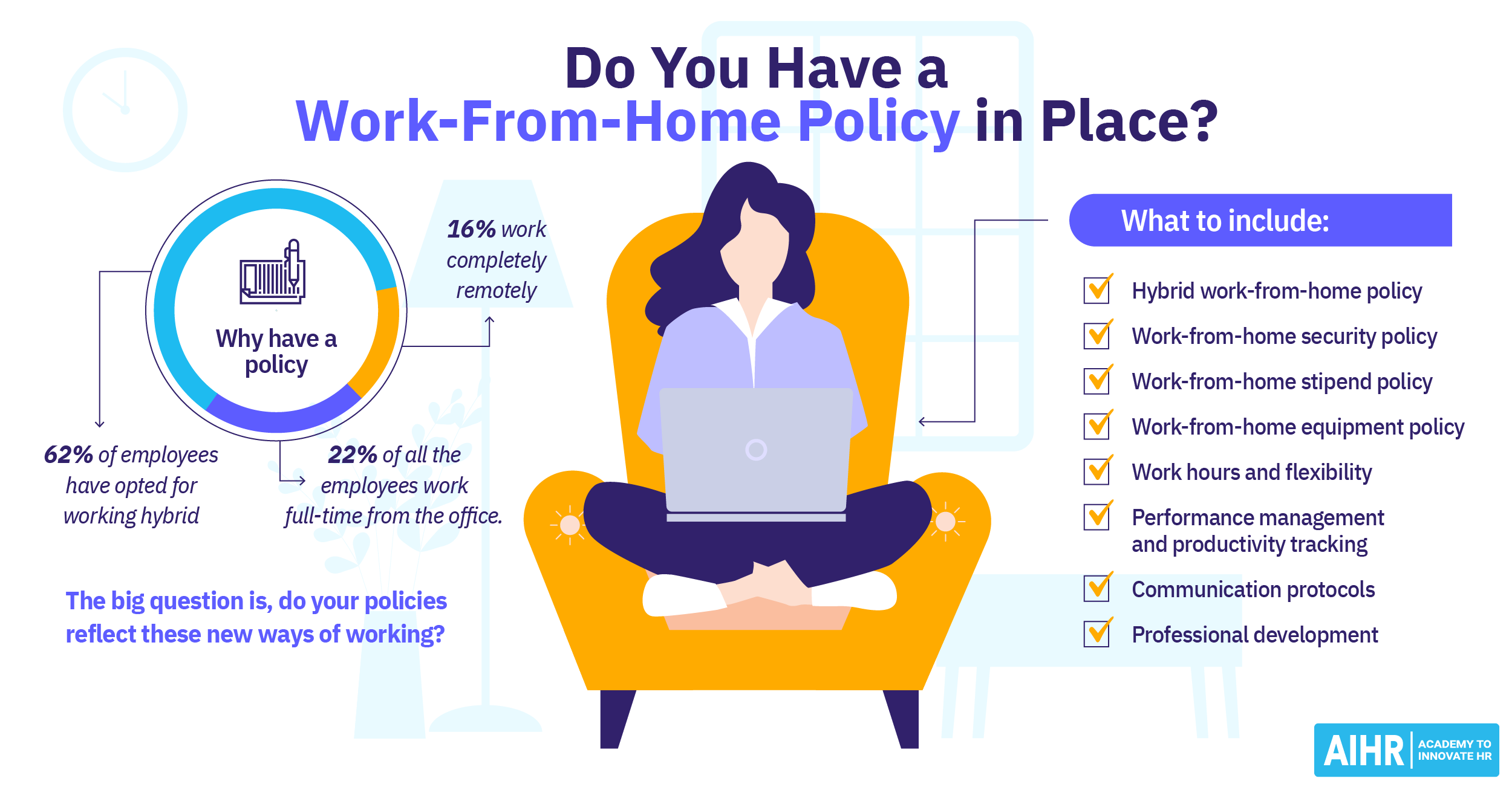
In a move aimed at enhancing government work efficiency, NEXT Indonesia has asserted that the work-from-home (WFH) policy for Indonesian government employees requires additional policy support to ensure its effectiveness. This statement was made during a discussion held in the capital, Jakarta, where the executive director of the center, Christian Toku, pointed out the necessity of evaluating this policy over the next two months.
Toku explained that this policy represents a swift response from the government to address current challenges, noting that taking this step was less politically risky compared to increasing subsidized fuel prices, which could provoke negative public reactions.
Event Details
During the discussion, Toku expressed appreciation for the decision not to raise fuel prices, considering that such a move would have imposed an additional burden on citizens. He affirmed that reducing working days is a positive step reflecting the government's commitment to reducing expenditures.
Toku emphasized the importance of ensuring that public services continue to be delivered effectively during the implementation of the work-from-home policy, stating that the government must demonstrate to citizens that services such as immigration, public administration, and health are still functioning efficiently.
Background & Context
This policy comes in the context of the transformations that Indonesia has experienced during the COVID-19 pandemic, where experiences have shown that remote work can enhance work efficiency and productivity if managed well. These experiences have contributed to shaping a new vision of how to manage work in the public sector.
However, implementing the work-from-home policy also requires an effective performance monitoring system, including the adoption of key performance indicators (KPIs) to ensure continued employee productivity.
Impact & Consequences
The work-from-home policy is seen as an opportunity to enhance digital transformation within Indonesian bureaucracy. Nevertheless, Toku warned that this policy could lead to social and operational consequences, both for government employees and the private sector, which is closely linked to government services.
Therefore, the evaluation over the next two months will be crucial in determining the effectiveness of this policy and its impact on the quality of services provided.
Regional Significance
These developments in Indonesia indicate a global trend towards remote work, which may have similar impacts in Arab countries. Arab nations can benefit from these experiences to enhance government work efficiency and improve public services.
In light of the economic and social challenges faced by many Arab countries, the work-from-home policy could be an effective tool to boost productivity and reduce costs.