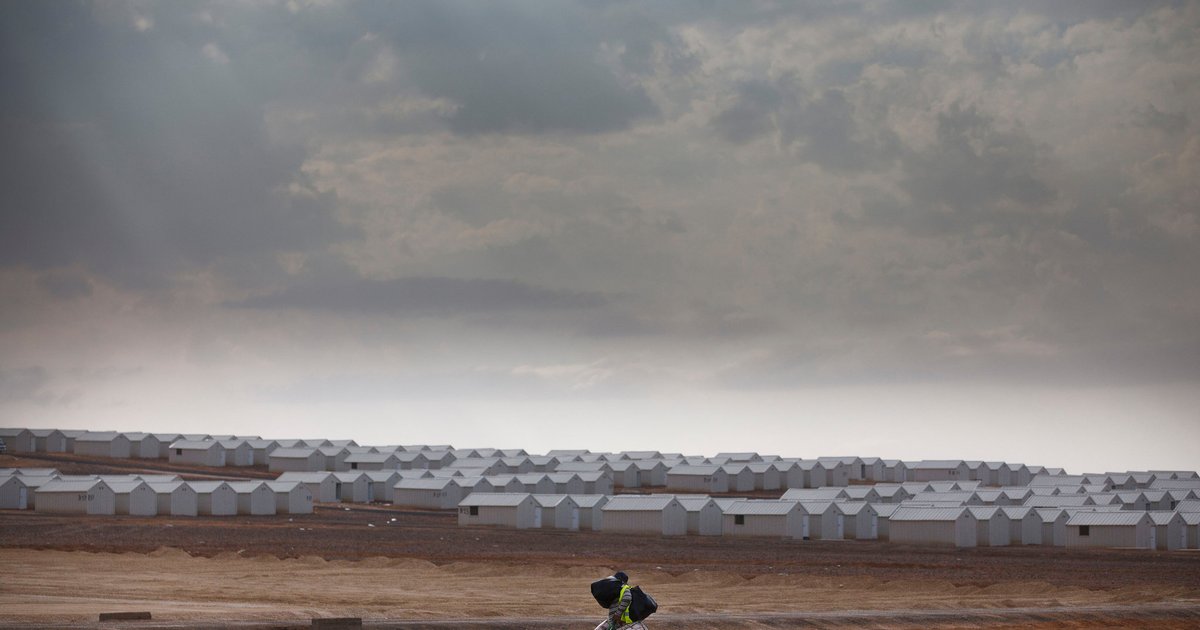
The residents of the Jerash refugee camp in Jordan live under the weight of increasing environmental and climate risks, with climate change directly impacting their daily lives. The camp suffers from a shortage of water resources, intensifying the challenges faced by the population, who rely on these resources to meet their basic needs.
Conditions in the camp are worsening due to harsh climatic circumstances, such as rising temperatures and drought, affecting local agriculture and increasing dependence on humanitarian aid. Additionally, the degradation of the environment surrounding the camp exacerbates health and psychological crises among the refugees.
Event Details
Reports indicate that the Jerash camp, which houses thousands of Palestinian refugees, is experiencing a severe water shortage, with daily water needs estimated at over 800 cubic meters, while the available supply does not exceed 500 cubic meters. This deficit leads to conflicts among residents and increases psychological pressures on them.
Moreover, the camp suffers from deteriorating air quality due to pollution from waste and debris, heightening the risk of respiratory diseases among children and the elderly. The overall health conditions in the camp are worsening, necessitating urgent interventions from humanitarian organizations.
Background & Context
The Jerash camp was established in 1968 and is considered one of the largest camps in Jordan. It is home to over 30,000 Palestinian refugees and faces difficult economic and social conditions. Historically, the camp has witnessed numerous crises, including wars and regional conflicts, affecting the stability and well-being of its residents.
Environmental risks in the camp are increasing due to global climate changes affecting all areas of the Middle East. Studies indicate that the region is experiencing rising temperatures and changing rainfall patterns, intensifying drought and impacting agriculture and water resources.
Impact & Consequences
The environmental and climate risks directly affect the lives of refugees in the Jerash camp, leading to rising rates of poverty and unemployment. The lack of water and food results in the spread of diseases, increasing the burden on the local health system. Under these circumstances, there is a growing need for humanitarian support from international and local organizations.
Furthermore, the environmental degradation in the camp could exacerbate social crises, as economic pressures may heighten tensions among residents. This situation requires a comprehensive response from stakeholders to ensure the provision of basic needs for the population.
Regional Significance
The crisis in the Jerash camp serves as a model for larger issues faced by many camps in the region. These crises reflect the environmental and climate challenges affecting millions of refugees in the Arab world. It is crucial for Arab countries and humanitarian organizations to collaborate in addressing these challenges and providing necessary support to refugees.
Ultimately, the situation in the Jerash camp demands urgent international community response to ensure the rights of refugees and protect them from increasing environmental and climate risks. Effective strategies must be implemented to adapt to climate changes and improve living conditions for the population.