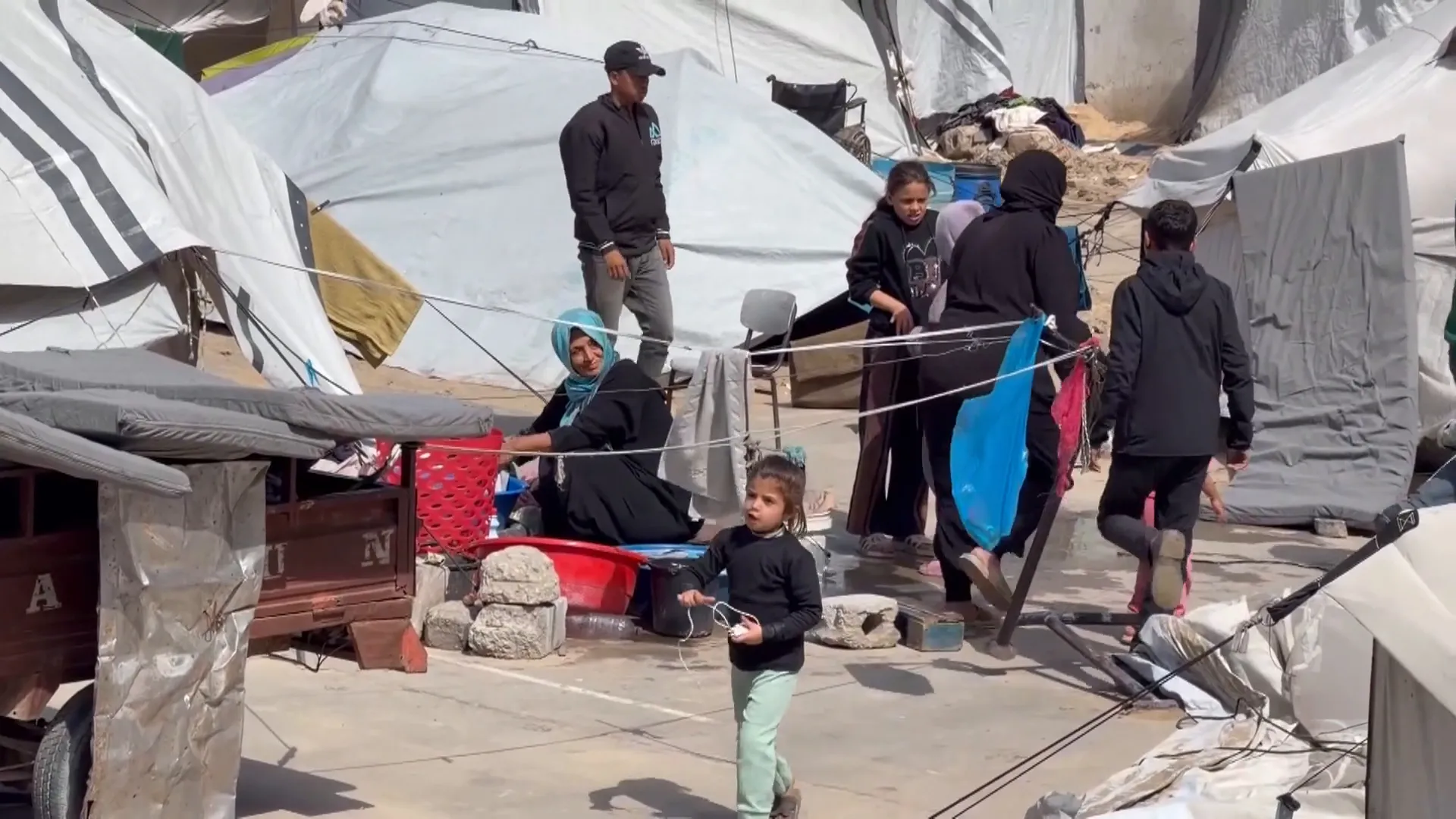
The situation in the displacement camps of Gaza is deteriorating, as overcrowded sewage wells pose a direct threat to the lives of thousands of displaced individuals. These wells, suffering from significant degradation, have led to serious collapse incidents resulting in fatalities and injuries, raising concerns about the safety of residents in these areas.
Al Jazeera correspondent Rami Abu Taima reported on the conditions in the camps, noting that complaints are increasing regarding the spread of diseases and the proliferation of rodents, exacerbating the suffering of displaced individuals living in harsh conditions. The health situation in the camps requires urgent intervention from the relevant authorities, as the continuation of these conditions could lead to the outbreak of new epidemics.
Details of the Crisis
Reports indicate that many displacement camps in Gaza are suffering from a severe lack of essential services, including sanitation. The wells constructed for wastewater drainage have become a major concern, as they are at risk of collapse due to overcrowding and lack of maintenance. This situation has led to water contamination and the spread of diseases, threatening the lives of the displaced, especially children and the elderly.
Concerns are growing that the deterioration of the environmental situation could lead to outbreaks of diseases such as cholera and typhoid, which could have dire consequences for public health. Additionally, the spread of rodents in the camps increases the risk of disease transmission, necessitating a swift response from local and international authorities.
Background & Context
Historically, the Gaza Strip has witnessed recurring humanitarian crises due to ongoing conflicts and the blockade imposed on the region. These crises have led to the deterioration of infrastructure and essential services, forcing displaced individuals to live in harsh conditions. The camps established to shelter the displaced have become overcrowded, increasing pressure on available resources and complicating relief efforts.
In recent years, many humanitarian organizations have attempted to provide assistance; however, political and economic challenges hinder these efforts. The current situation requires a concerted effort from local and international stakeholders to provide the necessary support and improve the living conditions of the displaced.
Impact & Consequences
The repercussions of this crisis extend beyond local borders, as the outbreak of diseases in Gaza could affect health security in the entire region. If immediate action is not taken, the situation could lead to a larger health crisis, necessitating urgent international intervention.
Furthermore, the continuation of these conditions may exacerbate the economic and social situations in Gaza, increasing the suffering of the population and complicating reconstruction and development efforts. These conditions could also impact relations among various parties in the region, calling for serious dialogue to address the accumulated crises.
Regional Significance
The Gaza crisis is part of the multiple humanitarian crises facing the Arab region. The conditions in Gaza reflect the challenges many Arab countries face amid conflicts and wars. These crises affect regional stability and increase the suffering of peoples.
Improving conditions in Gaza requires international cooperation and Arab solidarity, as humanitarian crises cannot be solved in isolation from the regional context. It is essential that efforts are combined to provide the necessary support and improve the living conditions of affected populations.
In conclusion, there must be an urgent response from the international community to address the humanitarian conditions in Gaza. Improving health and environmental conditions in the camps is crucial to protect the lives of the displaced and ensure a better future for them.