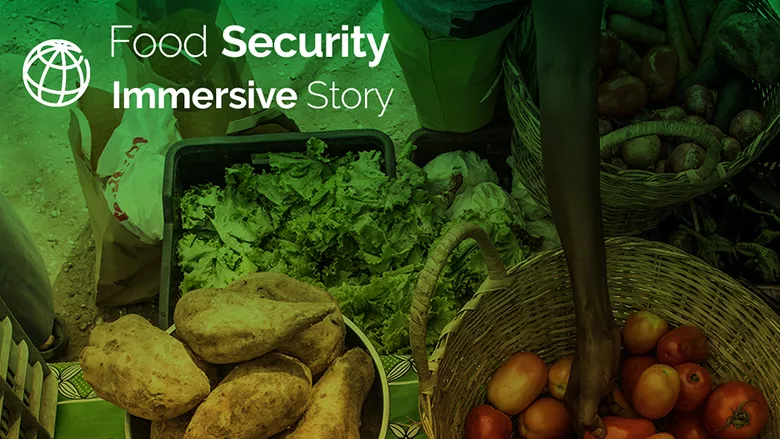
The global economic crises are having a profound impact on food security, as many countries struggle to secure their basic needs. With rising food prices and increasing economic pressures, it has become essential to reassess food security strategies on a global scale.
Reports indicate that many countries, particularly developing ones, face significant challenges in providing sufficient food for their citizens. These challenges are exacerbated by ongoing armed conflicts, climate change, and economic crises that are shaking global markets.
Details of the Current Situation
The economic crises are escalating in many countries, leading to a worsening food security problem. Food prices have seen a noticeable increase, negatively affecting citizens' purchasing power. According to reports from the Food and Agriculture Organization, over 800 million people worldwide suffer from food shortages, necessitating an urgent response from governments and the international community.
There are multiple reasons behind these crises, ranging from armed conflicts that disrupt supply chains to climate changes affecting agricultural production. Additionally, the COVID-19 pandemic has further aggravated the situation, leading to border closures and disruptions in global trade.
Background & Context
Over the years, the world has witnessed numerous food crises, but the current conditions are among the most complex. Wars and conflicts in regions such as the Middle East and Africa have exacerbated economic conditions, affecting countries' abilities to provide food. Furthermore, climate changes leading to droughts and floods contribute to reducing agricultural output.
Historically, food crises were often related to sieges or natural disasters, but today economic crises play a pivotal role in this issue. With a growing population, there is an increasing need for effective strategies to ensure food security.
Impact & Consequences
The repercussions of food crises transcend national borders, affecting political and social stability in many countries. Rising food prices can lead to popular protests, increased crime rates, and deterioration of public health.
Moreover, food crises impact economic development, as countries suffer from labor shortages due to malnutrition. Therefore, addressing these issues requires international cooperation and joint efforts from governments and non-governmental organizations.
Regional Significance
The Arab region is among the most affected areas by food crises, with many countries facing severe shortages of food resources. Ongoing conflicts in countries like Syria, Yemen, and Libya have worsened conditions, making food security a significant challenge.
Some Arab countries are seeking to develop new strategies to enhance food security, such as investing in sustainable agriculture and strengthening regional cooperation. However, challenges remain, necessitating continuous efforts to overcome them.
In conclusion, global economic crises pose a real threat to food security, prompting an urgent response from the international community. Effective strategies must be implemented to ensure adequate food supply for all, especially under current circumstances.