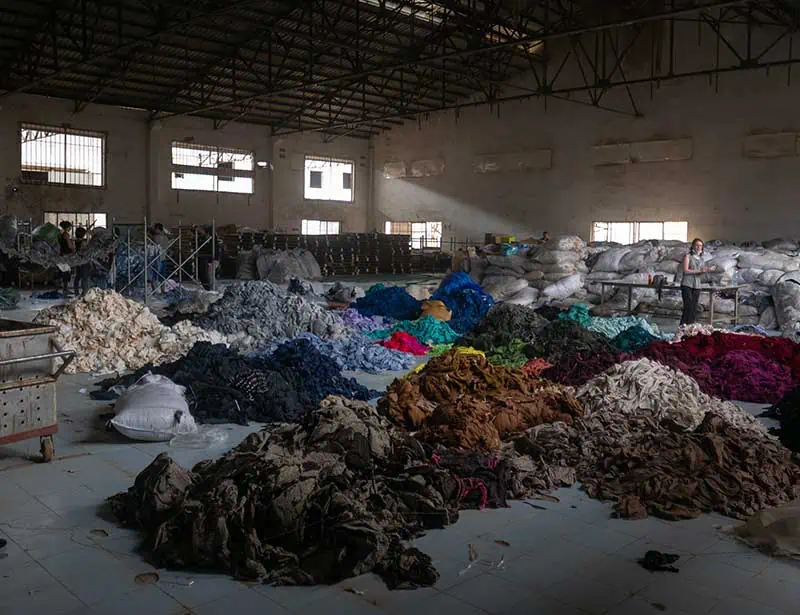
The industrial textile waste crisis is escalating globally, posing significant environmental challenges. Reports indicate that urgent solutions are needed to mitigate its negative impacts.
The textile industry is one of the largest industries in the world, yet it generates massive amounts of waste that adversely affect the environment. According to estimates, approximately 92 million tons of waste are produced annually as a result of this industry, placing immense pressure on natural resources.
Details of the Crisis
Studies indicate that textile waste is not limited to unused fabrics; it also includes chemicals used in manufacturing processes. These substances can seep into soil and water, leading to widespread environmental contamination.
Moreover, the disposal of this waste is often done improperly, exacerbating the problem. Many countries struggle to manage this waste effectively, necessitating international cooperation to develop effective strategies.
Background & Context
Historically, the textile industry relied on natural materials, but with technological advancements, it has shifted to using synthetic fibers. This transition has increased production but also raised the volume of waste generated.
In recent years, some countries have begun to take steps to reduce this waste, such as implementing laws on the use of biodegradable materials. However, there remains a pressing need for innovative solutions to tackle this crisis.
Impact & Consequences
Textile waste directly impacts the environment, contributing to water and air pollution. Improper disposal can also lead to health issues for local populations.
Furthermore, this crisis affects the economy, as waste management requires significant investments. Companies that do not adopt sustainable practices may face substantial losses in the future.
Regional Significance
In the Arab region, the textile industry is a vital sector but faces significant challenges in waste management. Many Arab countries are beginning to recognize the importance of transitioning to more sustainable practices.
This crisis necessitates regional cooperation to develop effective strategies for waste reduction and resource management. Such steps could present opportunities to enhance innovation within the industry.
In conclusion, industrial textile waste represents an environmental crisis that requires urgent attention. It is essential for countries and companies to collaborate in finding sustainable solutions that contribute to environmental protection and sustainable development.