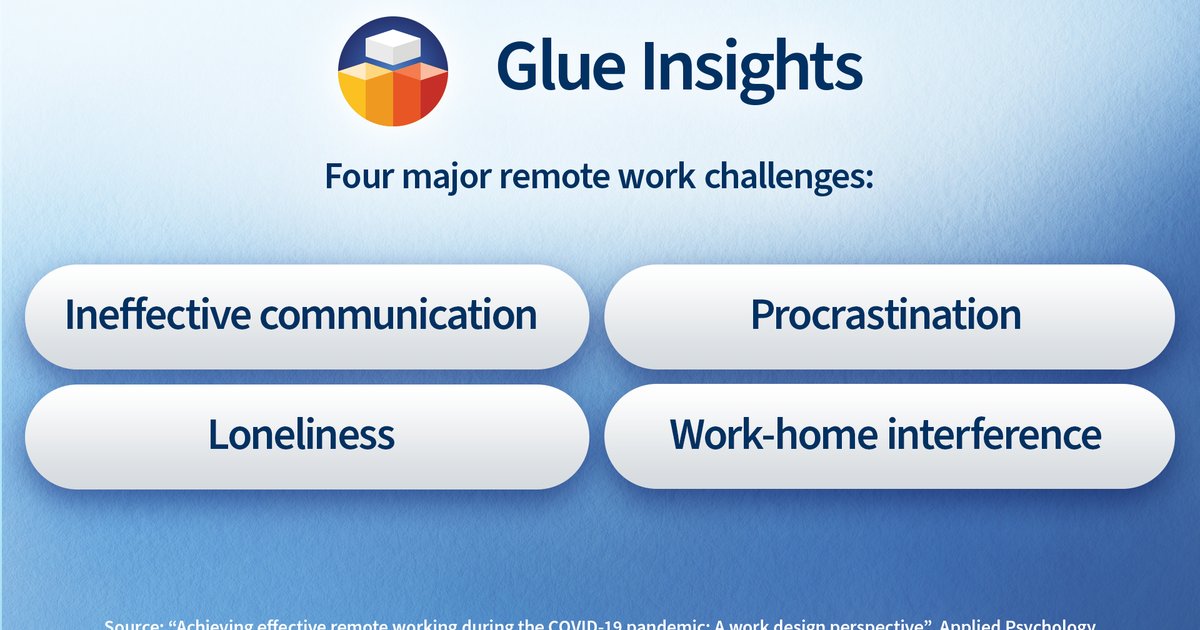
With the sudden shift to remote work, several questions have emerged regarding how managers will handle their subordinates, particularly concerning internet costs. As this system is implemented, it has become essential to determine who will bear the cost of the internet package, sparking widespread debate among employees and managers.
Many companies had prepared for this transition, but the practical challenges were unexpected. While employees were accustomed to working from offices, they now find themselves in a new environment that requires greater flexibility and effective collaboration.
Managerial Responses to Remote Work
In the early days of remote work, managerial responses varied significantly. Some decided to cover the internet costs, while others chose to place the responsibility on employees. This divergence in policies raised questions about how human resources will be managed under these new circumstances.
Communication among teams has become more crucial than ever. Managers who have managed to maintain effective communication with their teams have been able to alleviate tensions arising from uncertainty. Additionally, the use of modern technology tools has facilitated communication and information sharing.
Background & Context
With the spread of the COVID-19 pandemic, many companies were forced to reassess their work strategies. Remote work has become a necessity rather than an option, prompting organizations to think about how to maintain productivity while ensuring employee comfort.
Historically, remote work was not common in many Arab countries, but the pandemic has radically changed this concept. Companies that had adopted this system before the pandemic were able to adapt more quickly, while others faced significant difficulties.
Impact & Consequences
The challenges faced by managers and employees in the early days of remote work may influence how work is managed in the future. Companies that adopt flexible policies will be able to attract talent and maintain high levels of productivity.
It is also important for companies to adopt clear strategies for defining responsibilities, including internet costs. This will help avoid potential conflicts between employees and management.
Regional Significance
The shift to remote work may have both positive and negative effects on the job market in the Arab region. On one hand, it can open up new opportunities, while on the other hand, it may exacerbate digital divides between countries.
Arab countries need to invest in digital infrastructure to ensure the success of this transition. Additionally, enhancing the digital skills of the workforce will be essential to keep pace with rapid changes in the job market.
In conclusion, remote work represents both a challenge and an opportunity. Companies that can adapt to these changes will remain competitive in the market, while others will struggle to survive.