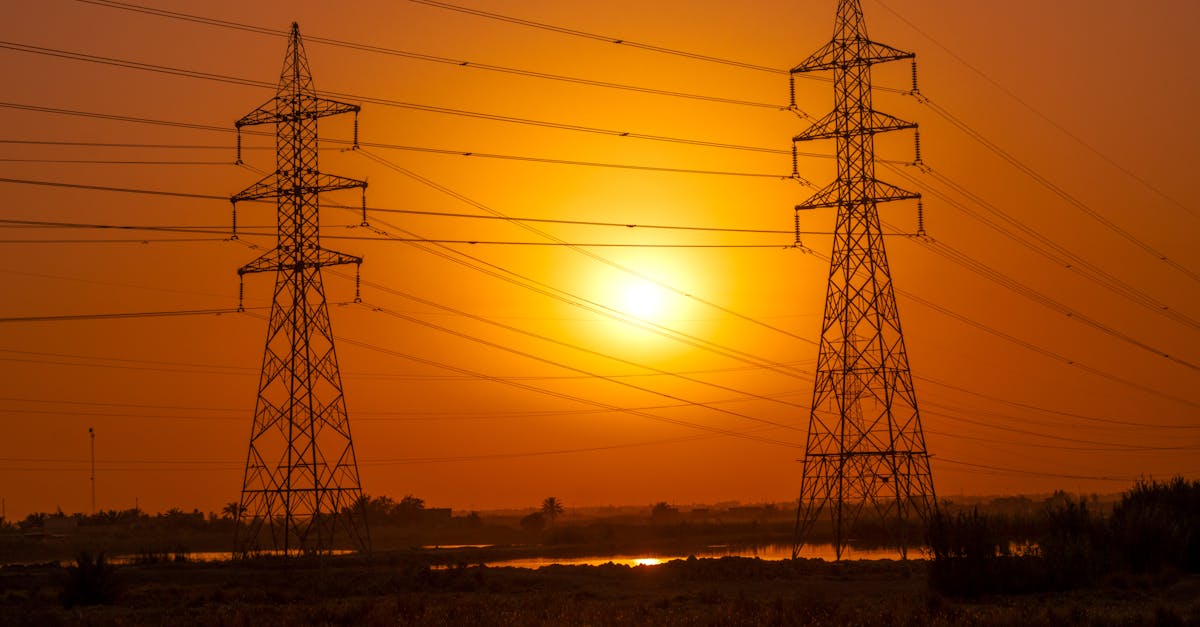
Iraq is currently experiencing a severe electricity crisis, with citizens suffering from frequent power outages that negatively impact their daily lives. This crisis is not merely a technical issue; it underscores the urgent need to diversify the Iraqi economy, which heavily relies on oil.
The electricity crisis in Iraq is exacerbated by several factors, including administrative corruption, poor planning, and weak investments in the energy sector. Despite Iraq's vast natural resources, these resources have not been optimally utilized to meet the growing needs of the population.
Details of the Crisis
Reports indicate that Iraq requires substantial investments in the energy sector to develop its electrical infrastructure. The Iraqi government has announced plans to improve the electrical grid, yet implementation remains slow. Meanwhile, citizens endure prolonged power outages, forcing them to rely on private generators, which increases their financial burdens.
Statistics show that Iraq needs approximately 20 gigawatts of additional power to meet current demand. However, the existing electrical grid capacity does not exceed 14 gigawatts, indicating a significant gap that requires urgent solutions.
Background & Context
Historically, Iraq has heavily depended on oil as a primary source of revenue. With the decline in oil prices in recent years, it has become essential to consider economic diversification. The current electricity crisis serves as a wake-up call for the government and the Iraqi community to take serious steps towards developing other sectors such as agriculture and industry.
Over the years, Iraq has faced numerous economic crises, but the electricity crisis is one of the most impactful on citizens' lives. The instability in energy provision affects all aspects of life, from education to health, necessitating a comprehensive response from the government and society.
Impact & Consequences
The electricity crisis directly impacts the Iraqi economy by hindering both foreign and local investments. Companies that rely on electrical power face operational difficulties, leading to reduced job opportunities and increased unemployment rates.
Moreover, power outages affect essential services such as education and healthcare, exacerbating the suffering of citizens. Under these circumstances, it is crucial for the government to adopt effective strategies to improve the electrical situation and provide sustainable alternatives.
Regional Significance
The electricity crisis in Iraq exemplifies the challenges faced by many Arab countries that rely on oil. Economic diversification has become an urgent necessity to confront future crises. Other Arab nations can learn from Iraq's experience to avoid falling into the same trap.
Ultimately, the current situation in Iraq requires serious steps towards economic diversification and improvement of electrical infrastructure. Addressing the electricity crisis is not just a technical issue but a fundamental step towards building a sustainable future for the Iraqi economy.