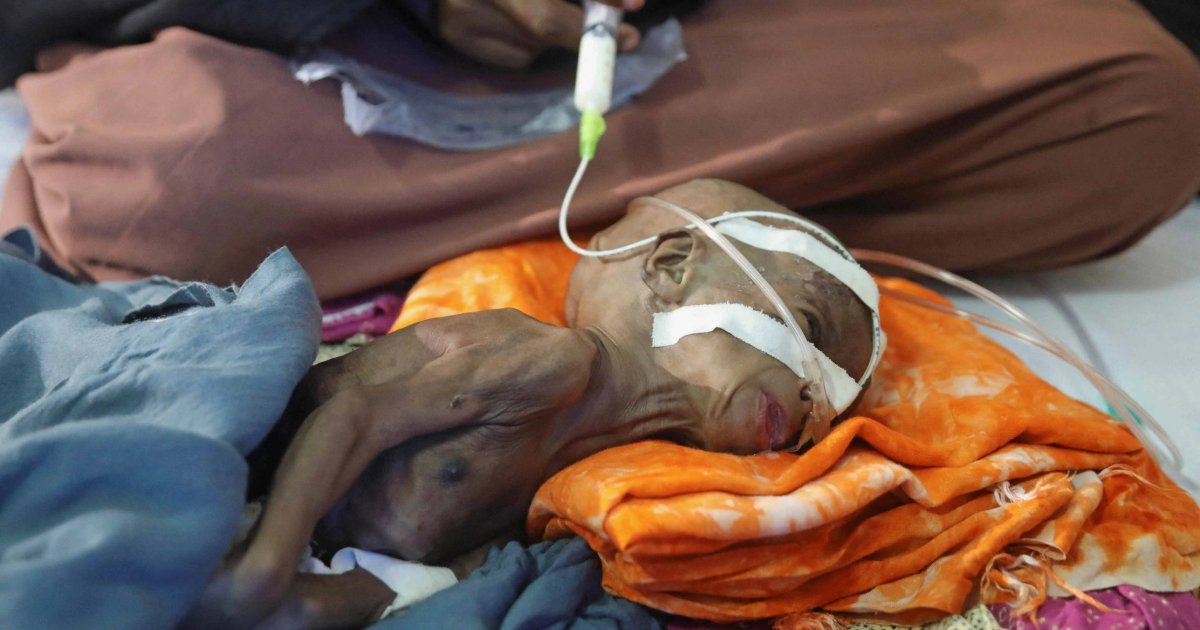
Nearly half a million children under five in Somalia are suffering from acute malnutrition or wasting, one of the most dangerous forms of hunger threatening lives. Reports indicate that this food crisis is exacerbated by ongoing conflicts, climate change, and a lack of food supplies.
Statistics show that the number of children suffering from malnutrition in Somalia has doubled in recent years, raising concerns among humanitarian organizations. Children with severe wasting require immediate medical care, as this condition leads to weakened immunity and increased risk of death.
Details of the Crisis
Reports indicate that the situation in Somalia has reached alarming levels, with children suffering from severe deficiencies in essential nutrients. Under these circumstances, the need for humanitarian assistance has significantly increased. International organizations such as the United Nations Children’s Fund (UNICEF) have warned that the situation may deteriorate further if urgent actions are not taken.
Political and economic crises are exacerbating this problem, as many families are suffering from extreme poverty, making it difficult for them to provide adequate food for their children. Additionally, armed conflicts in some regions hinder relief efforts and the distribution of aid.
Background & Context
Historically, Somalia has faced recurring food crises, but the current situation is among the worst. This is due to a combination of factors, including ongoing droughts that have affected agriculture, as well as armed conflicts that have displaced many families.
Somalia is considered one of the countries most affected by climate change, where harsh weather conditions worsen food crises. Furthermore, the lack of international support complicates the situation, as the country needs investments in agricultural infrastructure to improve food productivity.
Impact & Consequences
The malnutrition crisis significantly affects children's health, as it can lead to chronic health problems and impact their mental and physical development. These crises do not only affect individuals but also the community as a whole, as malnourished children become more susceptible to diseases, increasing the burden on the healthcare system.
Moreover, these crises can exacerbate social and political conflicts, as poverty and hunger can lead to increased tensions between communities. Therefore, addressing this crisis requires a comprehensive response from all stakeholders involved.
Regional Significance
The crisis affecting children in Somalia serves as a wake-up call for other Arab countries, as food crises can easily spread across borders. Stability in Somalia has a direct impact on food security in the region, necessitating greater cooperation among Arab nations to tackle these challenges.
These tragic conditions require ongoing international support, as humanitarian aid alone is insufficient. There must be long-term strategies aimed at improving living conditions and enhancing food security in Somalia.