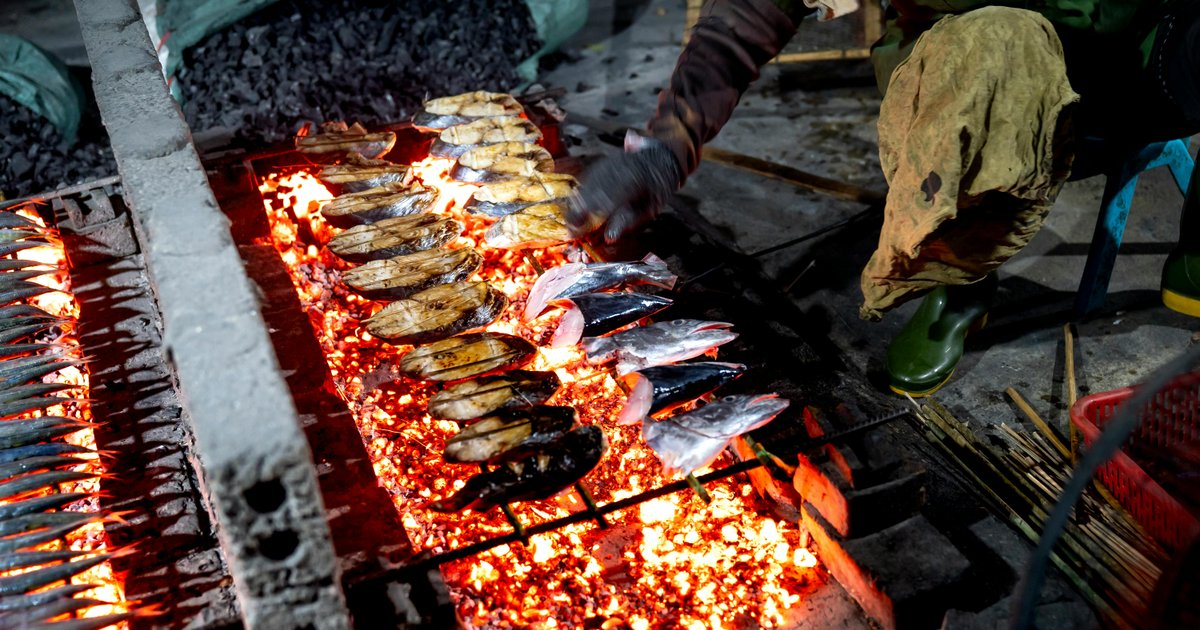
Iraq is grappling with a worsening environmental crisis due to significant tree depletion, with activists noting that this depletion is particularly focused on rare and ancient trees. The primary reason behind this phenomenon is the increasing demand for cooking masgouf fish, a widely popular dish in the country.
Reports indicate that Iraq has lost more than one million trees in just two years, raising concerns about the environmental and social impacts of this depletion. Trees are not only a source of timber but also play a vital role in maintaining ecological balance, providing oxygen, and supporting biodiversity.
Details of the Event
Ancient trees are considered part of Iraq's natural heritage, contributing to shaping landscapes and providing habitats for various living organisms. As the demand for masgouf fish, which is typically cooked over charcoal sourced from these trees, increases, this natural resource faces significant threats.
There are growing fears that the continuation of this depletion could lead to dire environmental consequences, including desertification and deteriorating air quality. Additionally, the loss of trees negatively impacts local communities that rely on these resources for their daily lives.
Background & Context
Historically, Iraq was rich in forests and trees, but the past decades have seen a significant decline in this resource. Wars and conflicts, along with unsustainable agricultural policies, have contributed to the degradation of vegetation cover. However, the demand for masgouf fish has notably increased, exacerbating the problem.
This phenomenon is part of a larger crisis concerning natural resources in Iraq, where the government and civil society are striving to find sustainable solutions to protect the environment. Nevertheless, the challenges are substantial, requiring a balance between economic needs and environmental preservation.
Impact & Consequences
The ongoing depletion of trees can lead to negative effects on the local climate, as trees help regulate temperature and humidity. Moreover, the loss of forests can increase the risks of flooding and desertification, affecting agriculture and food security in the country.
Furthermore, the social impacts of this depletion could be profound, potentially leading to displacement from rural areas and increased poverty. Communities that depend on forests for their livelihoods will face significant challenges in the future if this trend continues.
Regional Significance
The issue of natural resource depletion is common in many Arab countries, where several nations face similar environmental challenges. Preserving forests and natural resources is vital for ensuring environmental sustainability in the region.
Iraq's experience can serve as a lesson for other countries in the region, as governments and local communities must work together to protect the environment and ensure the sustainability of natural resources. Raising environmental awareness and implementing sustainable policies can contribute to improving the environmental situation in the region.
The ongoing depletion of trees in Iraq due to cooking masgouf fish highlights the urgent need for environmental protection. It requires joint efforts from the government and civil society to ensure the sustainability of natural resources for future generations.