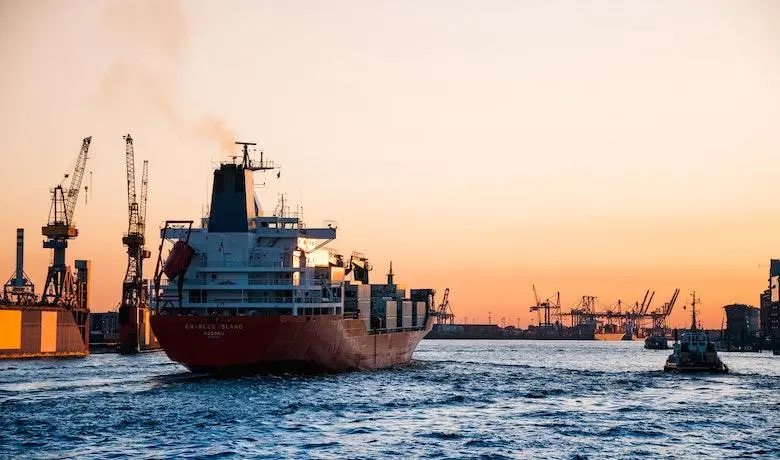
Sailors stranded in the Arabian Gulf are enduring harsh conditions after spending long weeks awaiting solutions to their problems. These sailors, who hail from various nationalities, are facing significant challenges including shortages of food and water, along with the psychological pressures stemming from uncertainty about their future.
Reports indicate that these sailors were on a commercial voyage, but unexpected circumstances have delayed their return. They have expressed concerns about the worsening situation, as fatigue and anxiety have taken hold, necessitating intervention from local and international authorities to resolve their crisis.
Details of the Situation
Concerns are escalating among the stranded sailors in the Gulf, as information suggests they are stuck on their ships without the ability to disembark. Some are suffering from severe shortages of basic supplies, exacerbating their suffering. Meanwhile, the steps to be taken by the relevant authorities to address this crisis remain unclear.
The reasons behind this situation are manifold, including legal and administrative complexities related to the necessary docking permits. Additionally, some sailors have reported that they have not received any clear information regarding their return timeline, which heightens their anxiety.
Background & Context
Historically, the Arabian Gulf has witnessed numerous crises related to sailors, especially amid the region's volatile political and economic conditions. These crises often pertain to maritime disputes or sanctions imposed on certain countries, affecting trade and maritime transport.
In recent years, incidents disrupting navigation in the Gulf have increased, leading to repeated cases of sailors stranded at sea. These crises highlight the need for improving the legal and administrative frameworks governing maritime transport to ensure the safety and rights of sailors.
Impact & Consequences
This crisis directly affects the sailors and their families, who are living in a state of constant anxiety. The situation may also impact the reputation of the ship-owning companies, potentially leading to negative economic repercussions. If this crisis is not resolved swiftly, matters may escalate, leading to protests from the sailors and their families.
Furthermore, this issue may attract the attention of humanitarian and international organizations, potentially resulting in interventions by human rights bodies to ensure the rights of sailors and provide them with necessary assistance.
Regional Significance
This issue exemplifies the challenges faced by the Arab region in maritime transport, where humanitarian issues intersect with economic and political concerns. Improving the conditions of sailors and ensuring their rights is essential for maintaining stability in the maritime sector of the Gulf.
Ultimately, the concerned countries must take urgent steps to resolve the plight of the stranded sailors to ensure their safety and rights. Effectively addressing this issue could contribute to enhancing the region's image and boosting confidence in the maritime transport sector.