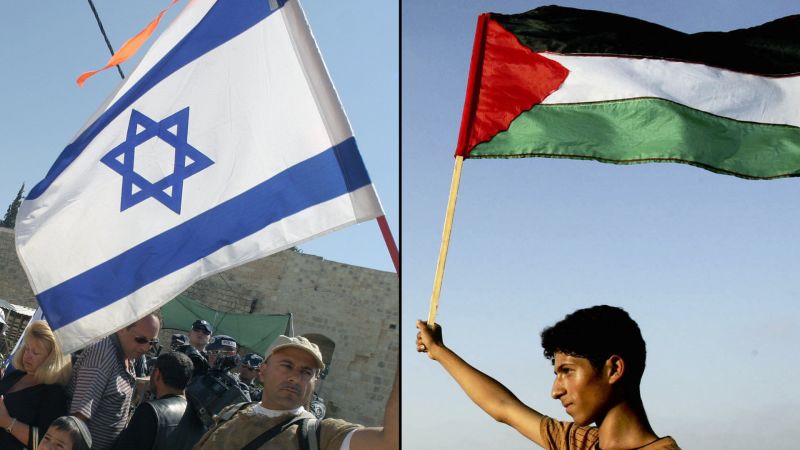
The Israeli authorities have detained a young man for wearing a kippa that combines the flags of Palestine and Israel, igniting widespread debate about cultural symbols and their influence on the ongoing conflict. The young man, who preferred to remain anonymous, stated that his choice to wear the kippa was a reflection of his vision for peace and coexistence between the two peoples, rather than an act of provocation against the authorities.
On the day of the incident, the young man was strolling through a market in Jerusalem when he was apprehended by Israeli police. The authorities questioned him about the reason for wearing the kippa, considering the act could incite unrest. The young man expressed his astonishment at the reaction, pointing out that the kippa carries deep religious and cultural meanings.
Details of the Incident
The detention has sparked varied reactions on social media, with some viewing the act as a suppression of freedom of expression, while others argue that local laws must be respected. This incident reflects the deep-seated tensions that exist in the region.
Historically, cultural and religious symbols have played a significant role in the Israeli-Palestinian conflict. The kippa, as a Jewish symbol, holds profound significance in Jewish culture, while the Palestinian flag represents Palestinian national identity. The use of these symbols together reflects a desire for coexistence, but under current circumstances, it may be misinterpreted.
Background & Context
The Israeli-Palestinian conflict is one of the most complex conflicts in modern history, extending over seven decades. This conflict is not only political but also encompasses cultural and religious dimensions that affect the lives of millions. This incident raises questions about freedom of expression in the occupied territories, where any expression of opinion is often deemed contrary to Israeli policies.
Impact & Consequences
The arrest could lead to further polarization between communities, as some feel that any attempt at rapprochement is met with rejection. Additionally, these events impact relations between Arab countries and Israel, where some seek to improve relations while others feel that such efforts contradict Palestinian rights. These dynamics play a crucial role in shaping regional policies.
Regional Significance
This incident sheds light on issues of freedom of expression and coexistence within the context of the Israeli-Palestinian conflict, making it an important topic for discussion. It highlights the ongoing struggle for recognition and understanding between different cultural identities in a region marked by conflict.
In conclusion, the young man's experience serves as a reminder of the complexities surrounding cultural symbols and their interpretations in a fraught political landscape. It underscores the need for dialogue and understanding in the pursuit of peace.