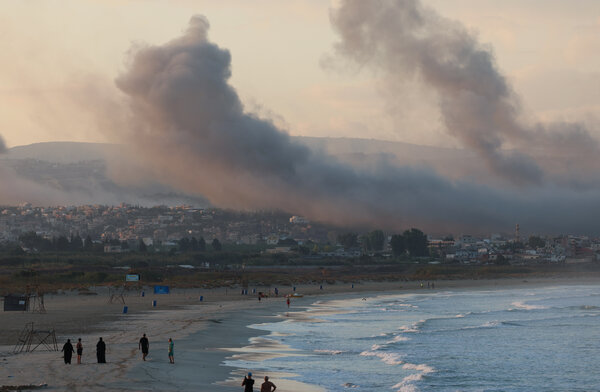
Fears are rising for Lebanon's cultural heritage after Israeli airstrikes targeted sites near ancient landmarks in Tyre, which is listed as a UNESCO World Heritage site. These strikes raise deep concerns about the safety of historical sites that are integral to Lebanon's cultural identity.
One of the strikes resulted in several civilian casualties, along with the destruction of a home within a protected historical area, leading to significant damage. These events reflect an ongoing escalation in regional tensions, as Israeli airstrikes target civilian and archaeological sites, raising questions about the protection of cultural heritage in conflict zones.
Details of the Incident
In recent days, Israeli forces have launched airstrikes on the city of Tyre, one of the oldest cities in the world, home to many significant archaeological sites such as Roman temples and ancient churches. These strikes come at a sensitive time, as Lebanon grapples with increasing economic and political crises.
Reports indicate that the strikes targeted areas close to archaeological sites, threatening their integrity. Local sources have reported extensive damage to infrastructure, exacerbating the suffering of local residents who are already enduring economic hardships.
Background & Context
Historically, Tyre has been an important commercial and cultural center in the Mediterranean, witnessing numerous civilizations over the ages. Its inclusion on the World Heritage list reflects its cultural significance, making it a potential target in regional conflicts.
Concerns are mounting that the continuation of airstrikes could lead to irreparable destruction of cultural heritage, alarming the international community. Many experts have called for the protection of archaeological sites from armed conflicts, emphasizing the importance of preserving cultural heritage as part of human identity.
Impact & Consequences
These events underscore the challenges faced by nations in preserving their cultural heritage amid armed conflicts. The destruction of archaeological landmarks not only affects the cultural identity of nations but also impacts tourism and the local economy.
Moreover, the increase in attacks on archaeological sites may provoke international reactions, as international organizations could intervene to protect cultural heritage. This could increase pressure on Israel to cease these attacks, potentially altering the dynamics of the ongoing conflict.
Regional Significance
The events in Lebanon are part of a larger picture concerning conflicts in the region. The destruction of cultural heritage in Lebanon may raise concerns in other countries suffering from conflicts, such as Syria and Iraq, where many archaeological sites have experienced similar destruction.
Additionally, these events may foster cooperation among Arab nations to protect cultural heritage, reflecting the importance of culture as a unifying factor in facing common challenges.
In conclusion, the current situation in Lebanon requires urgent international attention to protect cultural heritage, as the continuation of Israeli airstrikes could lead to the loss of a significant part of Lebanon's cultural identity and that of the region as a whole.