The pace of political and security movements between the United States and Iran is accelerating, as President Donald Trump prepares for a crucial meeting in the 'Situation Room' today to discuss available options for addressing the Iranian file. This comes as American concerns about developments in the scene are rising, opening the door to options ranging from diplomacy to pressure.
In this context, an American official confirmed that the meeting will bring Trump together with the National Security team, reflecting the importance of the Iranian file on the American agenda. The White House has emphasized its firm stance, stating that it 'will not make any deal with Iran that does not prevent it from acquiring nuclear weapons,' reflecting Washington's commitment to a high negotiating ceiling.
Details of the Meeting
Sources revealed to Axios that there is a lack of consensus within the Iranian leadership on how to deal with American demands. Iranian Foreign Minister Abbas Araghchi indicated that there is no internal agreement on making concessions regarding the nuclear file, reflecting differing views among the factions of the Iranian regime.
In another development, Pakistan has conveyed the latest Iranian proposals to Washington in an attempt to advance mediation efforts. However, questions remain about the White House's readiness to engage with these proposals, which face ambiguity in the American position.
Background & Context
Iran has proposed a new approach that includes addressing the crisis in the Strait of Hormuz and the maritime blockade first, with an extension of the ceasefire for a long period before moving on to discuss the nuclear file. It has also suggested reopening the Strait of Hormuz, reflecting an attempt to separate issues and alleviate economic pressures.
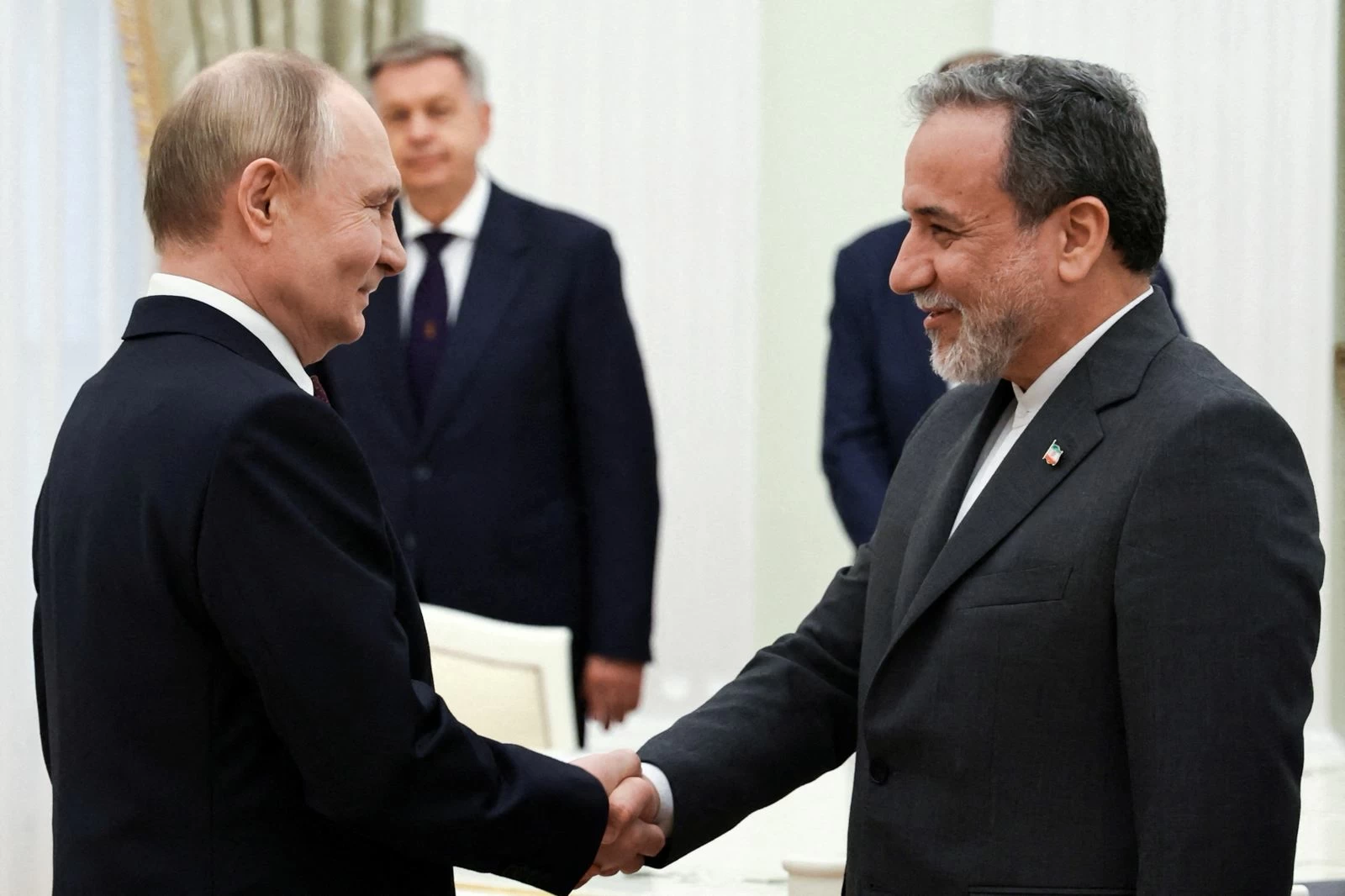
In this context, Iranian Foreign Minister Abbas Araghchi has arrived in St. Petersburg, Russia, where he is scheduled to meet with President Vladimir Putin and his counterpart Sergey Lavrov. Araghchi confirmed that the meetings with Moscow are part of ongoing consultations regarding regional and international issues, reflecting a political coordination that accompanies Iranian movements.
Impact & Consequences
Fears are growing over escalating tensions between the United States and Iran, as any miscalculated moves could lead to military escalation in the region. Additionally, divisions within the Iranian leadership may affect Tehran's ability to make decisive strategic decisions.
Moreover, diplomatic moves by Pakistan could reflect a larger role for regional countries in mediation, which may contribute to easing tensions. However, the question remains about how Washington will respond to these initiatives.
Regional Significance
This scenario represents an important development for the Arab region, as any escalations in U.S.-Iranian relations could impact the stability of Gulf states. Furthermore, any potential agreement could alter the power dynamics in the region, necessitating close monitoring by Arab countries.
In conclusion, the situation in Iran and the nuclear file remain under scrutiny, as challenges increase for all parties involved. These circumstances require balanced diplomatic strategies to maintain security and stability in the region.