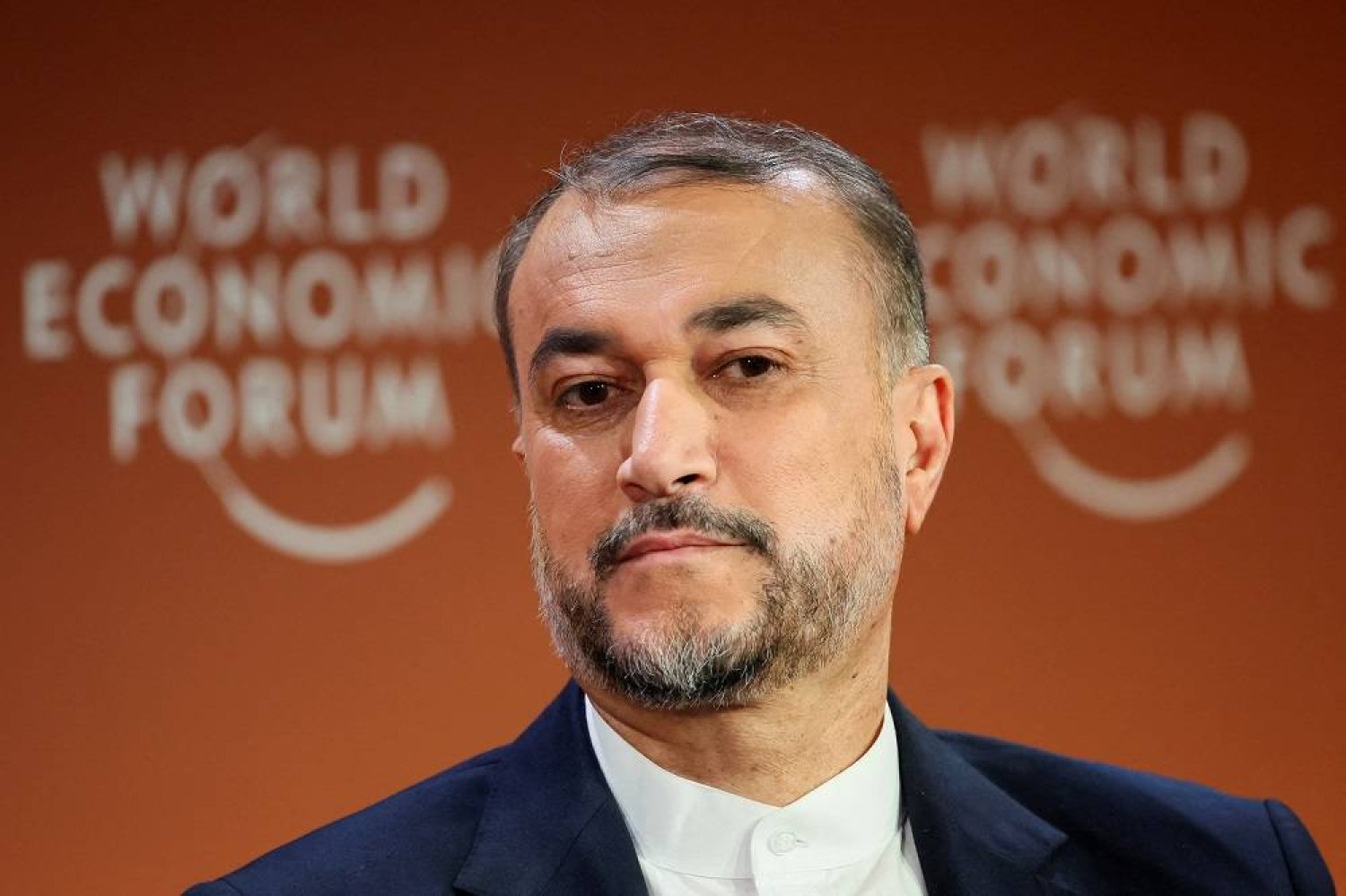
Iranian Foreign Minister Seyed Abbas Araqchi arrived in Islamabad on Sunday, April 26, aiming to present Iran's conditions for ending the ongoing conflict with the United States, with Pakistan playing a mediating role in these negotiations. This visit follows a rise in military tensions in the region, making it a significant step towards achieving stability.
According to reports from the Tasnim news agency, Araqchi's visit is not related to nuclear negotiations with the United States, but rather focuses on enhancing bilateral relations between Iran and Pakistan and discussing other issues related to regional security. Among the issues raised are the implementation of a new legal system in the Strait of Hormuz, demands for compensation for damages caused by the war, ensuring that attacks by "war instigators" do not recur, and lifting the maritime blockade imposed by the United States.
Details of the Visit
Araqchi, who visited Pakistan after a brief stop in Oman, aims to complete consultations with Pakistani officials during this visit. In his previous visit, he met with Pakistani Prime Minister Shahbaz Sharif and the Chief of Army Staff, General Asim Munir, where various security and political issues were discussed.
This visit comes at a sensitive time, as Iranian-American relations have escalated significantly following military attacks by Israel and the United States on Tehran on February 28, 2026, which resulted in the deaths of several Iranian leaders. Iran responded to these attacks with a series of missile strikes on American and Israeli targets in the region, exacerbating the situation.
Background & Context
Historically, relations between Iran and the United States have experienced increasing tensions, particularly after the United States withdrew from the nuclear agreement in 2018. Since then, the United States has imposed strict sanctions on Iran, affecting its economy and leading to heightened military tensions in the region. In this context, Pakistan plays an important role as a mediator between Iran and the United States, seeking to achieve stability in the region.
Recently, Iran and Pakistan have begun to enhance bilateral cooperation in various fields, including security and energy. This visit is part of Iran's efforts to expand its regional alliances in the face of American pressures.
Impact & Consequences
Araqchi's visit to Islamabad could lead to positive outcomes in efforts to end the ongoing conflict between Iran and the United States. If Pakistan succeeds in facilitating dialogue, it may contribute to easing tensions in the region and lead to greater stability. However, any failure in these negotiations could lead to a new escalation in the conflict, threatening regional security.
This visit is also a test of Pakistan's ability to play an effective mediating role in regional conflicts. Pakistan's success in this role could enhance its standing on the international stage and increase its influence in the region.
Regional Significance
Arab countries are directly affected by the tensions between Iran and the United States, as Iran plays a significant role in many regional conflicts. Any escalation in the conflict could impact security and stability in the Gulf Arab states, prompting Arab countries to take clear positions on these developments.
At the same time, these negotiations may open the door to new opportunities for cooperation between Arab countries and Iran, potentially contributing to stability in the region. Therefore, monitoring the outcomes of this visit will be of great importance to Arab nations.