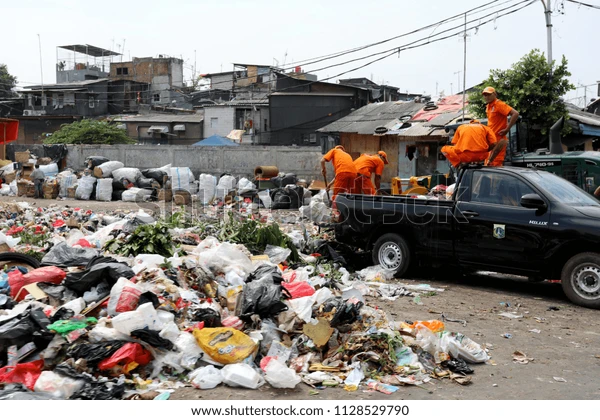
The government of West Jakarta (Pemkot Jakbar) has announced the reasons for the accumulation of waste in multiple areas, including Kalyaniyar, where restrictions have been imposed on the amount of waste allowed to be sent to the Integrated Waste Processing Center (TPST) in Bantar Gebang. Ahmad Haryadi, head of the environmental department in West Jakarta, explained that these restrictions were a result of the landslide that occurred on March 8.
Haryadi noted that the number of trucks allocated for transporting waste to TPST has decreased from 308 trucks daily to 190 trucks, meaning that approximately 118 trucks of waste cannot be transported each day. Despite this, residents continue to produce large quantities of waste, exacerbating the problem in Kalyaniyar and Tambora.
Details of the Incident
The accumulation of waste in Kalyaniyar has caused significant discontent among residents, with some using unauthorized sites for waste storage, further worsening the situation. Haryadi clarified that waste collection sites (TPS) were only designated for short-term waste storage before transportation, but residents have begun using them as permanent disposal sites.
This situation has sparked protests from residents, who have installed signs expressing their rejection of the presence of TPS in their areas. Mohammad Tayyib, head of a local association, confirmed that the accumulation of waste has not only impacted the environment but has also caused traffic congestion due to the location of TPS along the roadside.
Background & Context
The issue of waste management in Jakarta is one of the major challenges facing the government, as the city suffers from significant population growth and pressure on infrastructure. Previous plans have been put in place to improve waste management, but their implementation has been limited due to a lack of resources and funding.
Historically, the city has faced numerous environmental issues, including flooding and pollution, making waste management even more critical. The TPS is part of the efforts to improve the situation, but the lack of sufficient and suitable waste storage sites complicates matters.
Impact & Consequences
The consequences of waste accumulation in Kalyaniyar extend beyond local effects, as it can lead to greater health and environmental problems. The accumulation of waste can attract insects and pests, increasing the risk of diseases. The current situation may also affect the city's reputation as a tourist destination and increase pressure on the local government.
Moreover, the lack of effective waste management solutions could exacerbate environmental crises in the future, necessitating urgent intervention from the government and local community to find sustainable solutions.
Regional Significance
The issue of waste management is a global concern affecting many countries, including Arab nations. Many Arab cities face similar challenges in waste management, requiring the exchange of experiences and solutions among nations. Successful experiences in Jakarta could serve as a valuable lesson for Arab countries on how to address these issues.
Ultimately, solving the problem of waste accumulation in Kalyaniyar requires cooperation between the government and the local community, along with investments in infrastructure to improve waste management. Effectively addressing this issue can contribute to enhancing the quality of life in the city and bolster sustainable development efforts.