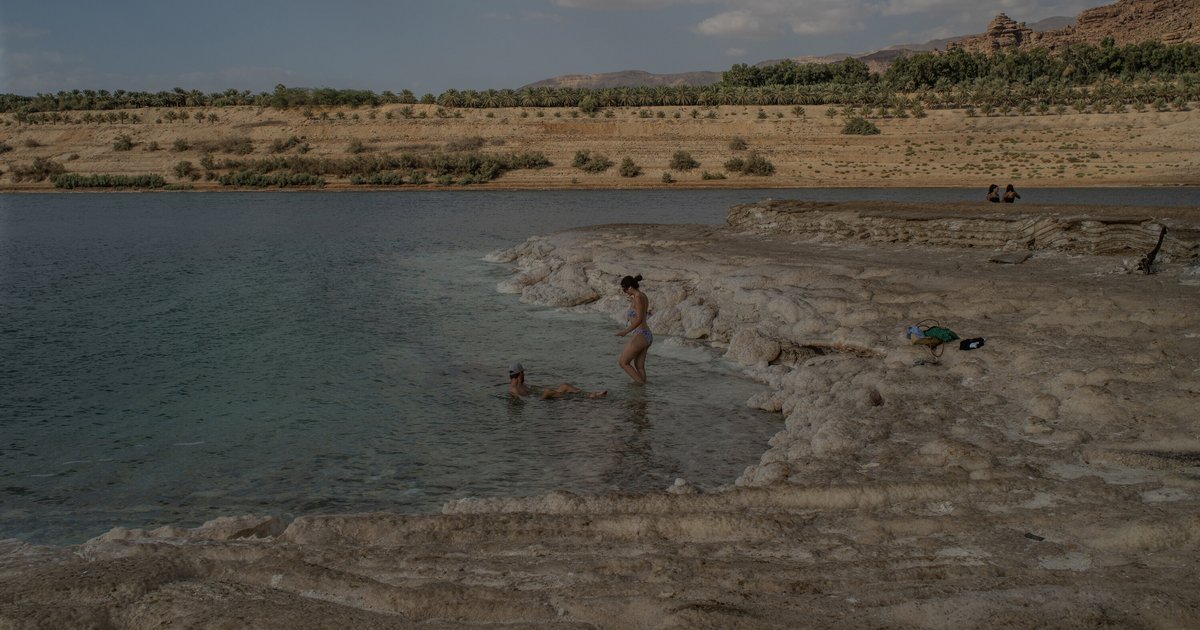
Authorities in Jordan have successfully addressed violations on water lines in the capital Amman, as well as in the provinces of Irbid and Mafraq. These measures are part of the government's efforts to protect water resources and ensure that all citizens have fair access to water.
Water is a vital resource that many countries, including Jordan, struggle to secure. Reports have shown that violations on water lines negatively impact the government's ability to provide this essential service to citizens.
Details of the Incident
As part of the ongoing campaign to combat violations on water networks, inspection teams from the Ministry of Water and Irrigation have conducted monitoring and follow-up operations in various regions. These operations have resulted in the detection of several violations, including illegal connections and water theft, leading to significant waste of this vital resource.
This campaign comes at a critical time, as Jordan is experiencing a severe water shortage due to harsh climatic conditions and limited water sources. The Ministry of Water has confirmed that these violations directly affect the government's ability to meet citizens' needs, especially during the summer when demand for water increases.
Background & Context
Jordan is one of the countries facing water scarcity, heavily relying on groundwater and surface water sources. In recent years, there has been an increase in cases of violations against water networks, prompting the government to take strict measures to address this phenomenon.
Historically, water in Jordan has been a sensitive issue, with the country experiencing conflicts over water resources with neighboring countries. With the growing population and increasing demand for water, the need to protect these resources has become more urgent than ever.
Impact & Consequences
Violations on water lines directly affect the government's ability to provide water to citizens, potentially exacerbating water crises in the country. These violations also impact the trust between citizens and government entities, as some feel that the government is unable to protect their rights to access water.
On the other hand, the continuation of this phenomenon could worsen the economic and social conditions in the country, as many sectors, such as agriculture and industry, rely on the availability of water. Therefore, addressing this issue requires integrated efforts from all stakeholders involved.
Regional Significance
The issue of water is a vital concern facing many Arab countries, most of which suffer from water resource scarcity. In light of climate change and population growth, the challenges associated with securing water are increasing. Thus, Jordan's experience in addressing violations on water lines may serve as a model for other countries in the region.
In conclusion, the current situation in Jordan requires a concerted effort between the government and citizens to protect water resources and ensure their sustainability for future generations. Awareness of the importance of water and its conservation should be part of the community culture to ensure a better future for all.