Crises are unfolding on the global stage, with the United States experiencing a wave of destructive wildfires while Somalia suffers from a severe hunger crisis. These crises represent significant challenges that require urgent responses from the international community.
In the United States, wildfires continue to spread across several states, leading to the evacuation of thousands of residents and the destruction of vast areas of land. Local authorities are working diligently to contain the flames, but harsh weather conditions are complicating firefighting efforts.
Details of the Events
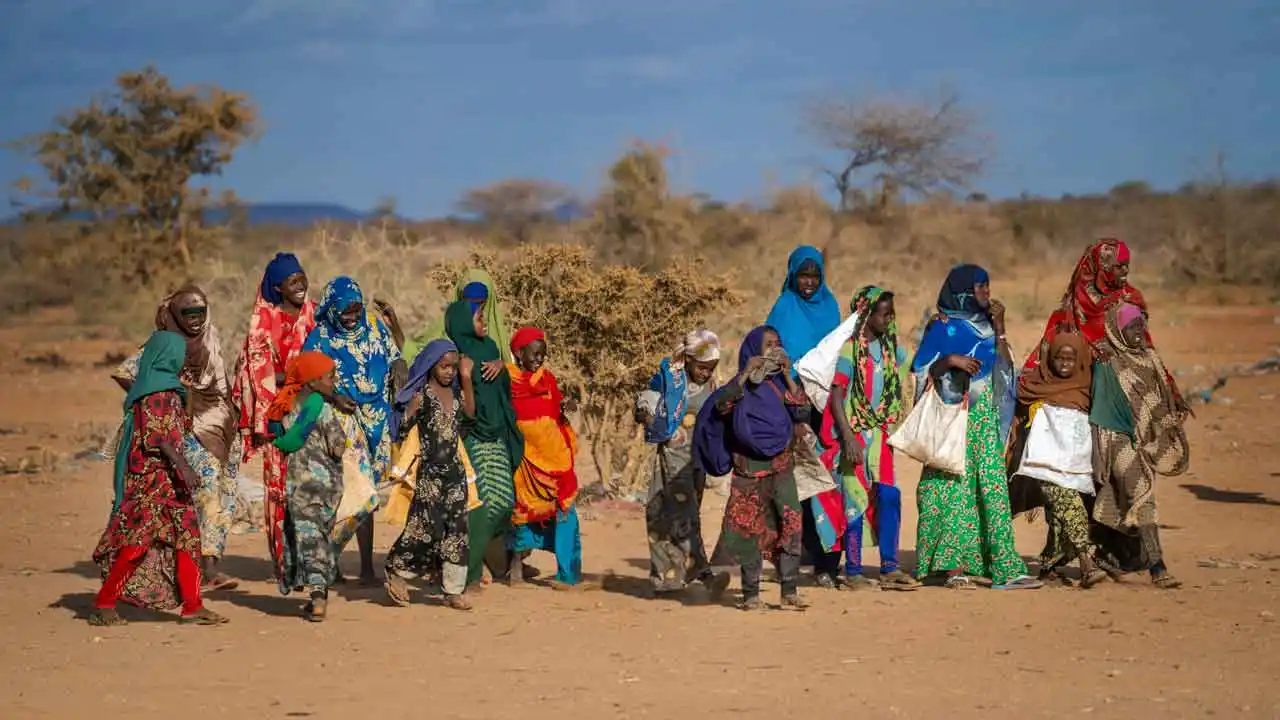
Reports indicate that the wildfires in the United States have claimed numerous lives and destroyed homes and properties. Simultaneously, Somalia is facing an unprecedented hunger crisis due to ongoing drought and armed conflicts. Estimates suggest that over 7 million people in Somalia are in urgent need of food assistance.
Concerns are growing about the worsening situation in Somalia, where residents are suffering from acute shortages of food and water. Humanitarian organizations warn that the situation could deteriorate further without immediate support.
Background & Context
These crises coincide with climate change impacts affecting many regions worldwide. Wildfires in the United States are not new, but they have become more severe and frequent in recent years, reflecting the influence of climate change on the environment.
In Somalia, humanitarian crises are exacerbated by ongoing conflicts that hinder relief efforts. The history of Somalia is fraught with challenges, having endured civil wars and political strife that have led to the deterioration of economic and social conditions.
Impact & Consequences
These crises significantly impact food and health security in the affected countries. The wildfires in the United States may lead to increased food prices, while hunger in Somalia could trigger new waves of displacement and increase pressure on neighboring countries.
These crises require a coordinated response from the international community, where wealthy nations must provide support to the affected countries. Efforts to combat climate change and improve resilience to changing conditions must also be strengthened.
Regional Significance
The crises in the United States and Somalia have a direct impact on the Arab region, potentially leading to increased food prices and worsening humanitarian conditions in neighboring countries. Additionally, climate change may affect food security in Arab nations, necessitating urgent measures.
In conclusion, these crises highlight the urgent need for international cooperation to address shared challenges. There must be an immediate and effective response to ensure the protection of lives and achieve food security worldwide.