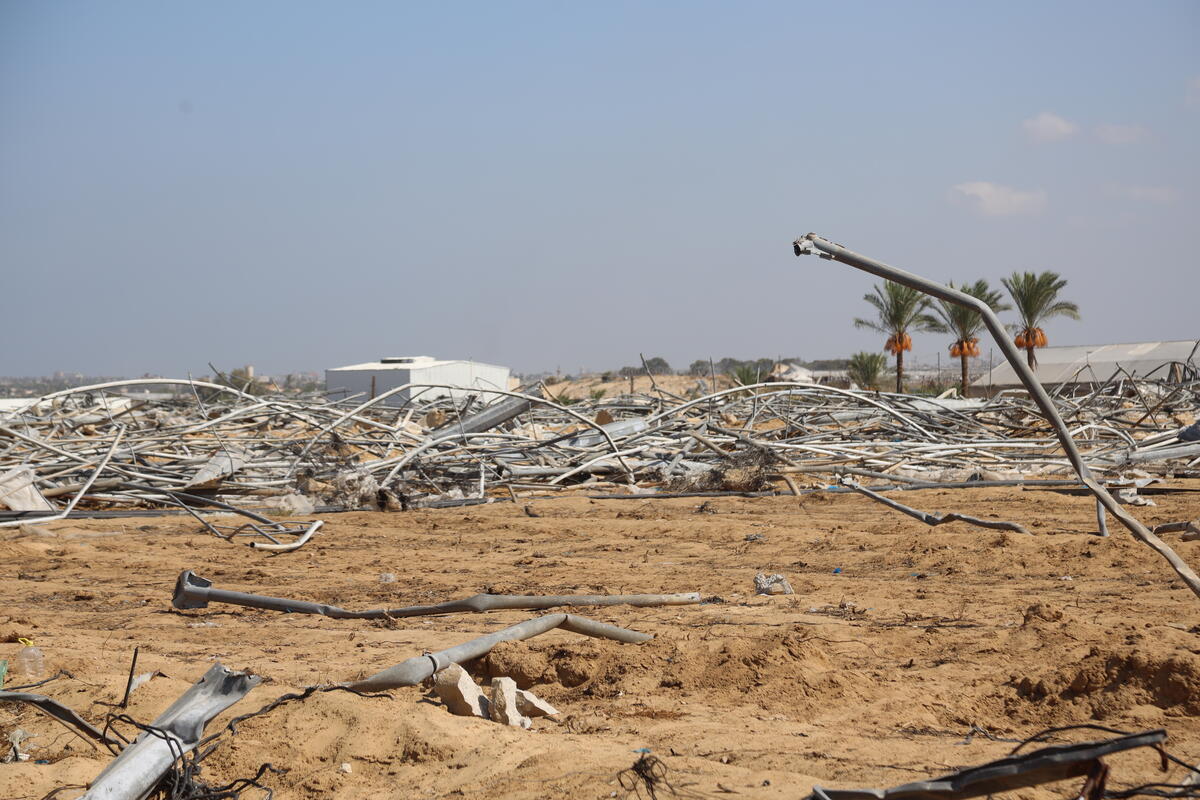
Questions are rising about the threats facing Arabs amid ongoing conflicts. Who bears the responsibility for these challenges, and what factors influence the Arab situation? As the intensity of conflicts in the region escalates, the question arises about who is accountable for these threats and what dimensions may affect the future of Arabs.
The crises affecting the region are numerous, ranging from armed conflicts in certain countries to economic and social crises. These conditions present significant challenges for Arabs that require collective efforts to confront. In this context, many wonder about the role of Arab governments in addressing these issues and whether there are effective strategies to deal with these threats.
Details of the Current Conflicts
The Arab region is witnessing numerous conflicts that directly impact security and stability. From the conflict in Syria to the situations in Libya and Yemen, the challenges facing Arab countries are increasing. These conflicts are not merely local disputes; they have regional and international implications that require a coordinated response from Arab nations.
At the same time, Arab countries are facing economic pressures due to global crises, complicating the situation further. Rising oil prices, the repercussions of the COVID-19 pandemic, and climate change are all factors casting shadows over economic and social stability in the region.
Background & Context
Historically, the Arab region has witnessed numerous conflicts that have led to the disintegration of some countries and increased tensions among peoples. These conflicts are often the result of foreign policies or international interventions, further complicating the situation. For example, the conflict in Iraq after 2003 had far-reaching effects on regional security.
Moreover, economic and social challenges, such as unemployment and poverty, play a significant role in exacerbating crises. These factors make it difficult for Arab countries to achieve stability and sustainable development.
Impact & Consequences
The current conflicts significantly affect regional security, as the risks of extremism and violence increase. Additionally, these crises lead to increased migration and displacement, placing additional pressures on neighboring countries.
Furthermore, economic crises affect the ability of Arab nations to invest in education and health, negatively impacting the future of coming generations. The current situation requires an immediate and effective response from Arab governments and the international community.
Regional Significance
The current challenges require Arab countries to work collectively to address the crises. Cooperation among Arab nations can contribute to enhancing security and stability, reducing the impact of conflicts on peoples. Moreover, promoting economic and social development is essential for improving the living conditions of citizens.
In conclusion, the current situation necessitates that Arab countries consider new strategies to confront the challenges. It is crucial to have a shared vision for dealing with crises and providing the necessary support to affected countries. Collective action is the only way to achieve security and stability in the region.