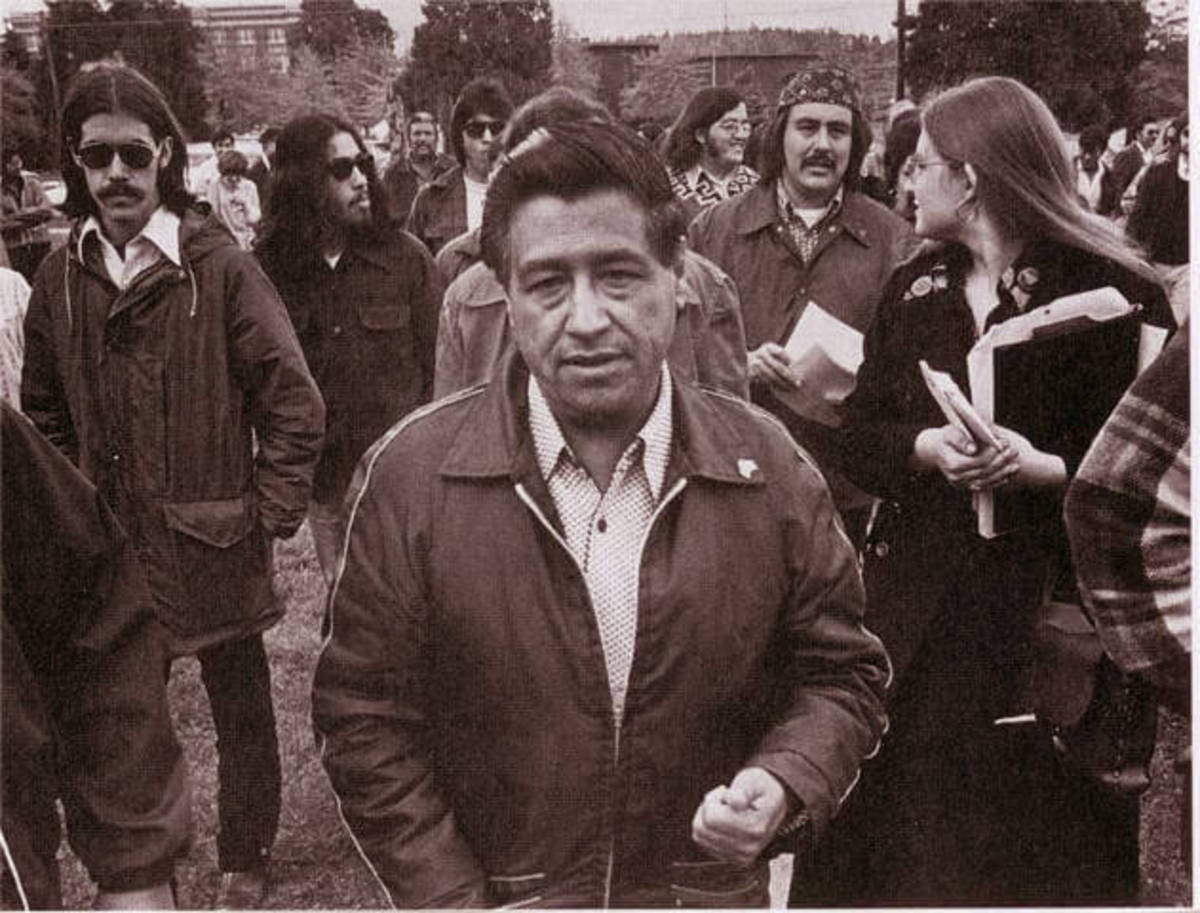
Supporters of American activist Cesar Chavez are grappling with painful questions about how to handle his legacy amid current social and political challenges. Chavez, regarded as a symbol of the struggle for workers' rights, leaves behind a complex legacy that requires reevaluation. Over time, voices calling for a reconsideration of his positions and actions have increased, sparking widespread debate among his supporters.
Chavez, who founded the United Farm Workers in the 1950s, played a prominent role in improving working conditions for Latino American farmers. However, some of his political and social stances have sparked controversy regarding their alignment with modern values. While some celebrate his legacy, others express concern over certain views that may be seen as contradictory to contemporary principles of social justice.
Details of the Current Debate
In recent years, the discussion surrounding Chavez's legacy has intensified, particularly with the rise of the civil rights movement in the United States. His supporters are questioning how to preserve his legacy without overlooking the more problematic aspects of his life. Some local communities have begun reevaluating Chavez's statues and places of honor, which has elicited mixed reactions from both his supporters and opponents.
In this context, many critics have pointed out that Chavez held rigid stances on certain issues, such as immigration, making him a complex figure. While some view him as a hero, others believe he held opinions that may not align with modern humanitarian values.
Background & Context
Historically, Cesar Chavez played a pivotal role in the labor rights movement in the United States, leading numerous strikes and demonstrations to improve working conditions. Born in 1927 to a family of farmers, Chavez experienced difficult circumstances in his childhood, which motivated him to engage in social work. He founded the United Farm Workers in 1962 and achieved significant successes in improving wages and working conditions.
Despite his accomplishments, his legacy is not without controversy. He faced criticism for some of his positions, which some considered to be intolerant or incompatible with values of tolerance and inclusivity. This debate surrounding his legacy reflects the challenges communities face in reevaluating their historical symbols.
Impact & Consequences
The implications of this discussion extend beyond the United States, as the struggle over Chavez's legacy mirrors broader conflicts surrounding identity and social justice. While many strive to promote workers' rights and equality, reevaluating historical figures may lead to changes in how communities understand their history.
Moreover, this discussion highlights the importance of open dialogue regarding social and political issues. By reevaluating Chavez's legacy, communities can learn from the past and work towards building a more inclusive future.
Regional Significance
Although Chavez was an American activist, his legacy can resonate in the Arab region. The struggles for workers' rights and social equality are global issues, and activists in the Arab world can draw from Chavez's experiences in their fight for justice.
Additionally, the discussion surrounding Chavez's legacy can inspire social movements in the Arab world to reevaluate their historical symbols, emphasizing the importance of dialogue about the values and principles upon which modern societies should be built.