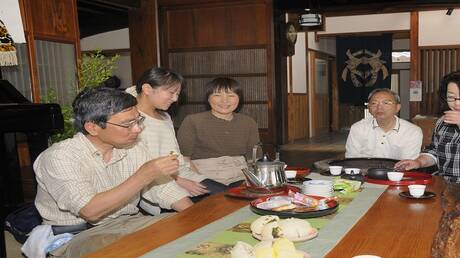
The 'Hara Hachi Bu' principle, which means eating until 80% full, is a simple and prevalent dietary habit in Japan, credited with enabling many Japanese people to live long lives. This rule not only limits food intake but is also linked to a holistic life philosophy aimed at achieving balance between body and mind.
The significance of this rule is evident in Japanese eating culture, which emphasizes quality over quantity. Japanese people are encouraged to consume balanced meals containing fresh and diverse ingredients, contributing to better overall health. Eating slowly and savoring each bite is part of this culture, helping to enhance the feeling of fullness before consuming large amounts of food.
Details of the Practice
The roots of the 'Hara Hachi Bu' principle trace back to Buddhist philosophy, where it is viewed as a spiritual practice aimed at enhancing self-awareness and moderation. It is believed that this rule helps reduce the risk of chronic diseases such as diabetes and heart disease, as centenarians in Japan show lower rates of these illnesses compared to other countries.
Studies indicate that eating until 80% full aids in weight control and reduces the risk of obesity. This practice also enhances the body's ability to respond to food more effectively, leading to improved energy levels and concentration.
Background & Context
Japan is one of the countries with the highest life expectancy in the world, with many individuals living to the age of 100 and beyond. This success is attributed to a combination of factors, including a healthy diet, regular physical activity, and good healthcare.
Japanese dietary habits also include the consumption of fish, vegetables, and rice, which provide essential nutrients for the body. Additionally, Japanese culture encourages eating in social settings, strengthening family and social bonds.
Impact & Consequences
Research shows that following the 'Hara Hachi Bu' rule can have positive effects on public health, not only in Japan but globally. This principle may serve as a model for many other cultures facing obesity and related health issues.
Adopting this habit could lead to improved quality of life and increased awareness of the importance of proper nutrition. It may also help reduce long-term healthcare costs by lowering rates of chronic diseases.
Regional Significance
In the Arab region, where obesity rates and related diseases are on the rise, the 'Hara Hachi Bu' principle could inspire a change in dietary habits. By raising awareness of the importance of moderate eating, this principle could contribute to improved public health and reduced health risks.
This habit presents an opportunity to promote healthy dietary traditions within Arab communities, potentially leading to better quality of life and increased awareness of the importance of proper nutrition.