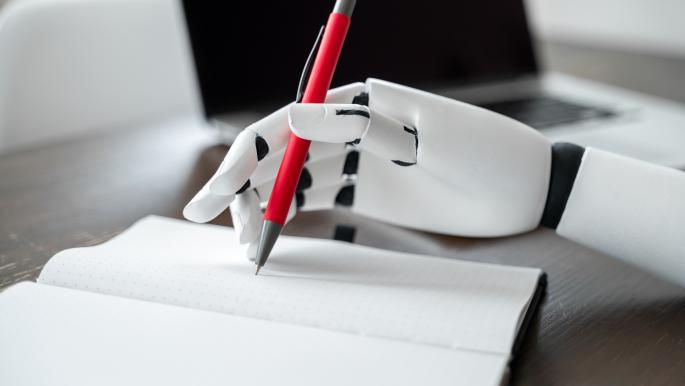
Recent reports indicate that AI-powered text detection tools, which aim to determine whether a text was created by a human or a machine, are producing inaccurate results. When classic literary texts or traditional news articles are inputted, the results frequently indicate that they are "AI-generated," which experts view as a significant problem with these tools.
This shift in the performance of detection tools raises questions about their reliability, as these tools were previously considered effective in identifying machine-generated texts. However, it appears that these tools are suffering from a lack of accuracy, leading to the misclassification of texts with literary or journalistic value as fraudulent works.
Event Details
Concerns are growing that these tools may be misused to tarnish the reputation of literary or journalistic works, as incorrect results could lead to accusations of fraud. For example, a classic novel might be classified as an AI-generated work, negatively impacting the authors' reputations and raising doubts about the quality of literary works.
Moreover, these tools may affect how artistic and literary works are evaluated, potentially leading to a decline in the appreciation of works deemed traditional or classic. Under these circumstances, developers and users of these tools must reassess how they are used and how results are interpreted.
Background & Context
In recent years, there has been a surge in the use of artificial intelligence across various fields, including writing and authorship. As reliance on this technology has increased, text detection tools have emerged as a means to combat machine-generated content. However, the inaccuracy of these tools could lead to counterproductive outcomes, as they may be used to discredit original works.
Historically, there have been multiple attempts to identify machine-generated texts, but as technology has advanced, these attempts have become more complex. Nevertheless, reliance on inaccurate tools may lead to unreliable results, raising questions about how to use this technology responsibly.
Impact & Consequences
The implications of this issue extend beyond being a technical matter, as they influence how we understand literature and art. If text detection tools continue to provide inaccurate results, this could erode trust in literary and artistic works, negatively impacting culture as a whole.
This issue also raises ethical questions about how artificial intelligence is used in creativity. There must be a balance between leveraging technology and preserving cultural and literary values. If these issues are not addressed, it could lead to a decline in the quality of literary and artistic production.
Regional Significance
In the Arab region, where literature and art are considered essential parts of cultural identity, this matter could have significant repercussions. Incorrect results from text detection tools could lead to a decline in the appreciation of Arabic literary works, threatening cultural diversity and affecting how new generations engage with literary heritage.
Furthermore, the use of these tools in educational contexts could distort students' understanding of literature and art. Educators must be aware of these issues and work to promote critical thinking among students regarding what they read.
In conclusion, there should be an ongoing dialogue about how to use artificial intelligence in literature and art, focusing on developing more accurate and reliable tools. Maintaining the quality of literary and artistic works requires all of us to be aware of the challenges posed by modern technology.