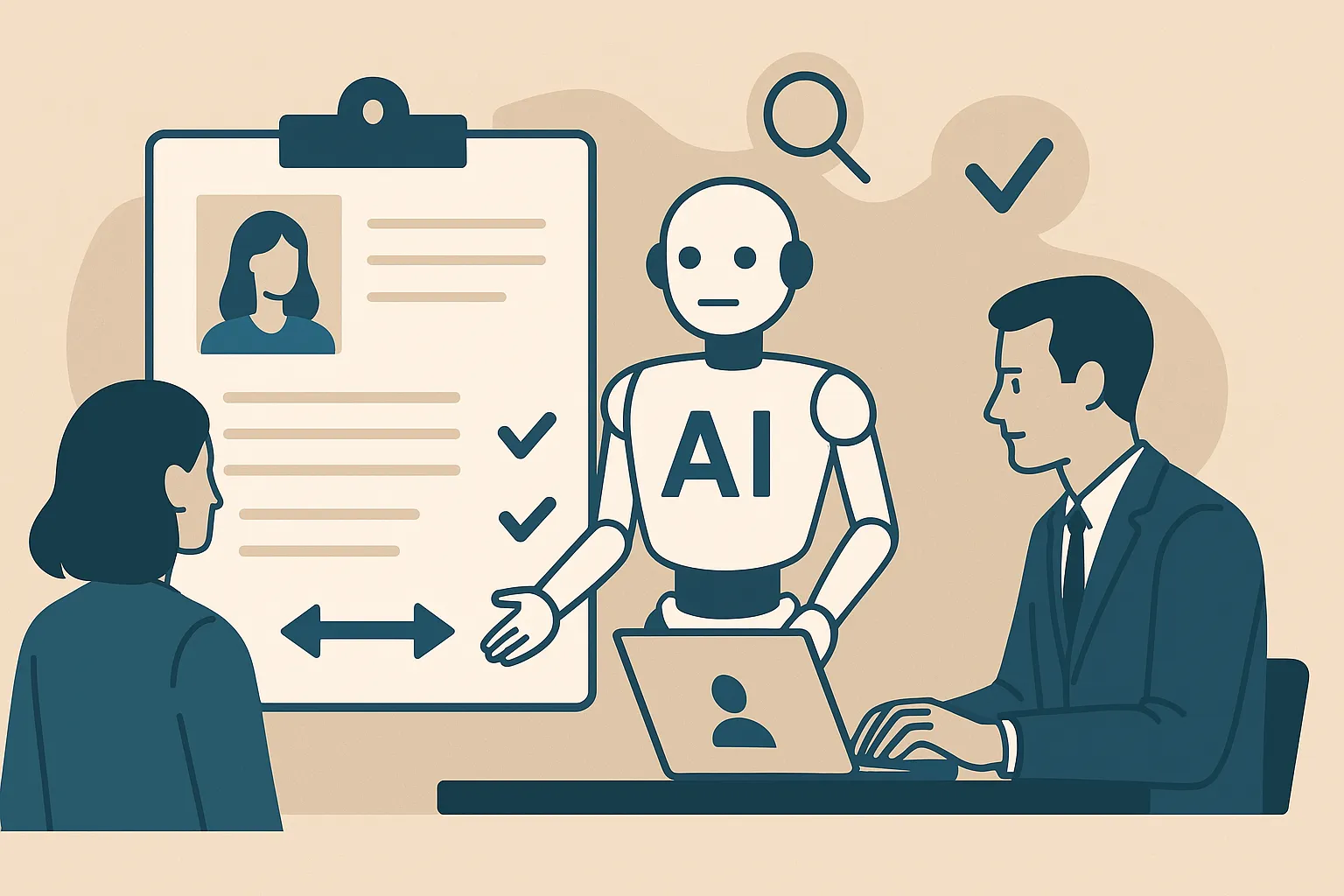
The reliance on artificial intelligence technologies in recruitment is growing, sparking widespread debate about their effects on job seekers. While some believe these technologies expedite hiring processes and enhance efficiency, others argue they may pose obstacles for many candidates.
Today, major companies utilize AI systems to analyze resumes and filter job applicants, allowing them to select the most suitable candidates more quickly. However, these systems may lack the ability to assess personal skills and creative capabilities, potentially leading to the exclusion of qualified candidates.
Event Details
Reports indicate that many companies have begun integrating AI into their hiring processes, employing advanced algorithms to analyze data related to candidates. These systems rely on specific criteria, which may result in the exclusion of candidates whose resumes do not align with these standards, even if they possess the necessary skills.
Moreover, the use of AI in recruitment may exacerbate existing biases. Studies have shown that some algorithms may reflect social or cultural biases, worsening gaps in job opportunities.
Background & Context
Historically, labor markets have undergone significant transformations due to technology. With the advent of artificial intelligence, these transformations have become more complex. In recent years, AI tools have been developed to enhance the recruitment experience, yet they also raise concerns about the loss of traditional jobs.
In many countries, AI has become an integral part of employment strategies, as governments and companies seek to leverage this technology to improve efficiency and reduce costs. However, these trends require careful evaluation to ensure they do not negatively impact job opportunities.
Impact & Consequences
The implications of using AI in recruitment range from positive to negative. On one hand, it can help accelerate the hiring process and reduce costs. On the other hand, it may lead to the exclusion of a large number of qualified candidates, increasing the challenges faced by job seekers.
There are also concerns that excessive reliance on AI could diminish traditional job opportunities, as some positions may be replaced by technology-driven roles. This situation necessitates that governments and companies consider how to adapt to these changes.
Regional Significance
In the Arab region, where many countries face high unemployment rates, AI could have significant effects. While it may enhance efficiency in some sectors, it could also heighten challenges in the job market.
Arab countries must be aware of these changes and work on developing strategies to ensure that the unemployment problem does not worsen. Investing in education and training is essential to ensure that young people have the skills needed to compete in the future job market.
In conclusion, artificial intelligence represents a powerful tool that can improve recruitment processes, but it must be used cautiously to avoid negatively affecting job opportunities. It is crucial for companies and governments to adopt policies that ensure a balance between technology and labor market needs.