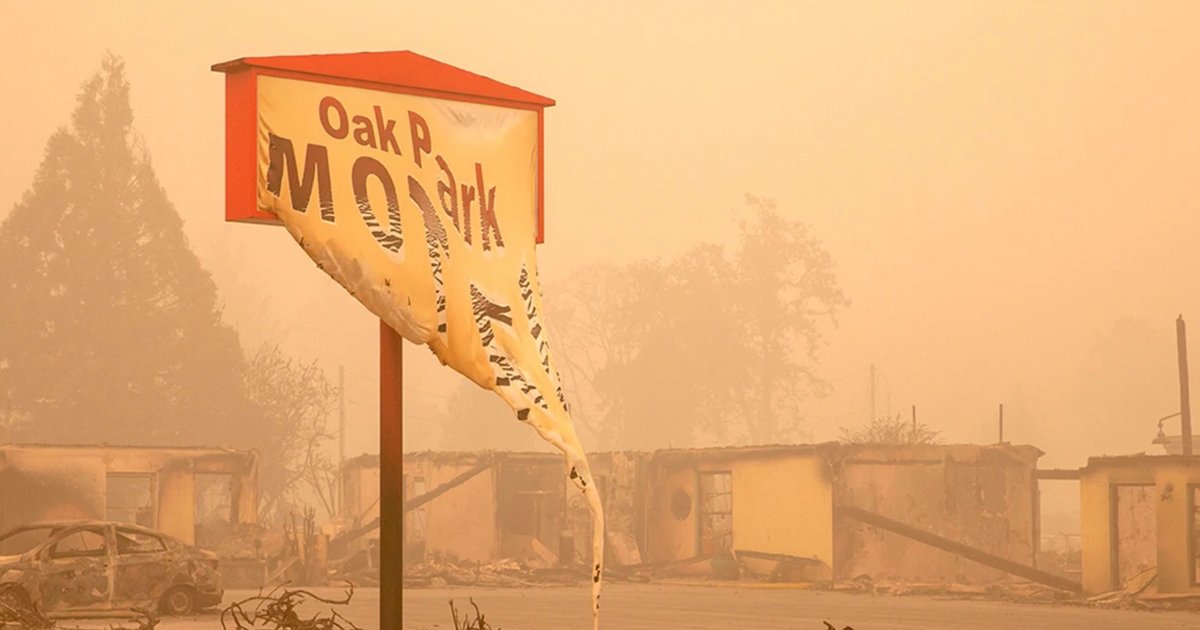
The United States is currently facing a major health threat due to air pollution caused by wildfires, with authorities issuing warnings for citizens to remain indoors. This situation is deteriorating air quality in many states, increasing health risks, especially for individuals with respiratory issues.
This crisis coincides with a noticeable increase in the number of wildfires across various regions of the country, where severe weather conditions are exacerbating the situation. Reports have indicated that air quality in some areas has dropped to unhealthy levels, necessitating immediate action to protect the population.
Details of the Event
The United States is currently experiencing a rise in the number of wildfires, particularly in western states such as California and Oregon. These fires, ignited by drought and strong winds, are releasing massive amounts of smoke and pollutants into the air. The Environmental Protection Agency has warned that exposure to these pollutants can lead to serious health problems, including exacerbation of asthma and heart diseases.
In response to this crisis, local authorities have issued warnings for citizens to stay indoors, especially in the most affected areas. Some schools and public parks have been closed, and people are encouraged to use air purifiers in their homes.
Background & Context
Wildfires are a recurring phenomenon in the United States, but they have seen a significant increase in recent years due to climate change. Studies indicate that rising temperatures and extended drought periods play a major role in exacerbating this phenomenon. Additionally, changes in weather patterns are creating conditions more conducive to the outbreak of fires.
Historically, wildfires were considered a natural part of the ecosystem, helping to rejuvenate forests. However, current fires have become more destructive, necessitating an urgent response from the government and the community.
Impact & Consequences
Wildfires and the resulting air pollution significantly affect public health. Estimates suggest that exposure to polluted air can lead to an increase in health emergencies, placing additional pressure on the healthcare system. This phenomenon also impacts the local economy, causing business closures and a decline in tourism in affected areas.
Moreover, air pollution can negatively affect the environment as a whole, leading to the degradation of water and soil quality. These combined factors make it imperative to take immediate action to mitigate the impact of wildfires and air pollution.
Regional Significance
While the United States grapples with an air pollution crisis, Arab countries face their own environmental challenges. Concerns about air pollution are rising in major cities like Cairo and Baghdad, where climatic factors and industrial activities are affecting air quality. The United States' experience in dealing with wildfires and air pollution could provide valuable lessons for Arab nations on how to manage environmental crises.
In conclusion, the current situation in the United States requires a swift and effective response to protect public health. There must be joint efforts between the government and the community to tackle the challenges of air pollution and ensure the safety of citizens.