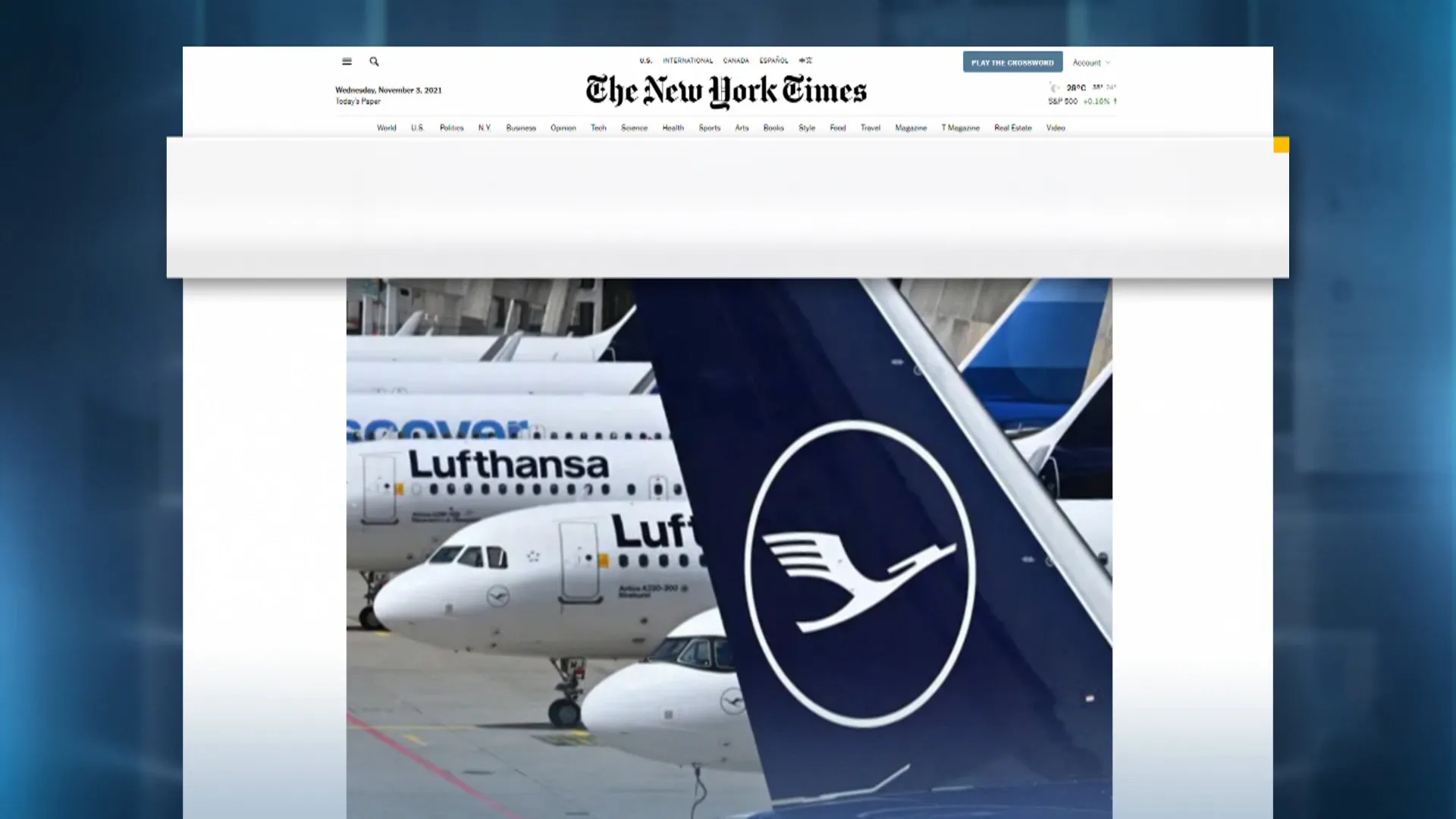
The New York Times has issued a warning regarding anticipated disruptions in air travel this summer, as jet fuel prices are experiencing a sharp increase alongside a potential supply shortage. This crisis comes at a time when tensions are escalating due to the Iranian-American war, complicating the situation further.
The report indicates that many major airlines have already begun to reduce the number of their flights, facing increasing pressure on travelers due to rising ticket prices and additional fees. Experts have also cautioned about the diminishing travel options available, which heightens the likelihood of flight cancellations, particularly for those involving indirect stops.
Details of the Situation
Attention is turning to Europe, where the situation is expected to be more severe, with growing concerns over fuel supply shortages. Experts have noted that stabilizing prices and returning jet fuel supply to normal levels may take several months, signaling a costly and uncertain travel season ahead.
In this context, airlines are continuously evaluating their strategies to adapt to these conditions. Some airlines have expressed readiness to cut back on their international flights, which could impact travel plans for tens of thousands of passengers.
Background & Context
The roots of this crisis can be traced back to escalating tensions in the Middle East, where the Iranian-American war casts a shadow over global energy markets. This conflict has led to increased oil prices, which in turn affects jet fuel prices.
Additionally, other geopolitical crises, such as the war in Ukraine, are exacerbating the situation, as European countries seek to reduce their dependence on Russian energy, further intensifying pressure on fuel markets.
Impact & Consequences
The repercussions of the jet fuel crisis extend beyond air travel, potentially affecting other sectors such as tourism and transportation. With rising travel costs, many travelers may hesitate to plan their summer trips, which could negatively impact revenue in the tourism industry.
Moreover, this crisis may increase pressure on governments and companies to find swift solutions, potentially requiring government interventions to support the aviation sector.
Regional Significance
Arab countries are among the most affected by the jet fuel crisis, as many of these nations rely on tourism as a primary source of revenue. With rising travel costs, the influx of tourists to these countries may decline, adversely affecting their economies.
In light of these circumstances, Arab governments must take proactive steps to ensure the stability of the tourism and aviation sectors, including providing necessary support to airlines.
In conclusion, the jet fuel crisis poses a significant challenge to the travel and aviation industry, necessitating a swift and effective response from all stakeholders to prevent the situation from worsening in the coming months.