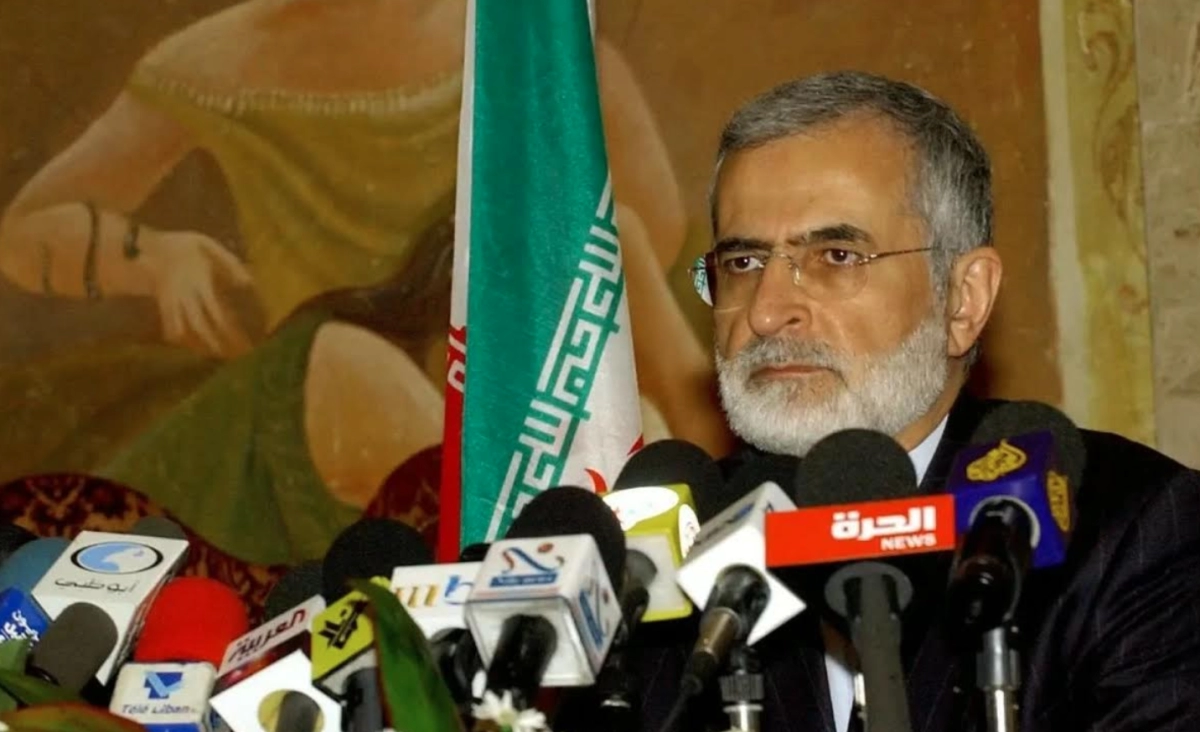
Former Iranian Foreign Minister Kamal Kharrazi was injured in an airstrike on Wednesday, resulting in serious injuries and the death of his wife. The attack took place at his residence in the Iranian capital, Tehran, according to local media reports. It remains unclear whether Kharrazi was the direct target of the attack or if he was collateral damage from a nearby strike.
Kharrazi, aged 81, is a prominent figure in Iranian politics, having served as Foreign Minister during the presidency of Mohammad Khatami and later becoming a foreign policy advisor to Supreme Leader Ali Khamenei. Reports indicate that Kharrazi was transported to the hospital for treatment following his serious injuries.
Details of the Incident
The attack on Kharrazi comes at a time of significant military escalation in Iran, with reports of airstrikes in several Iranian cities, including Tehran, Isfahan, and Shiraz. These airstrikes have resulted in the deaths of four individuals in the city of Larestan in southern Iran. Meanwhile, a spokesperson for the Iranian Armed Forces' Joint Command stated that Tehran will continue its military operations in the Middle East until the United States and Israel face "perpetual regret and surrender."
Additionally, Ibrahim Zolfaghari, spokesperson for the Central Headquarters of Khatam al-Anbiya, noted that American and Israeli assessments of Iran's military capabilities are "incomplete," asserting that Tehran will ramp up its military operations, with expectations of executing "more destructive" attacks against its adversaries.
Background & Context
These events unfold amid escalating tensions between Iran and the United States, with former President Donald Trump indicating that Washington will strike Iran "hard" in the coming weeks. Since the onset of joint airstrikes by the United States and Israel on February 28, Iran has witnessed over 2000 fatalities. Additionally, 24 individuals have died in Israel, along with 13 American soldiers in the region.
Last week, Kharrazi stated that Iran has not closed all doors to negotiation and is open to the possibility of indirect talks, although he mentioned in an interview with CNN that he sees no "room for diplomacy" with the United States. He considered Trump to be "deceiving others" and failing to keep his promises, which led to previous negotiation attempts being marred by attacks.
Impact & Consequences
The attack on Kharrazi may be viewed as an assassination attempt, raising questions about the true objectives behind this strike and whether it is linked to the escalating regional tensions. This incident could heighten tensions between Iran and the United States and bolster the position of hardliners within Iran who advocate for a stronger military response against adversaries.
Moreover, this incident may affect Iran's relations with other countries in the region, as it could be perceived as a warning to nations cooperating with the United States or adopting anti-Iranian stances. Simultaneously, it could enhance domestic support for the Iranian regime in the face of external threats.
Regional Significance
The Arab region is directly affected by Iranian-American tensions, with many Arab nations viewing Iran as a threat to their national security. Mutual attacks and military escalation could destabilize the region, negatively impacting the economic and political situations in countries such as Iraq, Syria, and Lebanon.
In conclusion, the attack on Kamal Kharrazi highlights the complexities of the security situation in the Middle East and reflects the escalating tensions that could lead to larger conflicts in the near future.