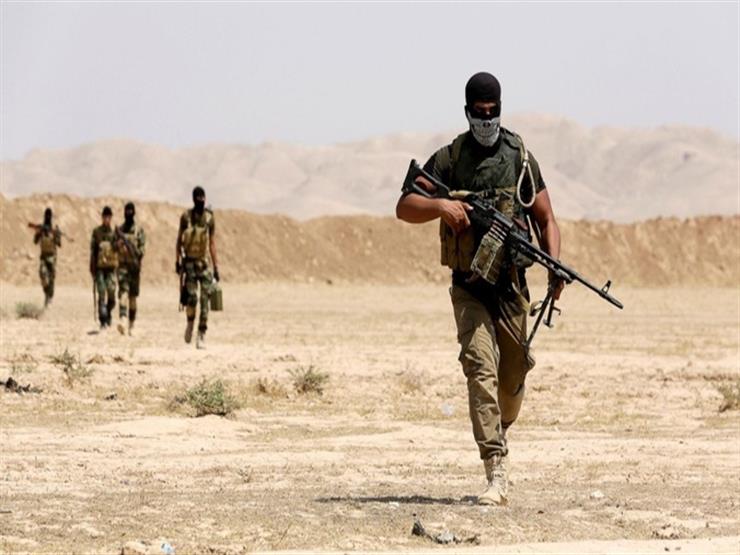
On Tuesday, leaders and members of the Popular Mobilization Forces (PMF) mourned their commander in Anbar, Saad Duwai Al-Baiji, along with 14 of his comrades who were killed in an American-Israeli airstrike targeting their headquarters in the western province of Anbar. This incident, described by the Joint Operations Command as a "crime," occurs at a sensitive time when the country is facing increasing security and political challenges.
The airstrike, which took place late Monday night, targeted a gathering of PMF forces, resulting in the deaths of numerous members, including a prominent leader. This incident has sparked angry reactions from PMF leaders, who consider these attacks a direct threat to Iraq's security and stability.
Details of the Incident
According to sources within the PMF, the airstrike targeted a site used as an operations center for the forces in Anbar, an area that has witnessed fierce battles against ISIS in recent years. PMF officials confirmed that the strike occurred while their members were conducting security operations in the area, further intensifying condemnation of this attack.
In an official statement, the spokesperson for the Joint Operations Command described the attack as a "direct targeting of Iraqi forces," noting that such actions would only exacerbate the security situation in the country. He also called for international measures to hold those responsible for these attacks accountable.
Background & Context
Historically, Anbar province has seen numerous military operations, particularly during the war against ISIS. The PMF played a crucial role in regaining control of areas that were under the organization's control. However, the presence of these forces has sparked widespread controversy in the Iraqi political arena, with some viewing them as a threat to national sovereignty.
This incident comes at a sensitive time as Iraq seeks to bolster its stability after years of conflict. Relations between Iraq and the United States have recently become increasingly strained, especially following a rise in attacks on American forces in the country.
Impact & Consequences
This airstrike represents a serious escalation in the ongoing conflict and may lead to violent reactions from the PMF, increasing the likelihood of violence in the region. Additionally, this incident could affect relations between Iraq and the United States, as it may provoke calls within Iraq for the expulsion of American forces.
Furthermore, the death of a prominent leader like Saad Duwai Al-Baiji may create a leadership vacuum within the PMF, potentially impacting the effectiveness of military operations against security threats, including ISIS.
Regional Significance
This incident is part of a series of events reflecting ongoing tensions in the region. Iraq, which suffers from political and security divisions, may be susceptible to further unrest as a result of this strike. The escalation of violence in Iraq could also affect neighboring countries, increasing instability in the Middle East.
In conclusion, this incident serves as a stark reminder of the security challenges facing Iraq and highlights the urgent need to enhance national dialogue and achieve stability in the country.