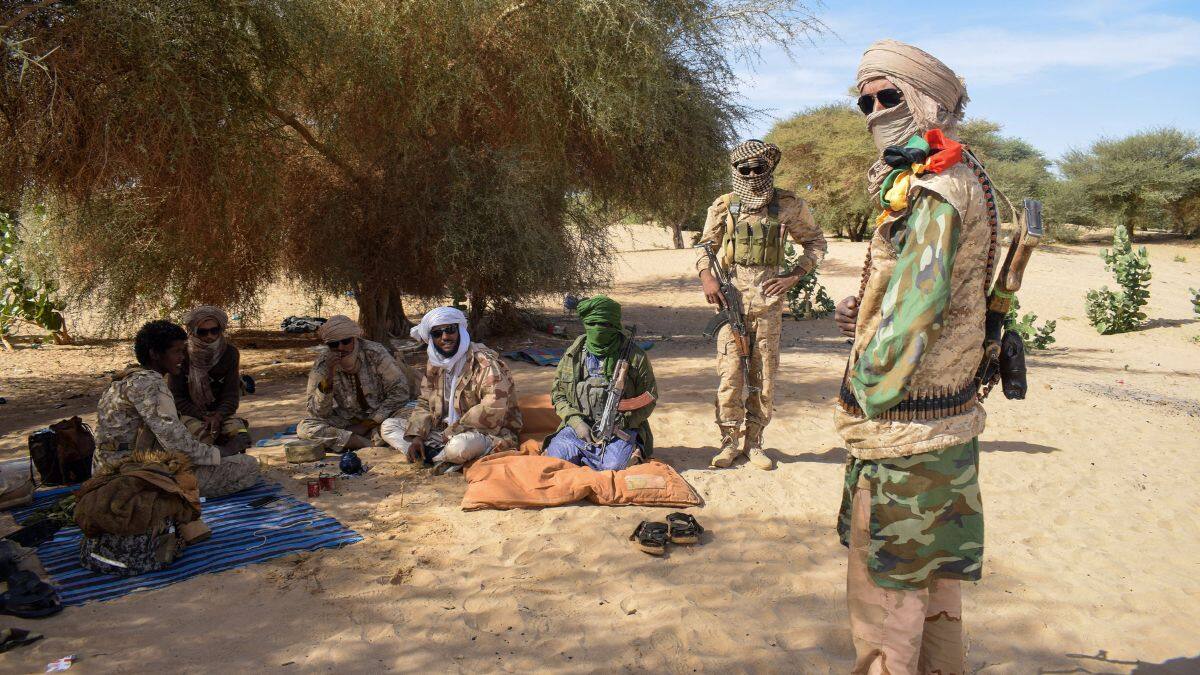
The Al-Nusra Front, affiliated with Al-Qaeda, has declared its involvement in attacks in Mali in partnership with the armed Tuareg group known as FLA. These statements emerge at a time when Mali is grappling with escalating violence and terrorism, raising new concerns about stability in the region.
The announced attacks are part of a series of military operations conducted by the group across various regions of the country, as it seeks to strengthen its influence amid the security chaos plaguing Mali. Reports indicate that these operations have resulted in numerous casualties, further complicating the security situation in the nation.
Details of the Attacks
According to reports, the attacks executed by the Al-Nusra Front in collaboration with the Tuareg group targeted both military and civilian sites, reflecting the group's strategy to expand the scope of its operations. These attacks have been documented by the SITE group, which monitors terrorist activities, adding credibility to the circulating information.
These events occur within a broader context of violence in Mali, where attacks by armed groups in the northern regions are on the rise. The Malian army is facing significant challenges in combating these groups, raising questions about the government's ability to regain control over the affected areas.
Background & Context
Historically, Mali has experienced multiple conflicts since 2012, when Tuareg rebels seized control of the northern part of the country. Since then, terrorist activities have surged dramatically, turning the nation into a hub for extremist groups. International military interventions have improved security in some areas, but challenges remain prevalent.
The Al-Nusra Front, active in various regions of Africa, aims to exploit the political and security turmoil in Mali to enhance its influence. Collaborating with local groups like FLA is seen as part of its strategy to broaden its support base and operational capabilities.
Impact & Consequences
The ramifications of these attacks extend beyond Mali's borders, potentially affecting regional stability in West Africa. As terrorist activities increase, neighboring countries may face heightened pressures to manage the influx of refugees and security threats.
Furthermore, these events could impact international efforts to combat terrorism, necessitating new strategies to address the growing challenges. Experts emphasize the need for enhanced cooperation among countries in the region to effectively confront these threats.
Regional Significance
For the Arab world, the rise of terrorist activities in Mali may have direct implications for regional security. With increasing threats, some Arab nations may seek to bolster their security cooperation with African countries to tackle these challenges.
The situation in Mali can serve as a lesson for Arab countries on how to deal with extremist groups, highlighting the need for comprehensive strategies that integrate military action with economic and social development.
Recent events in Mali reflect the ongoing challenges the country faces in combating terrorism and underscore the necessity for effective strategies to address this growing phenomenon.