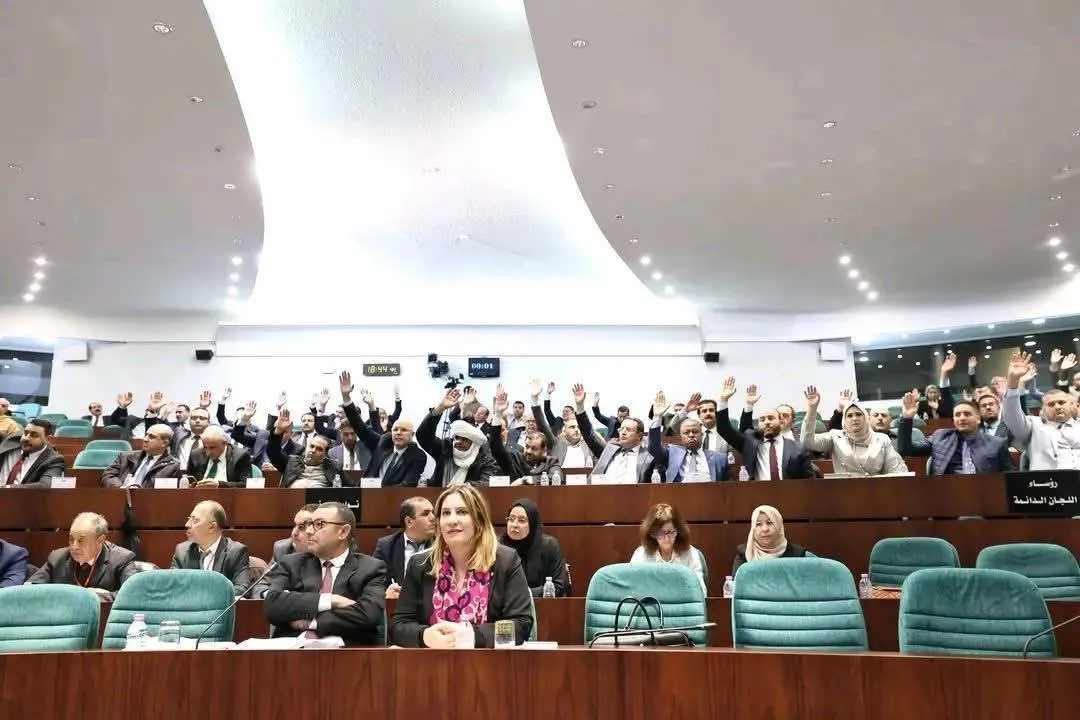
Algeria is gearing up for parliamentary elections scheduled for July 2, 2026, but these elections face major challenges as the opposition expresses concerns about the integrity of the electoral process. The Socialist Forces Front and New Generation parties have voiced their fears regarding irregularities that marred the signature collection phase, putting the credibility of the electoral system at risk.
Youssef Ouchiche, the First Secretary of the Socialist Forces Front, called during a party meeting in the capital for a genuine political and media openness that aligns with the legislative elections. He emphasized that the current situation suffers from political closure, complicating the tasks of political actors.
Details of the Event
Ouchiche pointed out that his party's participation aims to restore the value of democratic representation and enhance a culture of collective responsibility, moving away from narrow electoral calculations. He confirmed that engaging in the elections is part of a broader project to build national consensus around a new political contract that ensures a genuine democratic transition.
He also urged the authorities to demonstrate a sincere will to uphold fundamental freedoms, such as freedom of expression and organization, and to avoid the logic of questioning the national opposition. He called on the political class to improve its discourse and steer clear of marginal conflicts, warning against slipping into populism.
Background & Context
The New Generation party, led by Lakhdar Amkrane, condemned what it described as systematic administrative irregularities affecting the signature collection process, warning that the verification phase could become a bureaucratic obstacle complicating the electoral process. The party highlighted specific cases of administrative paralysis and the absence of coordinators, which heightens fears of a return to past methods.
Despite the criticisms, New Generation confirmed its determination to participate in the elections, calling on the authorities to remove obstacles and ensure equal opportunities. If certain conditions are not met, parties must collect 25,000 individual signatures from registered voters.
Impact & Consequences
As the election date approaches, pressure mounts on the Algerian government to ensure the integrity of the electoral process, which could affect the political stability of the country. Distrust in the electoral process may lead to citizen apathy towards participation, threatening further political division.
The Algerian government seeks to enhance trust between the rulers and the ruled, which requires serious steps towards improving political and economic conditions. If irregularities persist, social crises may worsen, leading to increased public protests.
Regional Significance
The upcoming Algerian elections are a true test of democracy in the country and may have repercussions for neighboring countries facing similar political crises. The success or failure of the elections could influence regional stability and reflect the ability of Arab regimes to respond to their people's demands.
In conclusion, the 2026 Algerian elections remain under the watchful eyes of observers, as attention turns to how the government will address the challenges at hand and how the opposition will respond to calls for change.