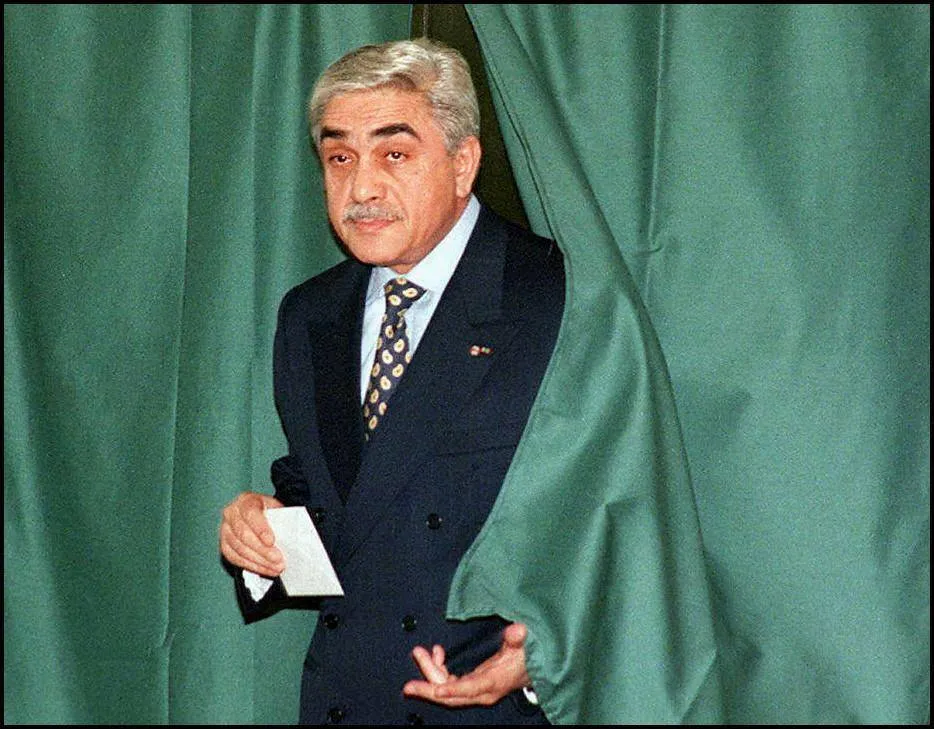
Former Algerian president Ali Yahia Zoroual, who led the country during its darkest times, passed away at the age of 84 in a military hospital in the capital, Algiers. This news came after a deterioration in his health, as he was admitted to the hospital two days before his death. Zoroual, regarded as a symbol of modesty in power, took the helm of the country during a critical period in Algeria's history, facing significant challenges including terrorism and political violence.
Zoroual passed away after a distinguished career in military and political service, having held several positions in the army before becoming Minister of Defense and then Head of State. He was known for his refusal of power after his term ended, choosing to be buried in his hometown of Batna, rather than in the official cemetery where previous presidents were interred.
Details of the Event
The Algerian presidency announced Zoroual's death and declared a national mourning period of three days, with the national flag at half-mast. His body was displayed for the last viewing at the Palais des Nations in the capital, attended by several high-ranking officials, reflecting the great respect he held in the hearts of Algerians.
Zoroual, who assumed the presidency on January 30, 1994, was the first democratically elected president in Algeria on November 16, 1995. Despite the challenges he faced, including doubts about the integrity of the elections, he left a clear mark in the history of the country.
Context and Background
Zoroual took power at a time when Algeria was suffering from a severe political and economic crisis, living under the weight of terrorism and violence. His name became associated with the fight against radical Islamic groups, playing a significant role in preventing the Islamic Salvation Front from coming to power in the early 1990s.
After resigning from the army in 1989, Zoroual was appointed ambassador to Romania, then returned to Algeria to become Minister of Defense. He was known for his commitment to the principles of the Algerian state, working to enhance stability and security in the country during his presidency.
Impact and Consequences
Zoroual's death significantly impacted the Algerian political landscape, with condolences pouring in from various political parties. Many political factions praised his career, considering him a symbol of nationalism and loyalty to Algeria.
Numerous political figures, including President Abdelmadjid Tebboune, expressed their deep sorrow over Zoroual's passing, noting that his departure is a great loss for Algeria amid the current circumstances the country is facing.
Regional Significance
Zoroual's governance experience serves as a model for many Arab countries undergoing similar political turmoil. It demonstrates how leaders can make difficult decisions in times of crisis and how those decisions can impact the future of their nations.
Zoroual's experience in Algeria highlights the importance of dialogue and understanding among various political parties, providing a lesson in how to manage political crises in a way that ensures the stability of the country.