Algeria has declared that it will not normalize its relations with Paris until a clear apology is issued for the colonial crimes committed by the French army during the colonial period. This announcement came after the visit of French Defense Minister, Florence Parly, to participate in the commemoration of the May 8, 1945 massacres, which resulted in the deaths of thousands of Algerians.
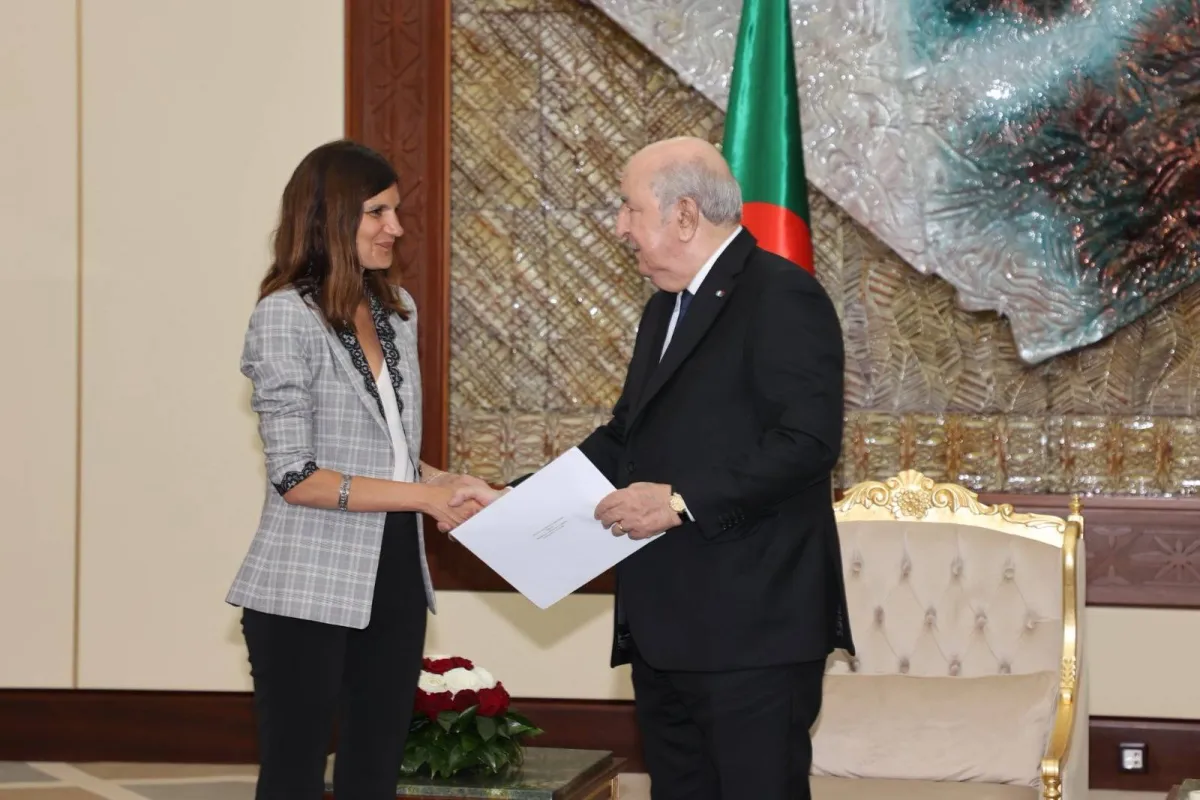
The visit, which began on Friday, did not receive extensive coverage from Algerian official media, as it was absent from government channels. The following day, Algerian President Abdelmadjid Tebboune received the French minister, who brought a message from her French counterpart, Emmanuel Macron, according to a brief statement from the Algerian presidency.
Details of the Event
The Algerian media's disregard for the visit is attributed to the lack of a clear condemnation or official apology from the French minister regarding the colonial crimes, which many Algerians consider a red line in the complex memory file between the two countries. There was no mention of Parly's participation in the celebrations marking the 81st anniversary of the Sétif, Guelma, and Kherrata massacres, which took place in Sétif, where approximately 45,000 Algerians were killed.
In this context, the Algerian News Agency dedicated only 60 words to Parly's attendance, referring to her statement that called for respecting Algeria's memory. A photo of Algerian Minister Abdelmalek Sellal with the French minister was published, but without additional details.
Background & Context
The May 8, 1945 massacres are considered a pivotal event in Algerian history, where demonstrations demanding independence were met with brutal repression by the French army. These massacres still represent a deep wound in the Algerian collective memory, making an official apology for these crimes a fundamental condition for improving bilateral relations.
In recent years, Algeria has attempted to reduce tensions with France, starting with President Tebboune's pardon of writer Boualem Sansal, culminating in the visit of the new French Interior Minister. However, the absence of official apologies remains an obstacle to normalizing relations.
Impact & Consequences
These developments show that Algeria is negotiating from a position of strength, as it recognizes that Paris needs to improve relations more than Algeria does. While Algeria seeks acknowledgment of colonial crimes, France is limited to symbolic gestures without providing clear apologies.
Researchers in French colonial history believe that the absence of an official apology reflects France's unwillingness to confront its colonial past, complicating relations between the two countries. This situation could impact cooperation in various fields, including economics and culture.
Regional Significance
The Algerian-French relations serve as a model for historical tensions that can affect relationships between Arab countries and Western nations. An apology for colonial crimes could be an important step toward achieving reconciliation, not only between Algeria and France but also among Arab nations and the countries that colonized their lands.
In conclusion, the official apology for colonial crimes remains a fundamental demand for Algeria, which could determine the future of relations between the two countries. The failure to respond to this demand may lead to continued tensions, affecting stability in the region.