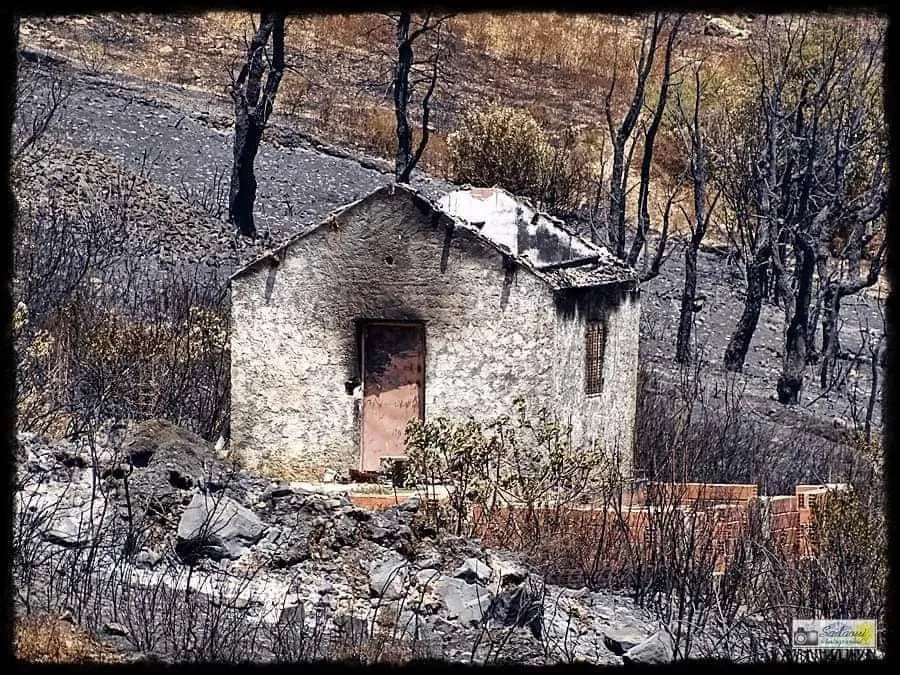
Algerian authorities have imposed a comprehensive ban on any human presence within forests and wooded areas, effective from May until October 30. This decision is part of the government's efforts to reduce the potential for forest fires, which have resulted in substantial losses of life and property in recent years.
The ban has been formalized through a recent executive decree, reflecting concerns over an anticipated heatwave that typically sees consecutive increases in temperatures. The ban encompasses all human activities, including hiking and picnicking, with official sources confirming that penalties for violators will be strict.
Details of the Ban
The executive decree prohibits individuals from moving within the restricted areas, whether on foot, by car, or on bicycles. The ban also extends to activities such as barbecuing, lighting campfires, and organizing family outings, even during the Eid al-Adha holiday, which traditionally attracts thousands of Algerian families to forested highlands.
This legal framework places anyone who violates these directives under judicial scrutiny, with potential sentences ranging from two to six months in prison, in addition to financial fines. The severity of the punishment increases if it is proven that the offender caused a fire or obstructed the efforts of civil protection teams.
Background & Context
These measures come in light of the devastating fires Algeria has experienced in recent years, particularly during the summer of 2021, when the fires caused extensive damage to vegetation and loss of life. Sofiane Lawassi, an active member of the organization "Your Protection," noted that these measures are imposed periodically with each summer season, emphasizing their necessity given the harsh climatic conditions.
Interventions in forest environments are among the most challenging field operations, as mountainous areas lack suitable access routes for rescue teams. Additionally, climatic conditions such as extreme heat and strong winds increase the risk of fire outbreaks.
Impact & Consequences
Through these measures, Algeria aims to preserve its forest wealth and reduce human and material losses. The preventive plan proved successful last year, with burned areas decreasing by a record 91%. The government seeks to maintain and enhance this achievement amid ongoing climatic challenges.
The plan also includes strengthening logistical capacities, with over 6,000 personnel from the General Directorate of Forests mobilized, alongside the use of modern technology such as drones to monitor at-risk areas.
Regional Significance
Algeria's experience in combating forest fires serves as a model that other countries in the region can benefit from, especially those facing similar climatic conditions. Enhancing environmental awareness and implementing strict preventive measures can contribute to protecting the environment and natural resources.
These measures highlight the importance of collaboration between governments and civil society in addressing environmental challenges, reflecting the necessity of collective action to safeguard natural wealth.