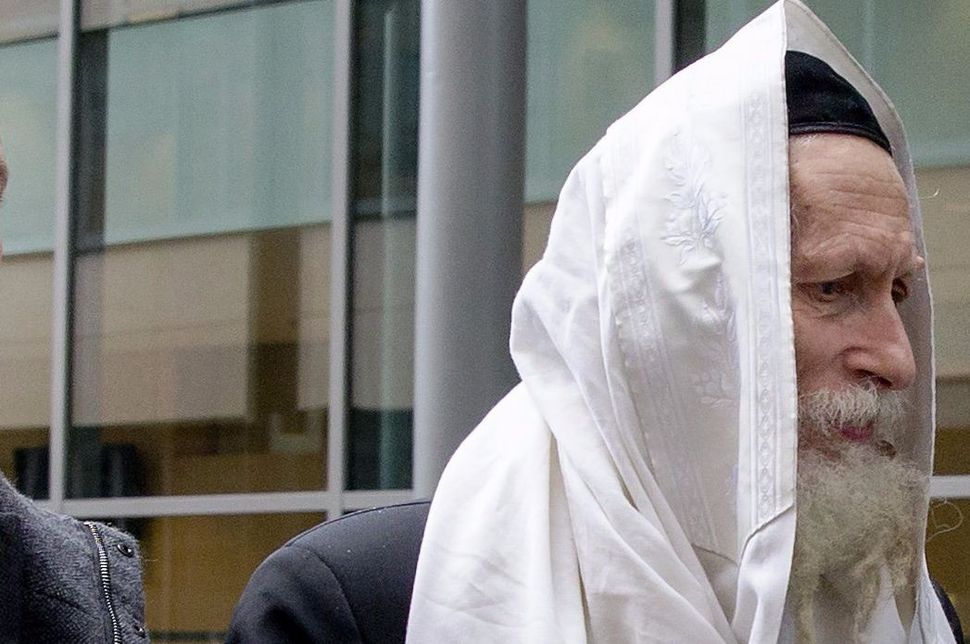
Israeli authorities have allowed a monk convicted of sexual crimes to bypass restrictions imposed at the Western Wall, a sacred site for Jews, during the current war. This decision has sparked widespread controversy in Israeli and global circles, with many questioning its motivations and potential impacts.
The monk, who has previously been convicted on charges related to sexual assault, received special permission to visit the Western Wall despite the security restrictions in place in the area. This decision comes amid escalating tensions in Jerusalem, where the city is witnessing repeated confrontations between Palestinians and Israeli forces.
Details of the Controversy
This move is considered highly controversial, as many wonder how a person convicted of sexual crimes is allowed access to a site that is a significant religious and cultural symbol. Numerous human rights activists have expressed their condemnation of this decision, viewing it as a violation of victims' rights and an enhancement of a culture of impunity.
At the same time, reports indicate that this decision could have negative implications for public security, potentially exacerbating the situation in the area. Some experts have warned that allowing the monk access to the Western Wall could incite feelings of anger among Palestinians and escalate existing tensions.
Background & Context
The Western Wall, also known as the Wailing Wall, is a sacred site for Jews and is considered part of the ancient temple destroyed by the Romans. Historically, this site has been the scene of numerous religious and political events and remains a major point of tension between Israelis and Palestinians.
In recent years, Jerusalem has witnessed a rise in tensions between the two sides, with clashes increasingly occurring around the Western Wall. These events come at a sensitive time, as international calls for peace in the region are growing, yet they are often met with opposition from both sides.
Impact & Consequences
The decision to allow the convicted monk access to the Western Wall may have far-reaching effects on relations between Israelis and Palestinians. Some analysts believe that this decision could heighten feelings of resentment and anger among Palestinians, potentially leading to an escalation of violence in the region.
Moreover, this decision could impact Israel's image in the international community, as it may be perceived as a sign of disrespect for human rights and victims' rights. Under the current circumstances, this could lead to increased international pressure on the Israeli government.
Regional Significance
This event is not merely a local issue; it has implications at the regional level. Relations between Israel and Arab countries have been significantly affected by the Israeli-Palestinian conflict, and any escalation in tensions could impact peace efforts in the region.
Additionally, this decision may provoke reactions from Arab countries that are closely monitoring the situation in Jerusalem, potentially leading to renewed calls for solidarity with Palestinians. Ultimately, the question remains as to how these events will influence the future of peace and stability in the region.