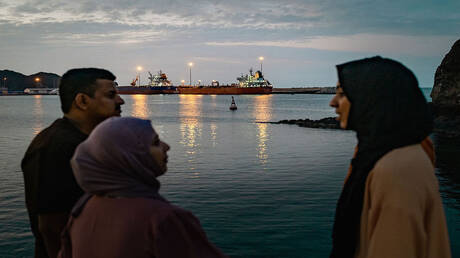
Many countries are pursuing alternative pipeline projects to alleviate pressure on the Strait of Hormuz, which is one of the most important maritime passages in the world. This step is not just a distant dream; it represents an urgent necessity amid rising geopolitical tensions threatening global energy security.
The Strait of Hormuz, connecting the Arabian Gulf with the Gulf of Oman, is a vital transit point for about 20% of the world's total oil. Any disruption in maritime traffic in this region can lead to a significant rise in oil prices, affecting the global economy as a whole.
Event Details
In recent years, the region has witnessed numerous political and military tensions, prompting countries to consider alternatives for securing energy supplies. Among the proposed projects is the Iraq-Jordan pipeline, which aims to export Iraqi oil through Jordanian territory to the Red Sea, thereby reducing reliance on the Strait of Hormuz.
Another proposed project connects gas fields in Qatar to energy markets in Europe via new pipelines. These projects could help alleviate pressure on the Strait of Hormuz, but they face significant challenges related to financing and security.
Background & Context
Historically, the Strait of Hormuz has been a strategic point since ancient times, witnessing active trade. With the discovery of oil in the twentieth century, its importance grew, becoming a center for global oil trade.
In recent years, tensions in the region have escalated, particularly after the United States withdrew from the Iranian nuclear agreement and reinstated economic sanctions on Tehran. These circumstances have heightened fears of potential threats to maritime traffic in the strait, prompting countries to seek safer alternatives.
Impact & Consequences
If these alternative projects succeed, they could lead to a radical change in the global energy map. Exporting countries would be able to reduce their dependence on the Strait of Hormuz, thereby minimizing risks associated with regional tensions.
However, this could also increase tensions among competing nations over control of these projects, potentially creating new conflicts in the region. Additionally, building pipelines requires massive investments and international cooperation, which may be challenging under current conditions.
Regional Significance
Arab oil-producing countries, such as Saudi Arabia and Iraq, are among the most affected by developments in the Strait of Hormuz. Any change in transportation through the strait could impact these countries' revenues, directly reflecting on their economies.
Moreover, the success of alternative pipeline projects could open new avenues for regional cooperation, allowing Arab nations to collaborate in building new infrastructure that enhances energy security in the region.
In conclusion, the question remains: will these projects succeed in alleviating pressure on the Strait of Hormuz? The answer depends on various factors, including political and economic stability in the region and the ability of countries to cooperate in facing common challenges.