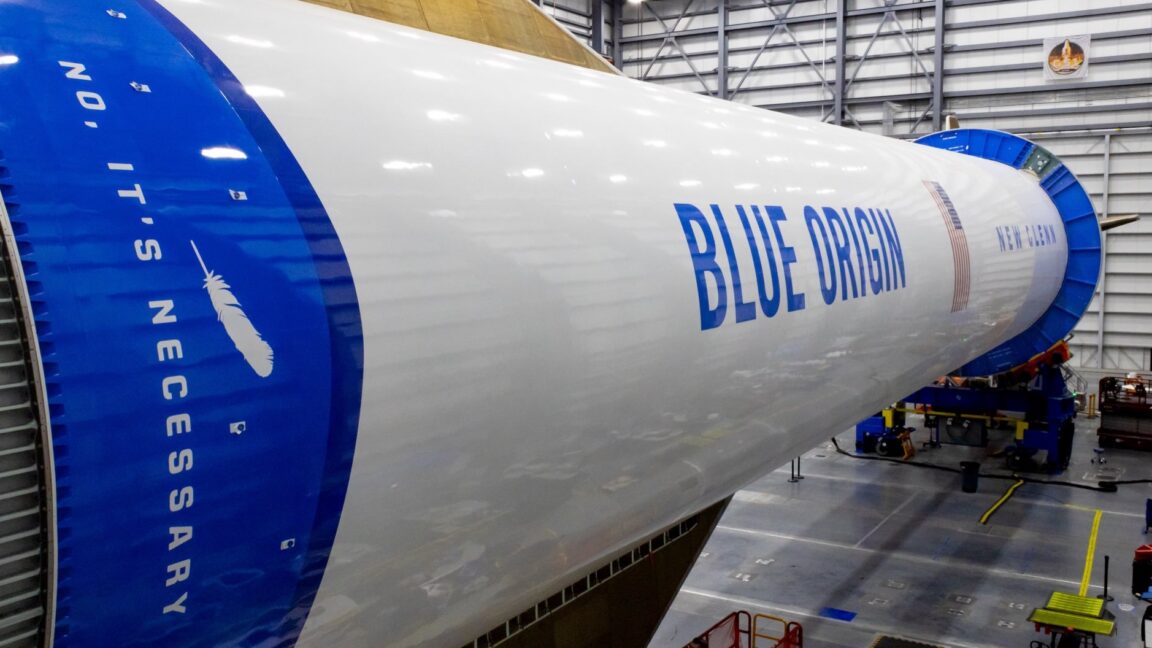
Amazon, the American technology giant, is moving towards developing space launch services through collaboration with another company owned by Jeff Bezos, the founder of Amazon. This partnership is part of Amazon's efforts to enhance its capabilities in the space sector, while ULA's Vulcan rockets remain stuck on the ground due to multiple delays.
This initiative is seen as a component of Amazon's strategy to expand its range of services in space, as the company seeks to provide innovative solutions in the field of space launches. With the increasing demand for launch services, it appears that Amazon hopes to leverage the expertise of other companies to boost its competitive edge.
Event Details
ULA, which is considered one of the leading companies in the space launch industry, is facing significant challenges in launching its Vulcan rockets. Although these rockets are designed to be more efficient and effective, ongoing delays have negatively impacted the launch schedule. In contrast, Amazon aims to take advantage of this situation by collaborating with other companies to expedite launch operations.
This collaboration is a strategic move for Amazon, as it could enhance its services and broaden its operations in space. Additionally, this partnership may open doors to new opportunities in the market, strengthening Amazon's position as a major competitor in this sector.
Background & Context
Historically, the space industry has witnessed significant developments in recent years, with investments in this sector increasing markedly. As new companies enter the market, competition has intensified. Amazon, which possesses extensive expertise in technology and logistics, aims to capitalize on these opportunities to bolster its presence in space.
Amazon is recognized as one of the leading companies in e-commerce, but it has recently begun to expand its operations to include space. This shift reflects Bezos's ambitious vision for space exploration and the provision of new services to users.
Impact & Consequences
This collaboration could have a substantial impact on the space industry, as it may lead to improved efficiency in launch operations and reduced costs. Enhancing Amazon's capabilities in this field could contribute to increased competition, benefiting customers by offering more diverse options.
Moreover, this partnership could stimulate further investments in the space industry, fostering innovation and encouraging the development of new technologies. Amid current challenges, it seems that Amazon is striving to be at the forefront of this transformation.
Regional Significance
As many Arab countries are moving towards developing their capabilities in space, Amazon's collaboration could have a positive impact on these efforts. Such steps may encourage Arab companies to explore new partnerships with global firms, enhancing the region's standing in the space industry.
Furthermore, increased investments in this sector could contribute to creating new job opportunities and fostering innovation in Arab countries, reflecting the importance of space as a vital field for the future.
In conclusion, Amazon appears to be on the right track to strengthen its presence in the space industry through collaboration with other companies. As challenges continue, it remains to be seen how these steps will affect the future of space and technology worldwide.