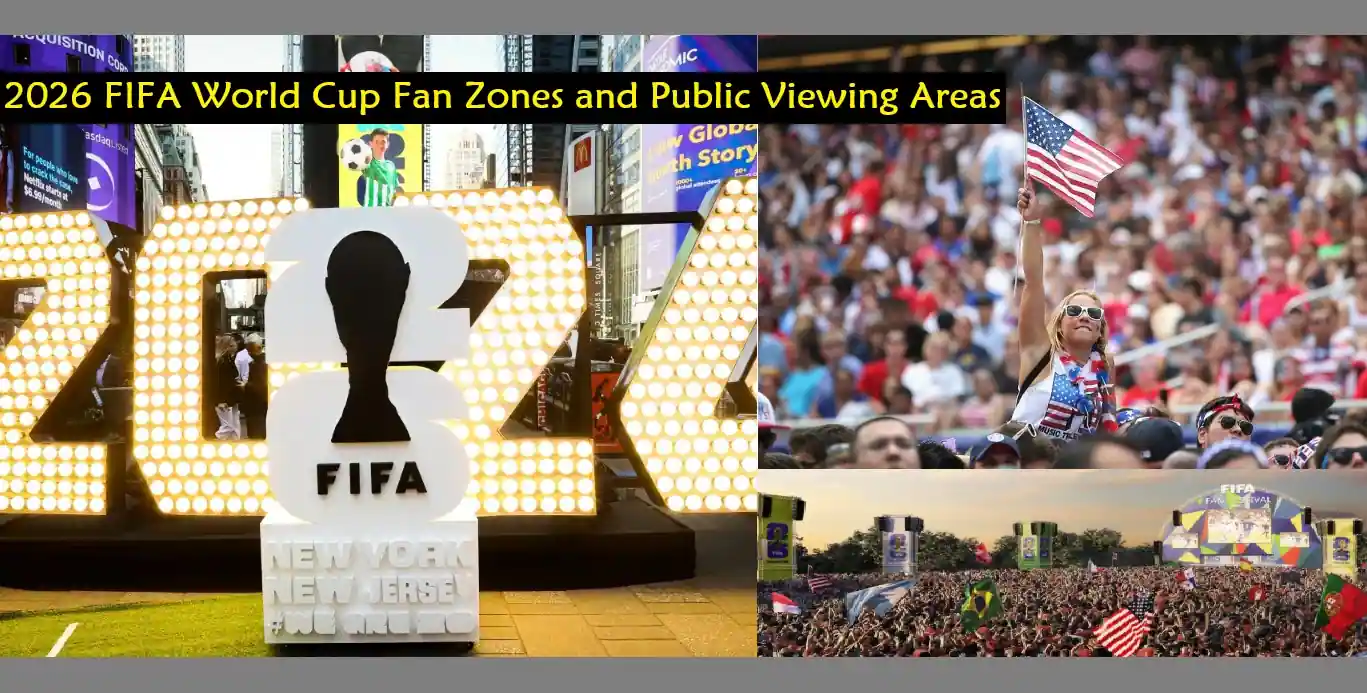
Amnesty International has warned of potential threats facing fans at the 2026 World Cup, indicating that the situation in the United States has reached an emergency level. This warning comes at a time when the country is preparing to host the major tournament, raising concerns about the safety and rights of fans during this massive sporting event.
The FIFA World Cup is considered one of the largest sporting events in the world, bringing together millions of fans from across the globe. However, the warnings issued by Amnesty International raise serious questions about the United States' ability to ensure the safety of these fans, especially given the current political and social conditions.
Event Details
Amnesty International reported increasing concerns that fans' rights may be violated during the tournament due to the strict security policies that U.S. authorities may adopt. The report indicated that these policies could include rigorous search procedures and extensive surveillance, which might lead to restrictions on freedom of expression and assembly.
The organization has called for effective measures to protect fans' rights, including ensuring access to necessary information and resources, as well as providing legal support for those in need. This warning comes at a sensitive time, as fears of rising social tensions in the United States increase, amplifying concerns about fans' safety.
Background & Context
The United States is set to host the 2026 World Cup in collaboration with Canada and Mexico, an event considered the largest in football history. However, the sporting history of the United States has seen numerous incidents that have affected fan safety, including riots and violent confrontations between fans.
Despite the United States having a strong infrastructure for hosting major sporting events, current security and political challenges may negatively impact the fan experience. Recent years have witnessed a rise in incidents of violence and discrimination, raising concerns about the authorities' ability to address these issues during the tournament.
Impact & Consequences
If effective measures are not taken to protect fans' rights, this could lead to negative consequences for the reputation of the United States as a destination for hosting major sporting events. Any violations of fans' rights could result in a boycott of the tournament by some fans, affecting the economic revenues associated with the event.
Moreover, these warnings could lead to increased global awareness of human rights issues in the United States, potentially placing additional pressure on the U.S. government to improve overall human rights conditions.
Regional Significance
Human rights and freedom of expression issues are sensitive topics in many Arab countries, where some nations experience similar violations. Therefore, the warnings issued by Amnesty International may garner significant interest in the region, as they can be seen as evidence of the importance of protecting fans' rights worldwide.
Furthermore, the success or failure of the 2026 World Cup in addressing these issues may influence how sporting events are organized in Arab countries, potentially contributing to the enhancement of human rights conditions in the region.
In conclusion, there remains hope that the United States can ensure the safety of fans during the 2026 World Cup and that this tournament can serve as an opportunity to promote human rights and freedom of expression.